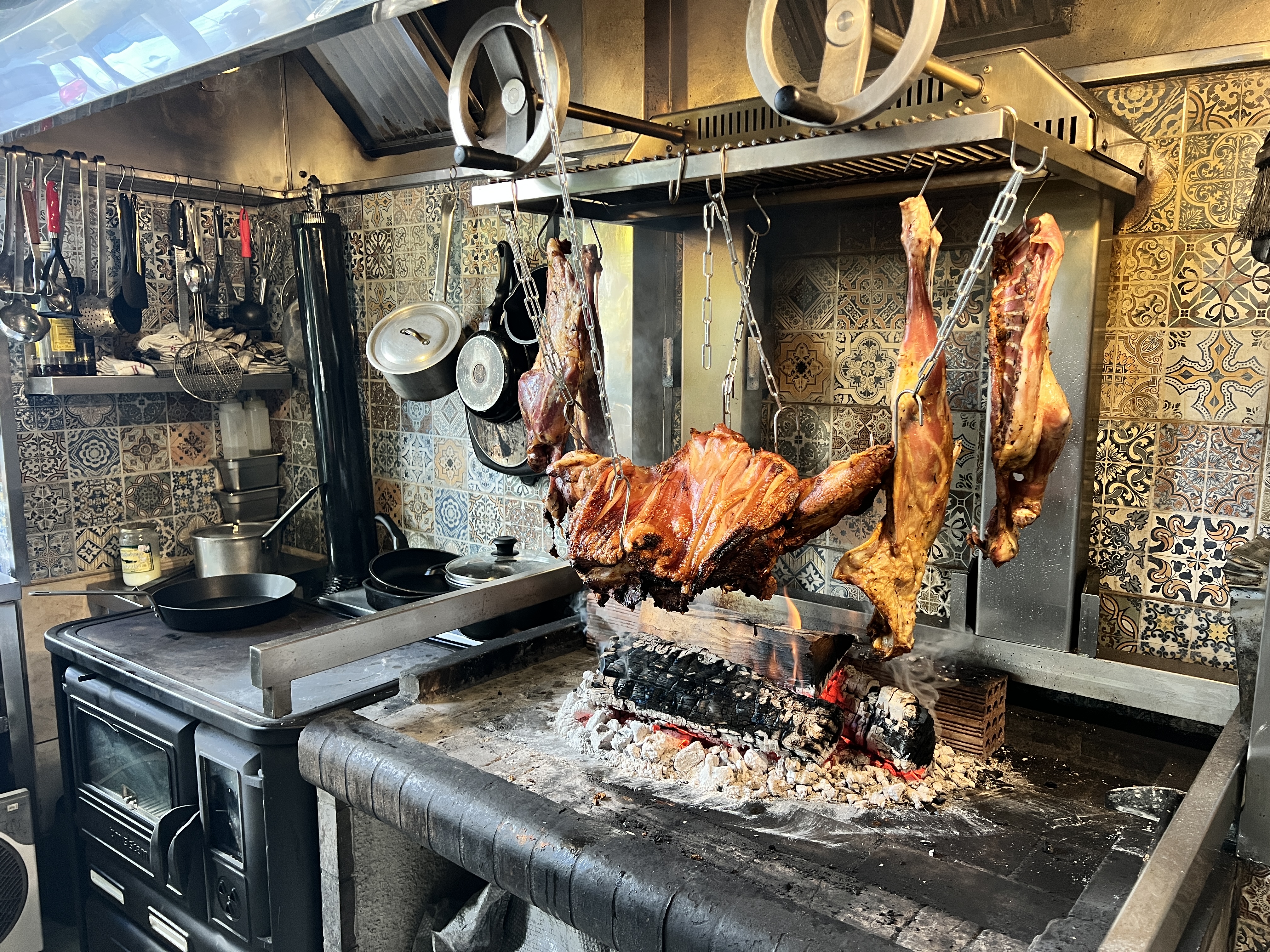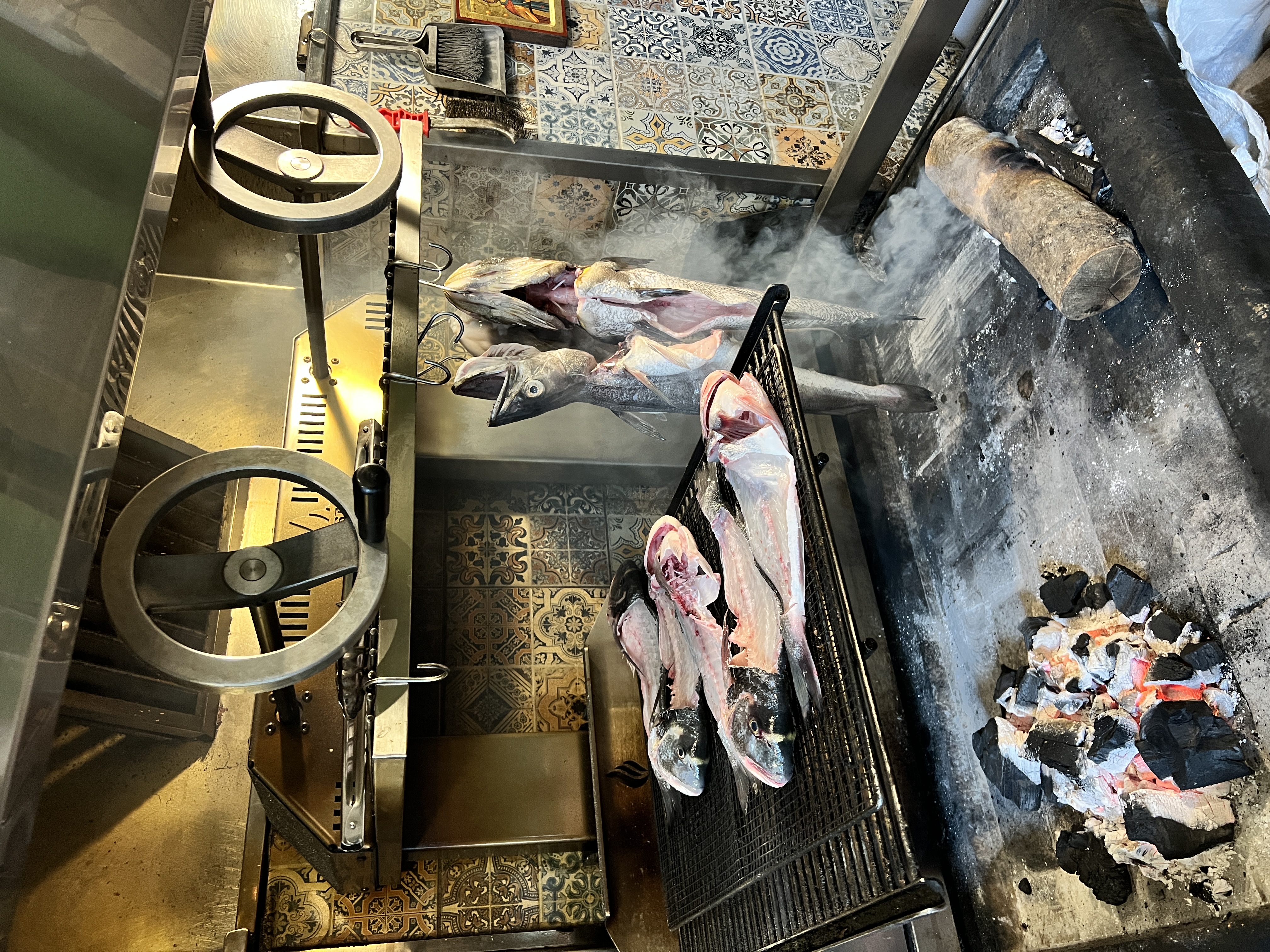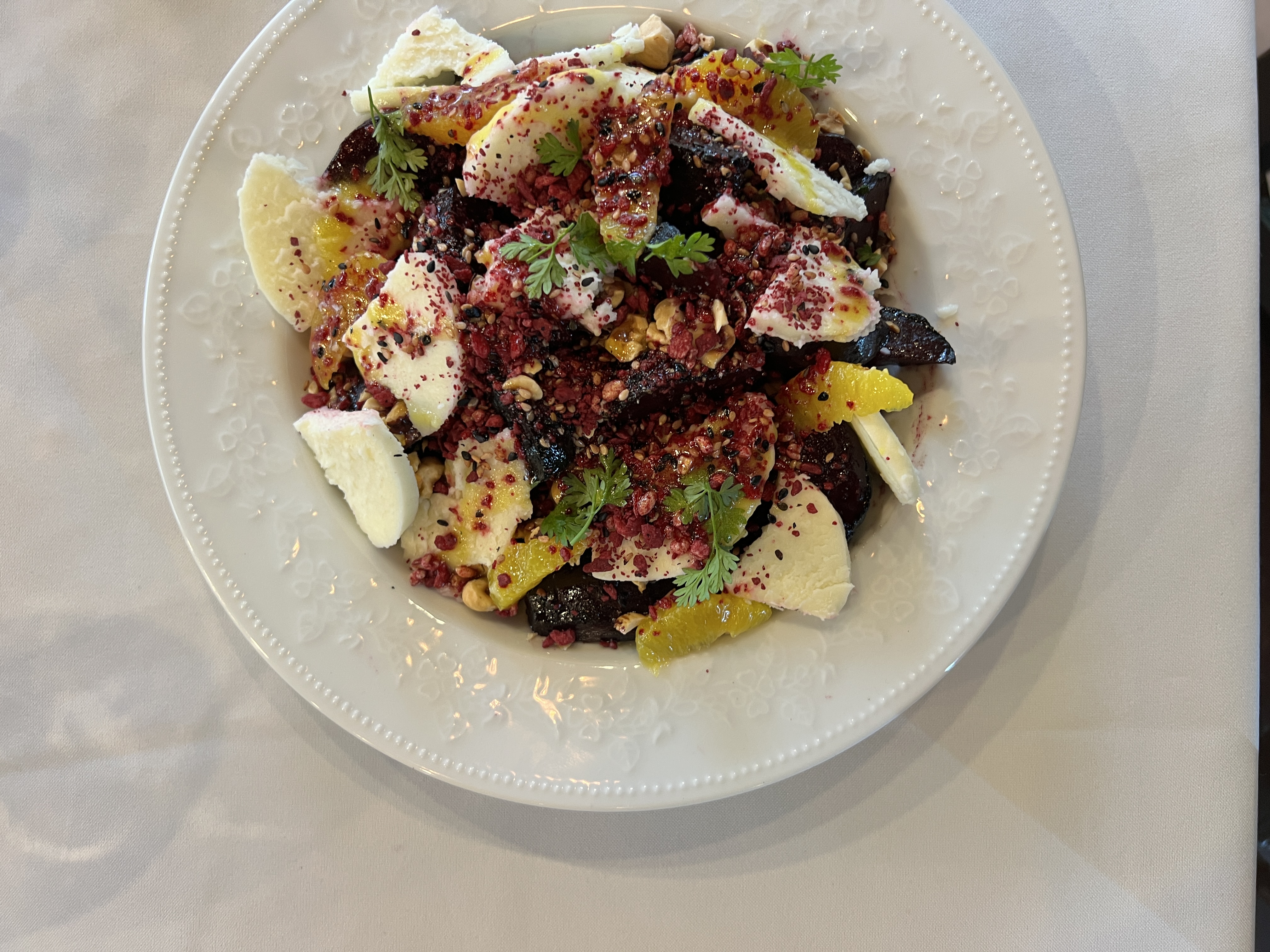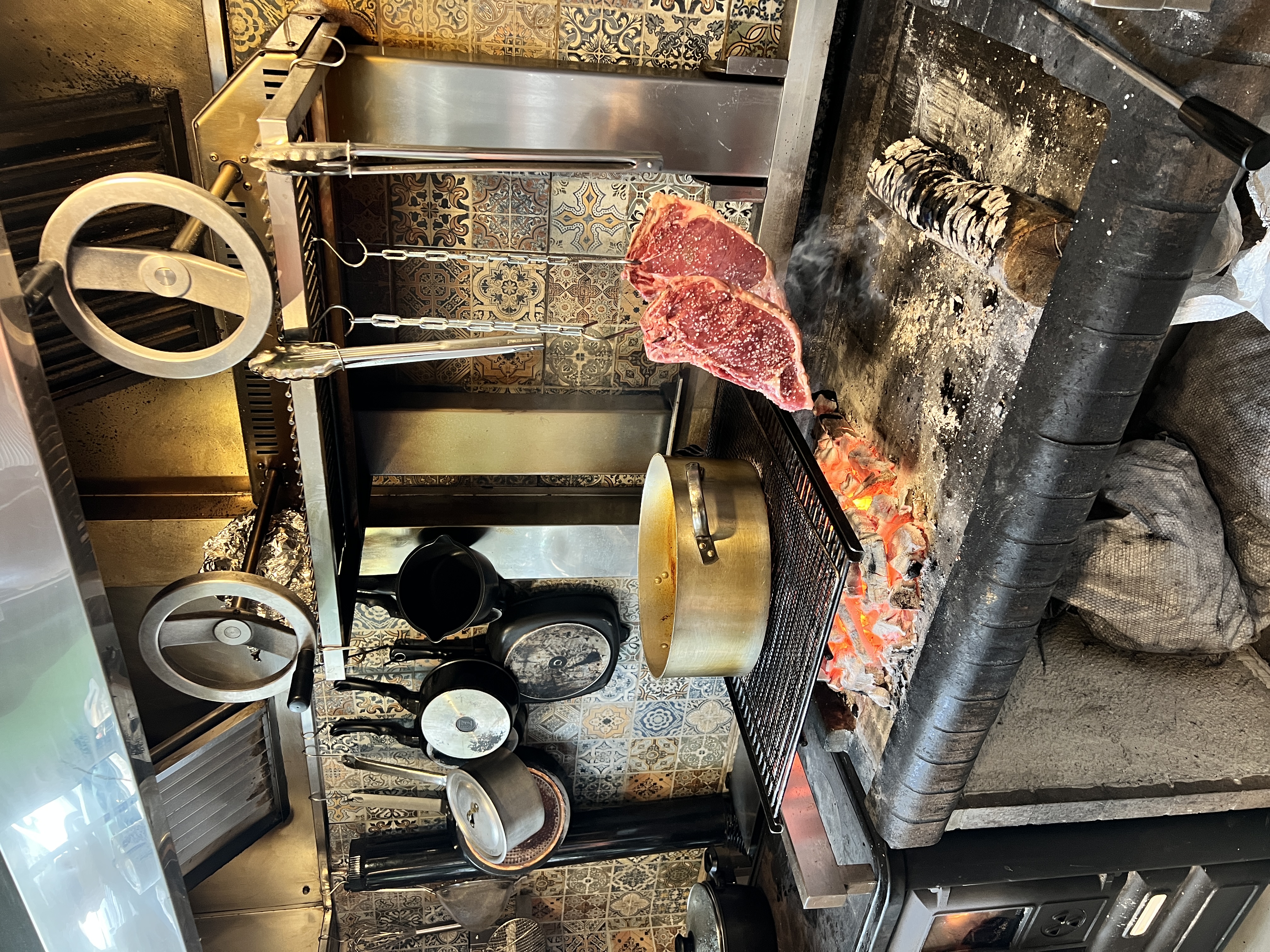
At Estiatorio Mamai, everything begins with fire. Not as a spectacle, but as a discipline — one that demands patience, focus, and respect for ingredients.
Rooted in the generosity of the Greek table and shaped by years spent in kitchens across Europe and North America, Mamai is a restaurant built on simplicity, honesty, and quiet confidence.
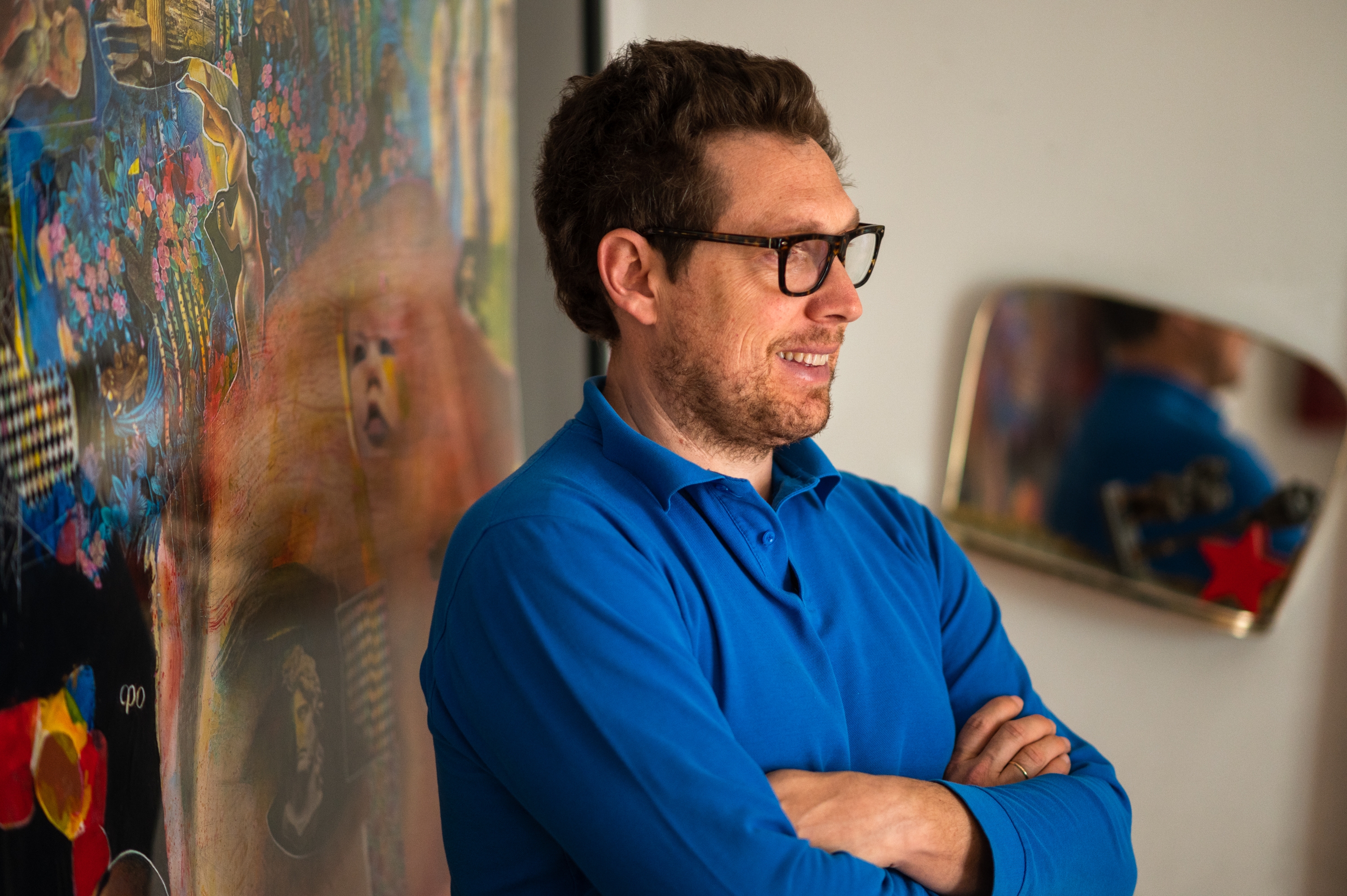
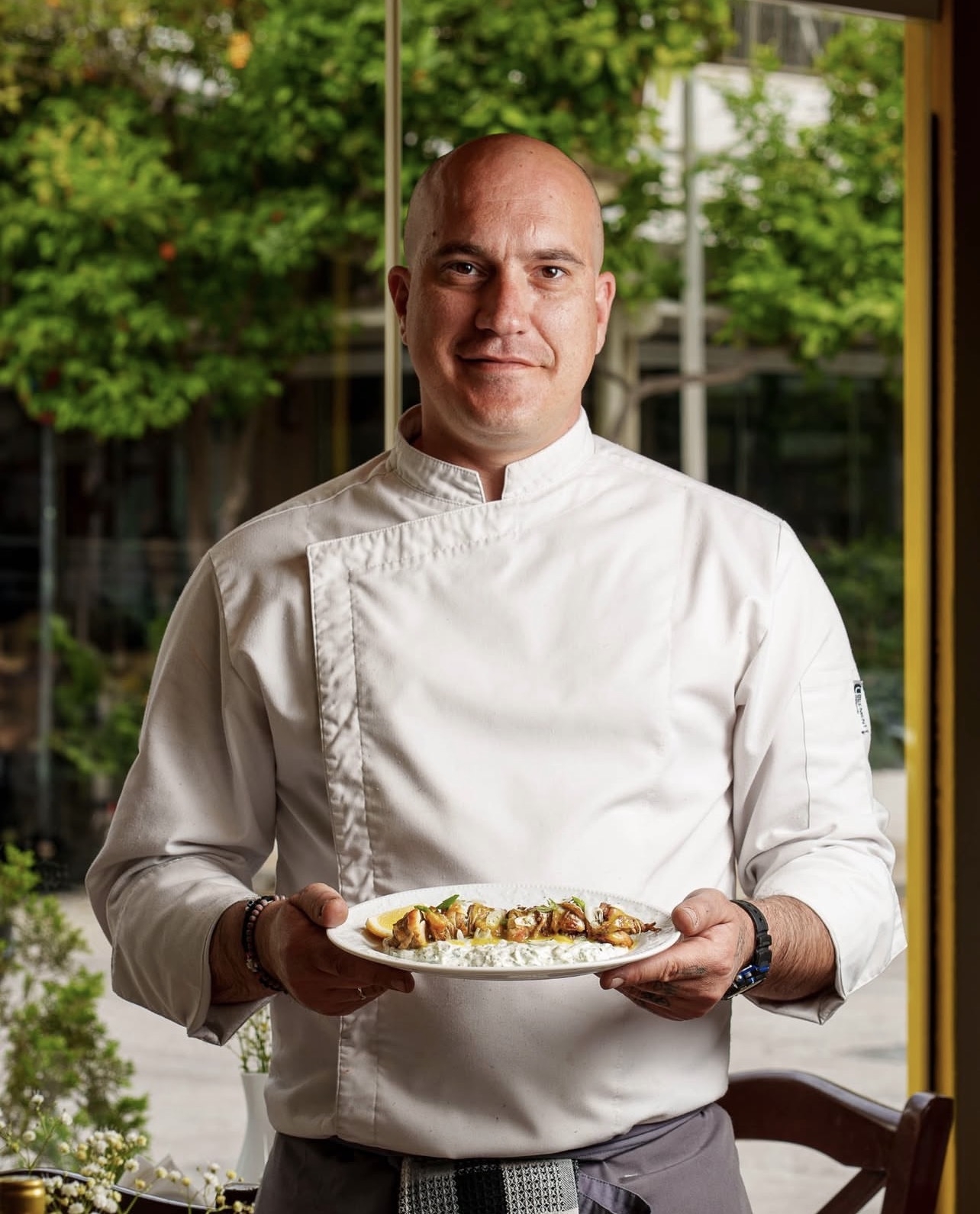
For Theodoros Mamais, chef patron and co-owner of Estiatorio Mamai, cooking is not about impressing. It is about connection. His approach honors tradition while allowing flavors to evolve naturally through technique, experience, and an unwavering respect for raw materials.
The result is food that feels deeply familiar yet thoughtfully refined — dishes meant to be shared, remembered, and felt.
Through wood fire, carefully chosen ingredients, and a restrained hand in the kitchen, Mamai offers an experience that feels less like dining out and more like being welcomed into someone’s home.
What is the philosophy behind “Mamai” Restaurant?
At Mamai, everything begins with fire. Not as a trend or a theatrical element, but as the most authentic way to cook. Wood and charcoal demand patience, attention, and respect; you can't hide behind fancy tools when you cook this way!
Our philosophy is rooted in the original Greek meal: generosity, simplicity, and food meant for sharing. We honor traditional flavors, yet we allow them to evolve naturally through technique and experience gathered from kitchens around the world.
Estiatorio Mamai is not trying to impress. It is trying to feel real. We want every guest to feel comfortable as soon as they sit down as if they’ve been invited into someone’s home, while tasting dishes prepared with the attention of a professional kitchen.
For us, great food is not complicated. It is emotional, memorable, and deeply human.
What is your favorite dish to cook, and what is the story behind it?
Rabbit ragù. My father’s recipe.
I grew up watching him cook and that dish is tied to some of my strongest memories. Even today, I can close my eyes and remember the aroma filling the house. It reminds me why food matters because it connects us to people and moments.
It also represents patience. You cannot rush a ragù, just like you cannot rush anything meaningful in the kitchen.
But ultimately, my favorite dish is always the one guests enjoy the most. Cooking is an act of giving. When someone chooses your restaurant to celebrate, relax, or simply enjoy a meal, your responsibility is to make that moment count.
Who are some of the chefs that have inspired you throughout your career?
I admire chefs who respect ingredients above everything else.
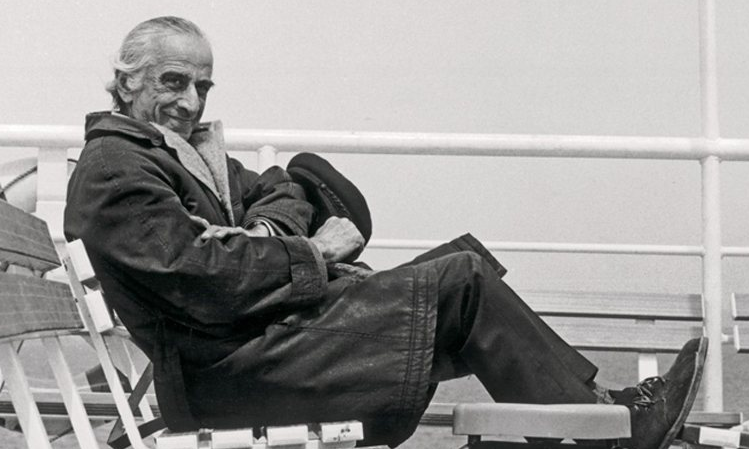
Francis Mallmann is someone I deeply look up to for his purity and the natural way he approaches food. Timoleon Diamantis has also been a major influence. His discipline and calm presence show that excellence does not need to be flashy.
But inspiration also came from the many chefs I worked alongside in Athens, England, Denmark and Toronto. Kitchens teach you humility very quickly. Talent matters, but consistency, teamwork, and work ethic matter more.
In the end, you learn something from every serious kitchen if you are willing to listen.
How do you go about selecting the best ingredients for your kitchen?
We are incredibly fortunate in Greece. Few places in the world offer such natural richness, vegetables full of flavor, exceptional olive oil, outstanding fish, beautiful cheeses and producers who still respect tradition.
When you start with ingredients like these, your job as a chef becomes clearer: interfere less.
I focus on relationships with people who care about what they produce, farmers, fishermen, small suppliers. Understanding where an ingredient comes from changes how you treat it once it enters the kitchen.
Fire is very direct. It reveals quality immediately. So choosing great ingredients is not just important, it is everything.
What is your stance on the farm-to-table movement?
In many ways, Greece has lived this philosophy for generations without needing a name for it.
Our grandparents cooked with what the land provided each season. That approach created food that was both more flavorful and more respectful to nature.
At Estiatorio Mamai, this is simply our way of thinking. We cook close to the source, we respect seasonality and we avoid excess.
It is not about following a movement, it is about staying connected to what makes food real.
Which food destination would you love to visit and why?
I have arrived at my destination: Greece.
There is a deep respect here for craft and ingredients that I find very inspiring. Our cooking shows what can happen when discipline meets simplicity.
I believe a chef should remain a lifelong student. Traveling though, exposes you to new techniques, cultures, and perspectives but more importantly, it keeps you humble.
Every cuisine has something to teach you.
What advice would you give to restaurateurs starting out today?
Be patient and build something honest.
This profession requires sacrifice, long hours, missed holidays, physical and mental endurance. If you do not truly love it, it will be very difficult to sustain.
Focus on quality from the beginning. Surround yourself with a strong team, set clear standards, and never cut corners.
Trends come and go, but authenticity lasts. Guests can always feel when a place is genuine.
How do you think sustainability practices will shape the future of cooking?
The future of cooking will be defined by responsibility.
Chefs are becoming more aware that every ingredient carries a story; it comes from the earth, the sea, the hands of someone who cultivated it. That awareness naturally leads to less waste, smarter sourcing, and greater respect.
Sustainability is not about labels or marketing. It is about daily decisions inside the kitchen.
The restaurants that understand this will not only cook better but they will help shape a more thoughtful industry.