For decades, Athens was often perceived as a gateway rather than a destination, a city visitors hurried through on their way to the Greek islands.
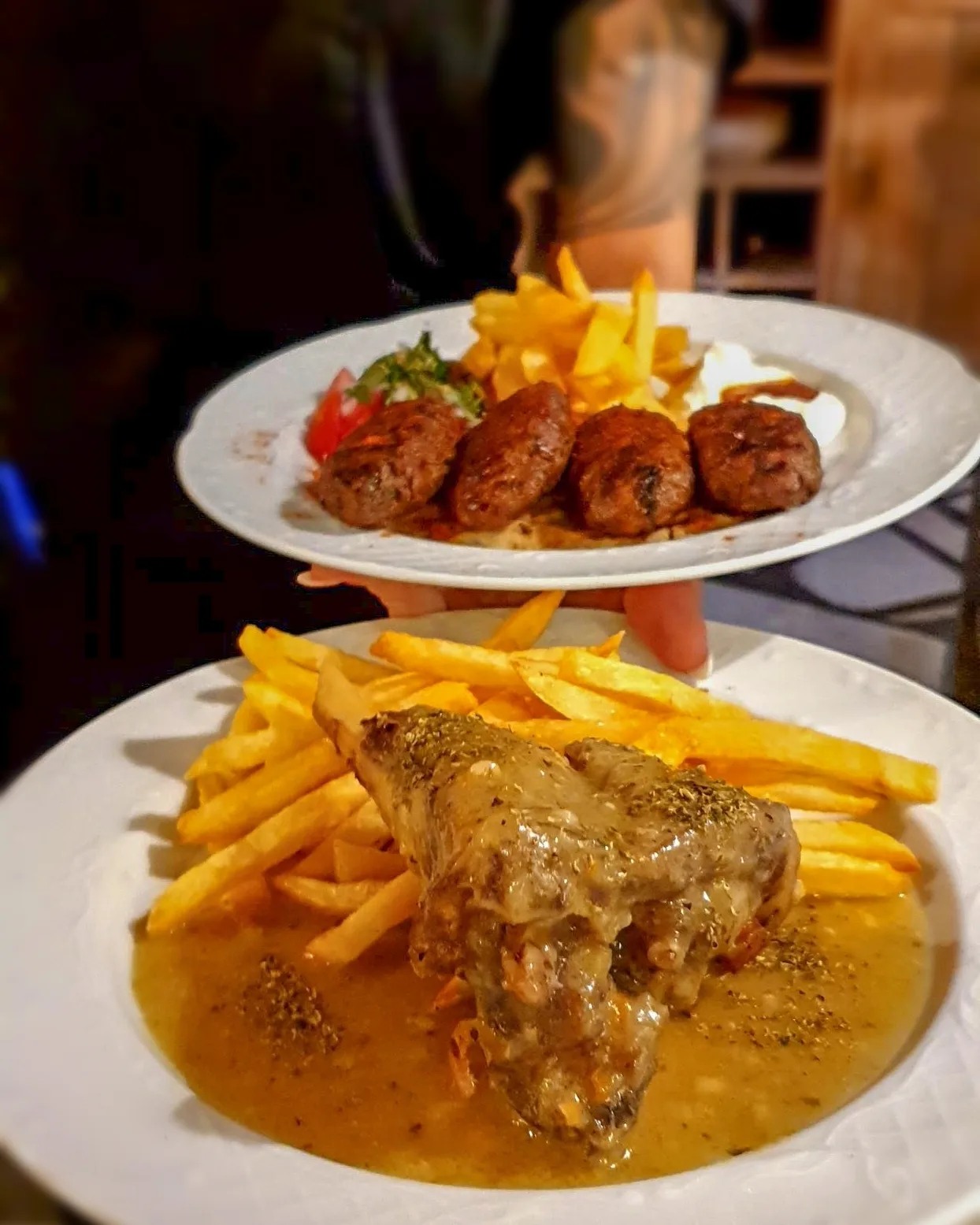
Today, that narrative has changed dramatically. At the heart of this transformation lies an unexpected cultural force: gastronomy. Greek cuisine has evolved beyond its traditional image of tavernas, grilled meats, and village recipes to become a sophisticated expression of history, sustainability, creativity, and urban identity. In doing so, it has reshaped not only how visitors experience Athens but also how Athenians understand their own city.
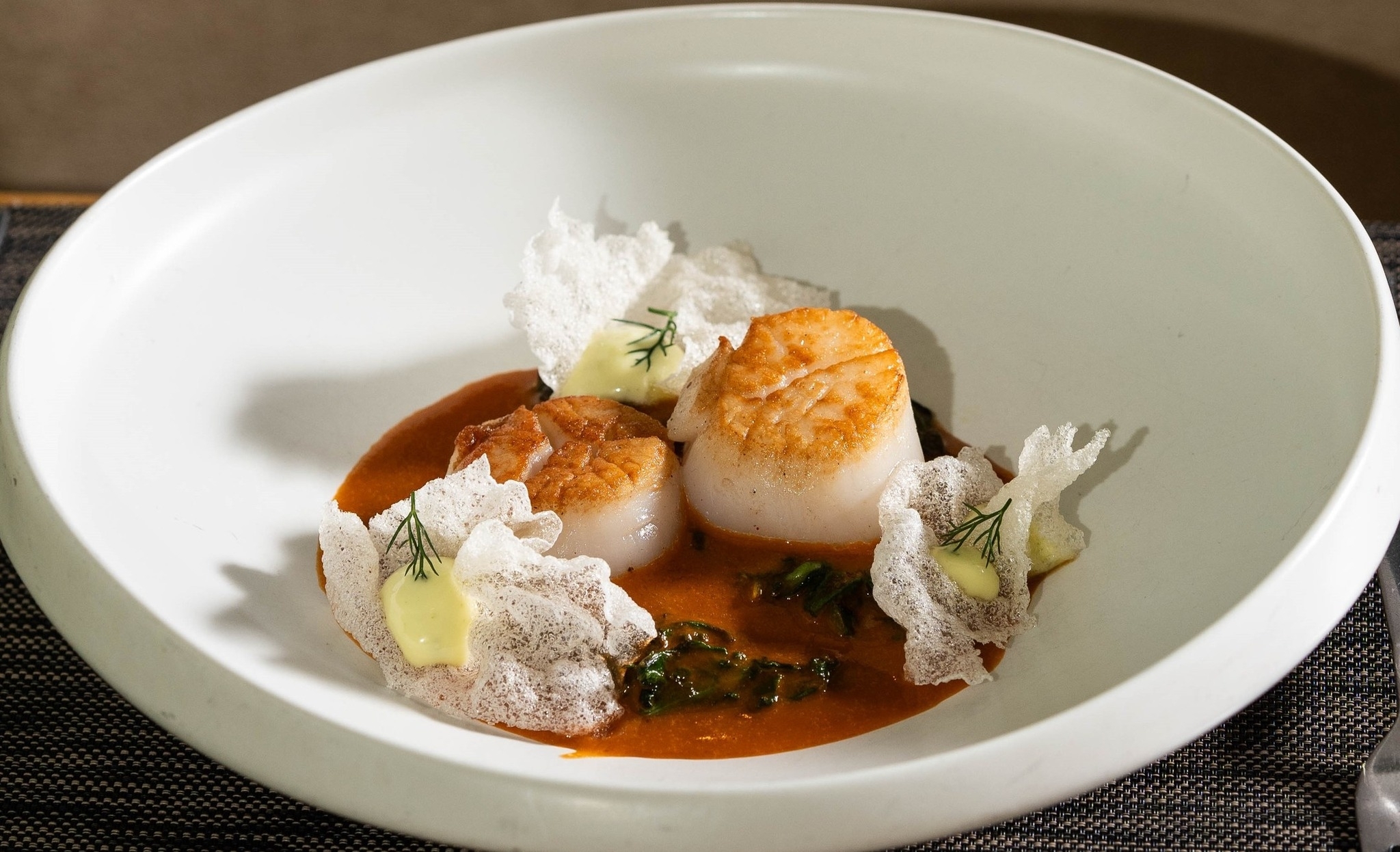
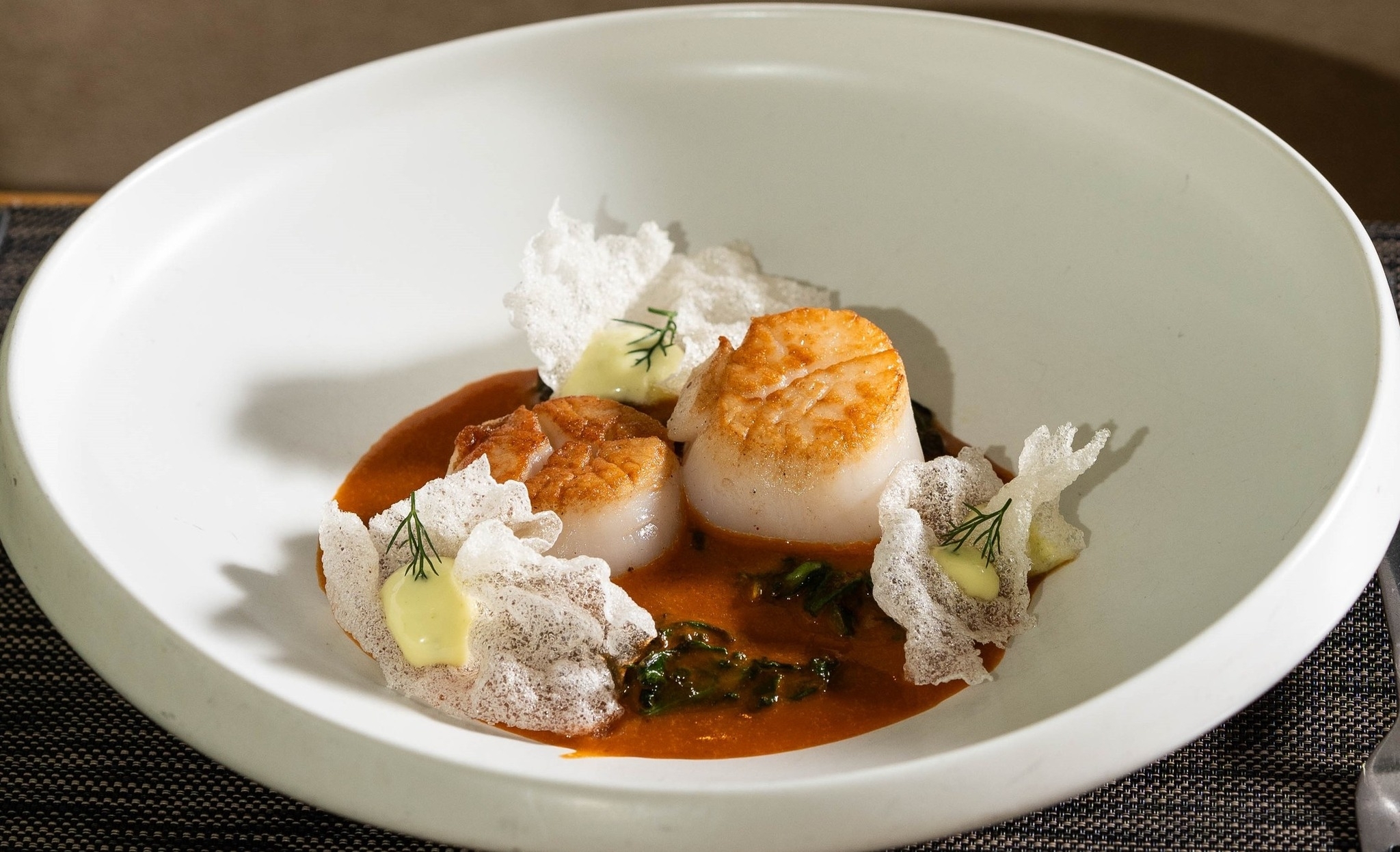
The contemporary gastronomic movement in Athens is deeply rooted in the principles of Greek culinary tradition while embracing innovation.
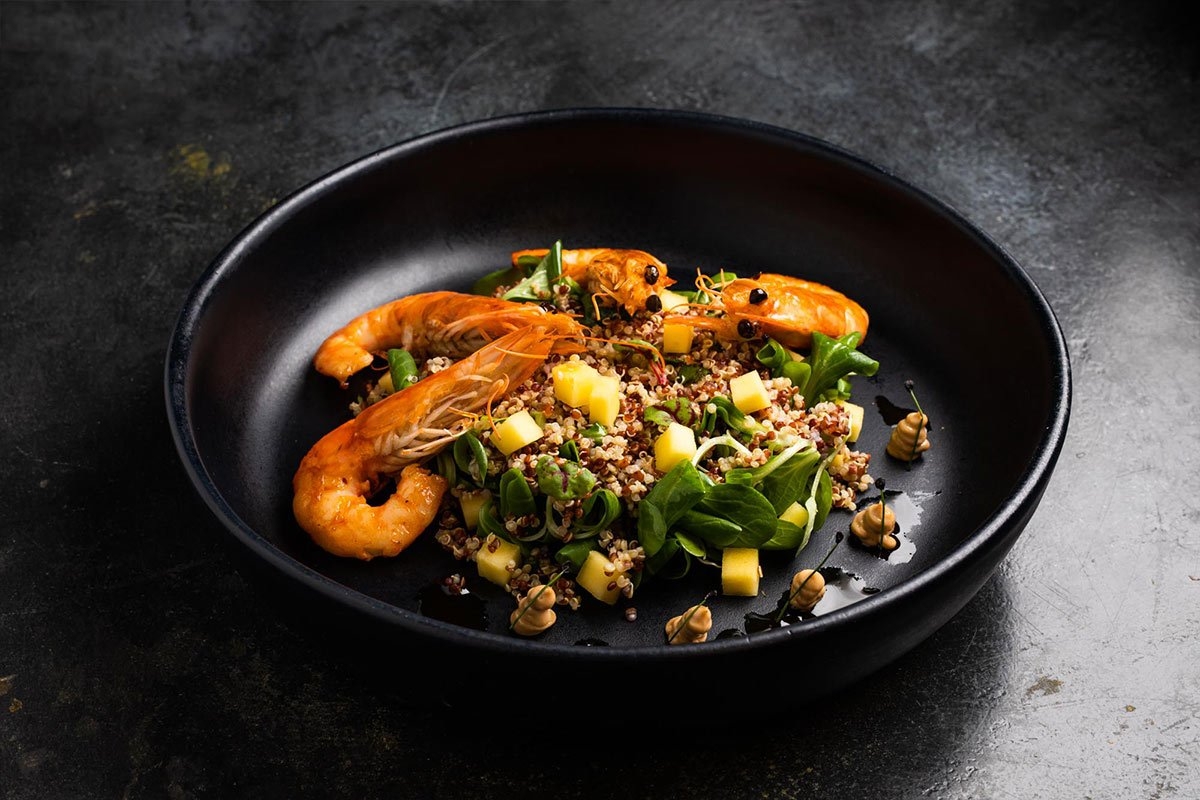
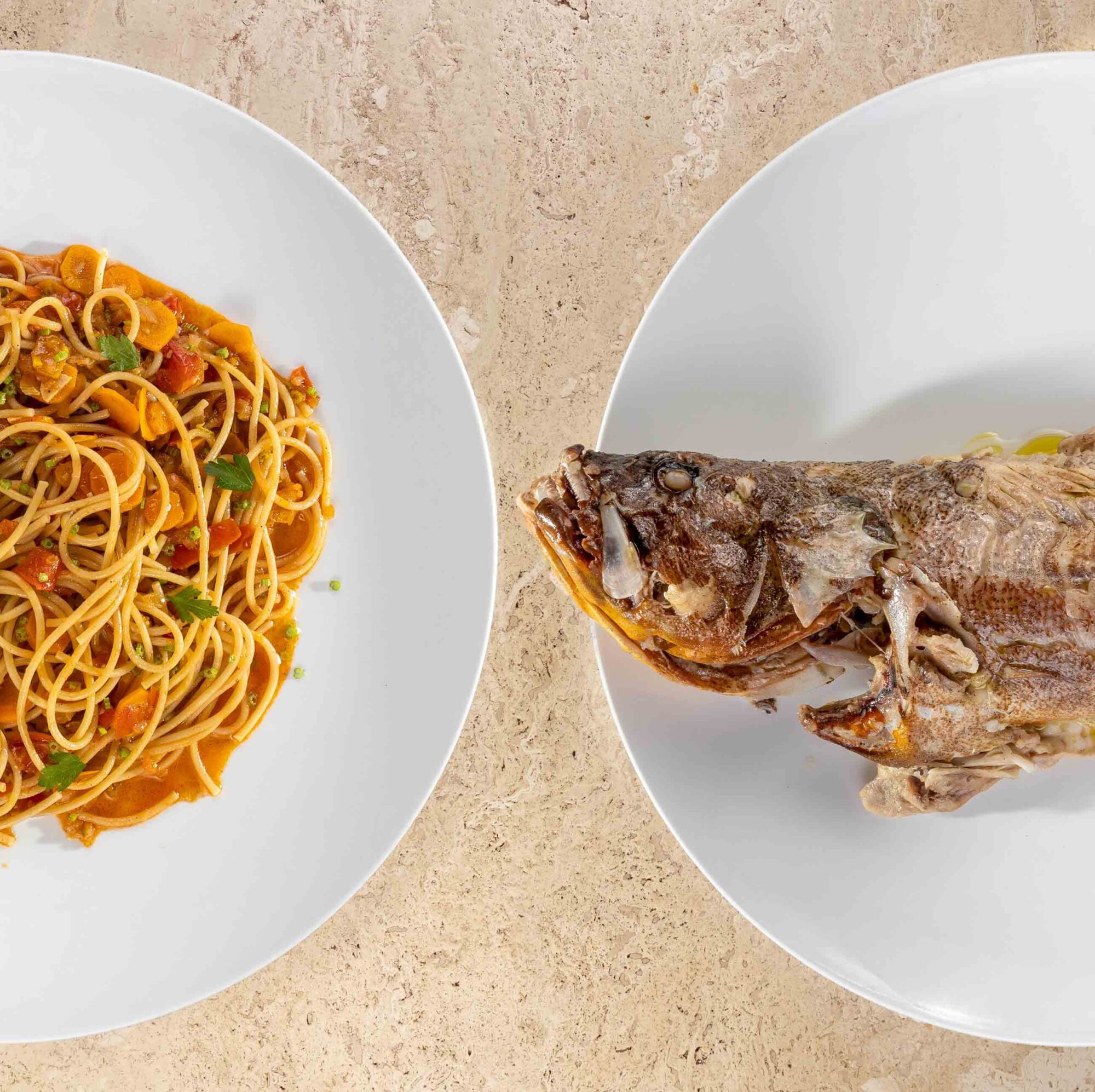
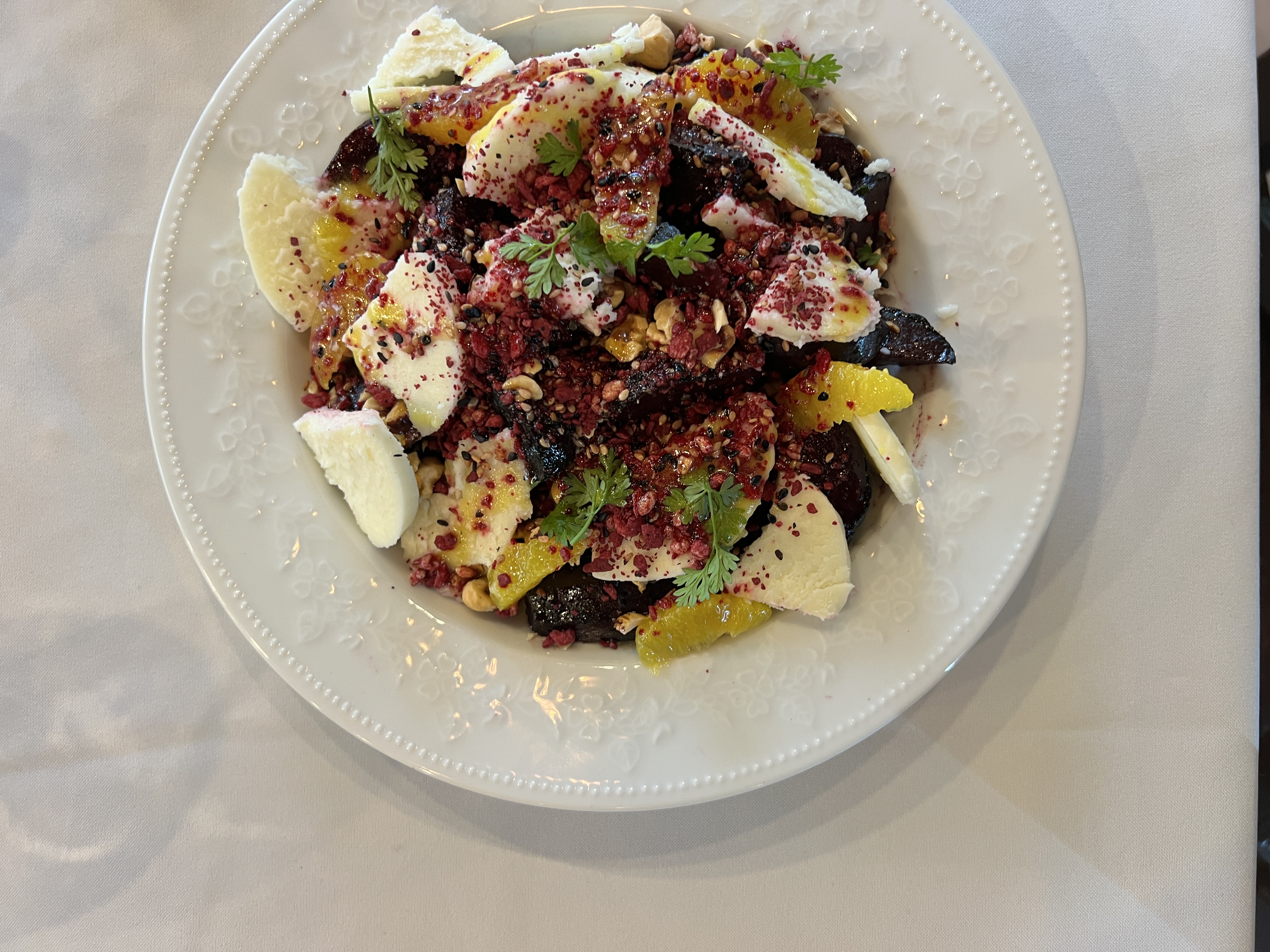
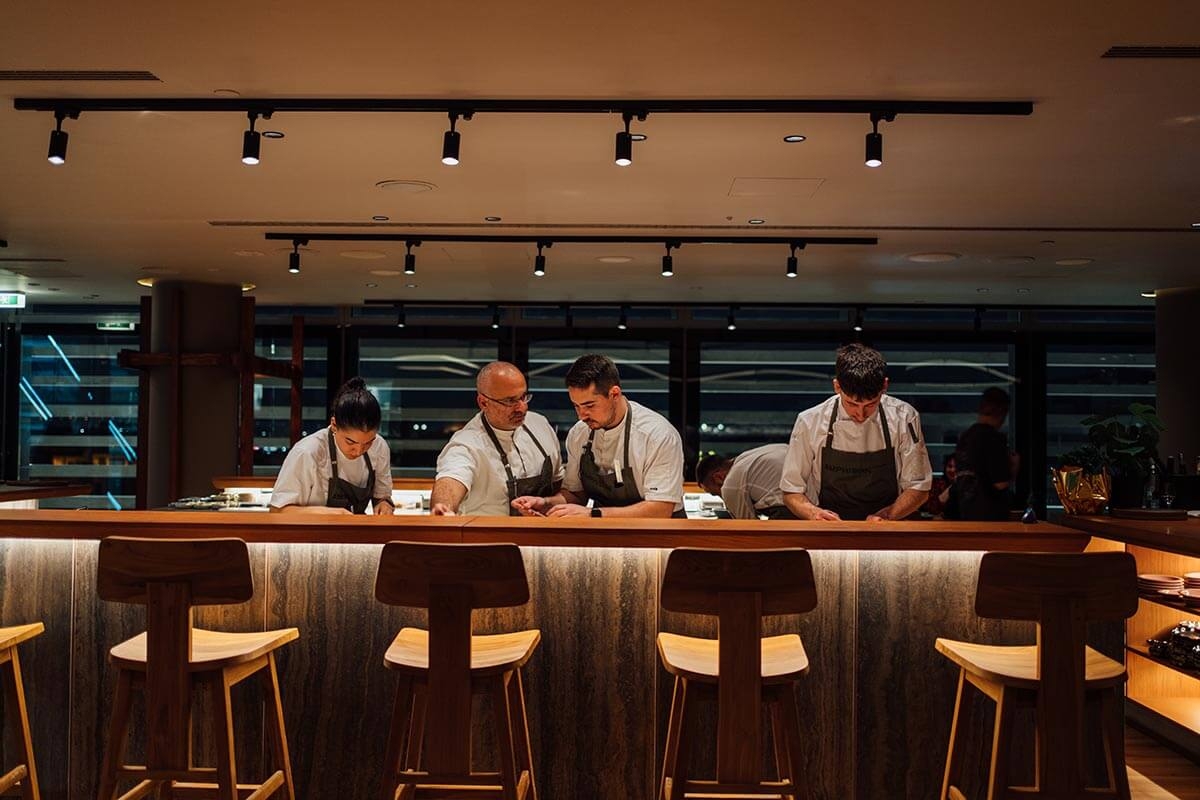
Young chefs, artisans, and producers are redefining familiar ingredients, olive oil, legumes, wild herbs, fresh seafood, seasonal vegetables, and regional cheeses, through modern techniques that respect authenticity rather than replace it. Their work reflects a broader cultural confidence: the belief that Greek cuisine deserves recognition not because it imitates international trends, but because it offers its own distinctive culinary philosophy.
This gastronomic renaissance mirrors the city's wider transformation. Following years of economic hardship, Athens has reinvented itself as a creative European capital where design, architecture, art, and food coexist in dynamic ways.
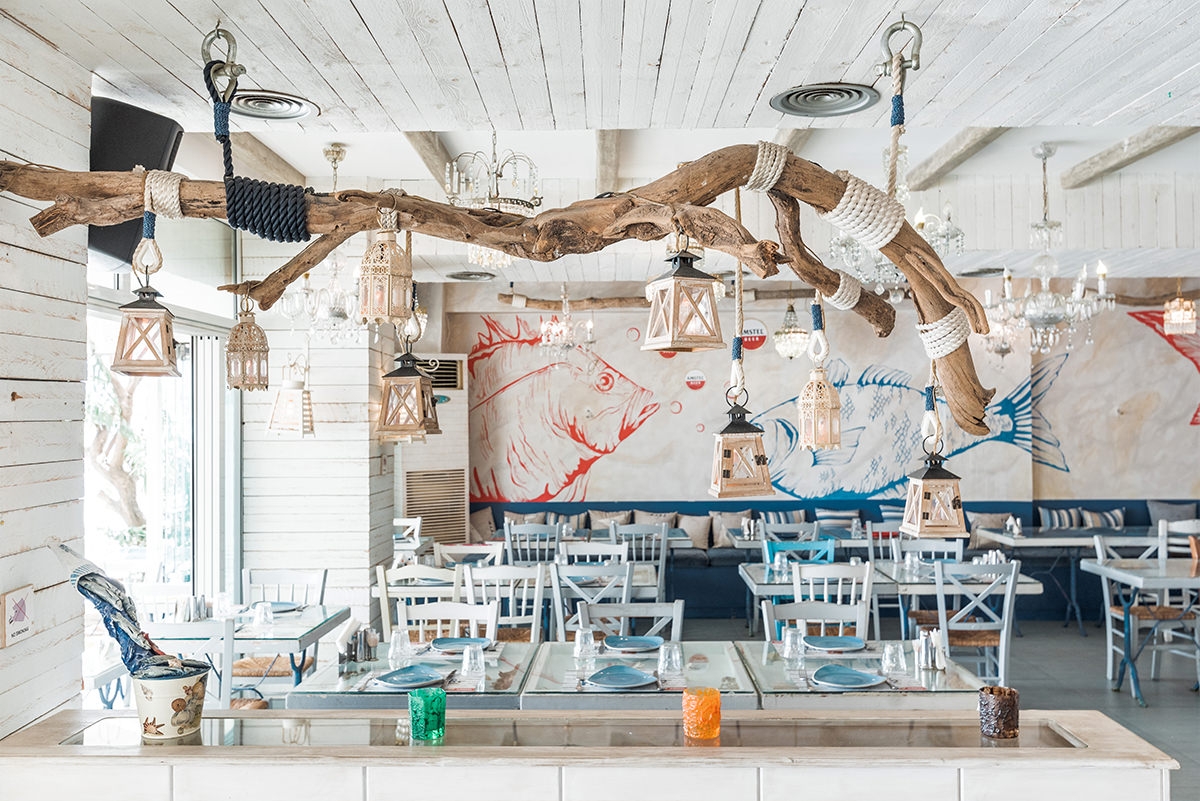
Restaurants have become cultural spaces, neighbourhoods once overlooked have emerged as culinary destinations, and local markets continue to connect contemporary chefs with centuries-old agricultural traditions.
Food has become one of the city's most accessible forms of storytelling.
What distinguishes Athens from many other food capitals is the relationship between cuisine and place. A meal in the city is rarely confined to the plate. Rooftop restaurants frame the Acropolis as a living backdrop, neighbourhood tavernas preserve family recipes passed through generations, while experimental kitchens reinterpret the flavours of the Aegean and the Greek mainland for an international audience. Every dining experience becomes an encounter with history, geography, and memory.
The rise of gastronomy has also influenced tourism itself. Increasingly, visitors travel to Athens not simply to admire its archaeological heritage but to explore its culinary landscape. Food tours, wine tastings, artisan bakeries, specialty coffee roasters, and contemporary restaurants have become essential elements of the visitor experience. Gastronomy has extended the city's appeal beyond classical antiquity, presenting Athens as a vibrant, living metropolis rather than an open-air museum.
Equally significant is the renewed appreciation of local producers. Across Greece, small-scale farmers, cheesemakers, winemakers, fishermen, and olive oil producers have become central to the narrative of quality. Their products embody biodiversity, seasonality, and regional identity, allowing Athens to serve as a showcase for the country's rich agricultural heritage. The city's restaurants increasingly function as ambassadors for landscapes far beyond the capital, connecting urban consumers with rural communities.
This evolution reflects broader global trends. Modern diners increasingly seek authenticity, sustainability, traceability, and meaningful cultural experiences. Greek gastronomy naturally aligns with these values.
The Mediterranean emphasis on seasonal ingredients, communal dining, and simplicity resonates strongly with contemporary audiences looking for food that is both environmentally conscious and emotionally satisfying.
Perhaps the greatest achievement of Athens' gastronomic renaissance is that it has altered perception without abandoning identity. Rather than reinventing itself through spectacle, the city has rediscovered the value of its own culinary heritage.
Innovation emerges not from rejecting tradition but from understanding it more deeply.
Today, Athens is no longer defined solely by the Parthenon or its ancient past. Its identity is equally expressed through bustling markets, contemporary kitchens, neighbourhood cafés, family-run tavernas, and the people who continue to reinterpret Greek cuisine for a new generation.
Gastronomy has become one of the city's most persuasive cultural languages—one that communicates hospitality, resilience, creativity, and authenticity.
In many ways, the story of modern Athens can be told through its food. Every carefully sourced ingredient, every reinvented traditional recipe, and every shared table reflects a city that honours its past while confidently shaping its future.
Greek gastronomy has become more than a culinary movement; it has become a defining element of Athens' contemporary identity and one of the strongest reasons why the city now stands among Europe's most compelling cultural destinations.