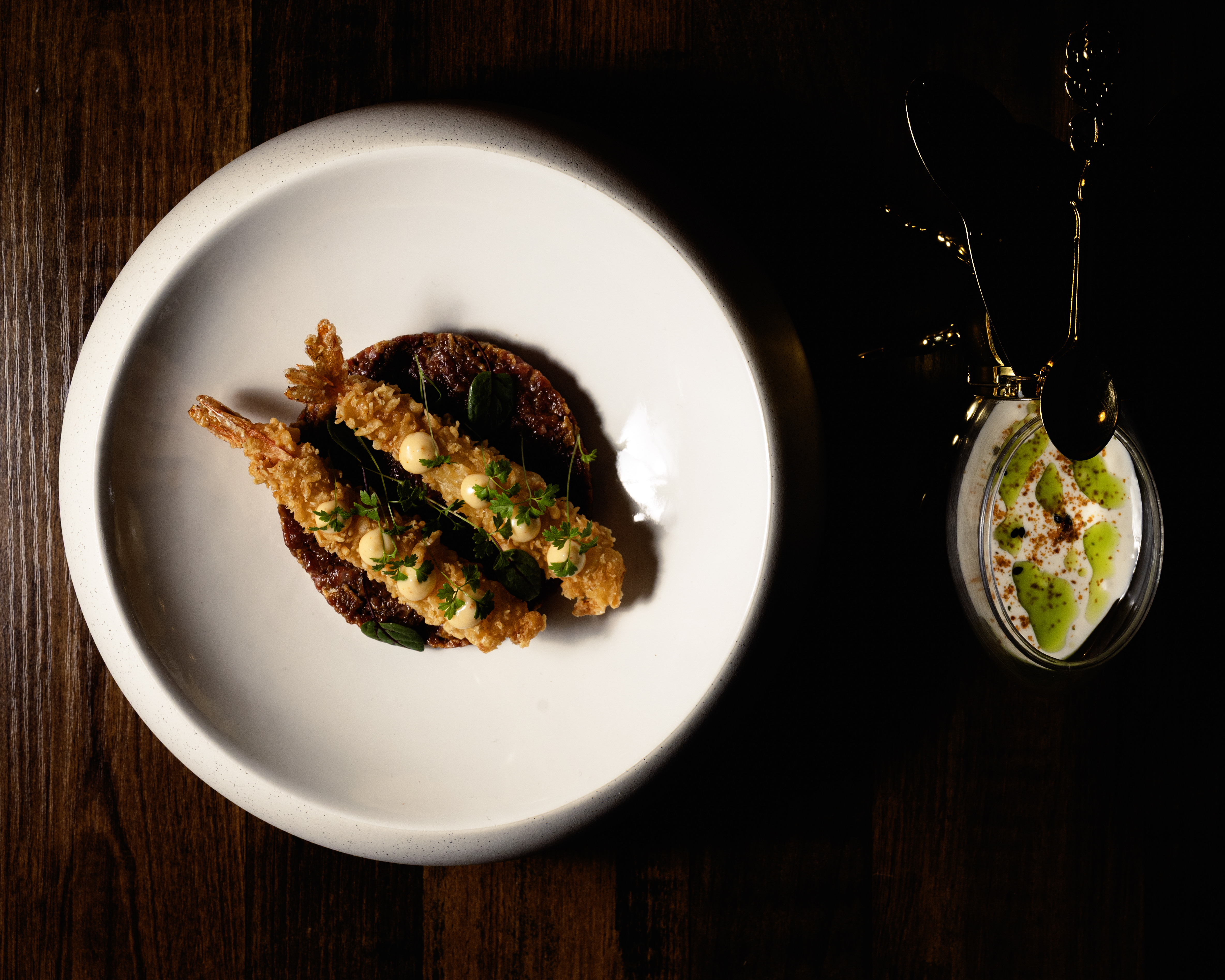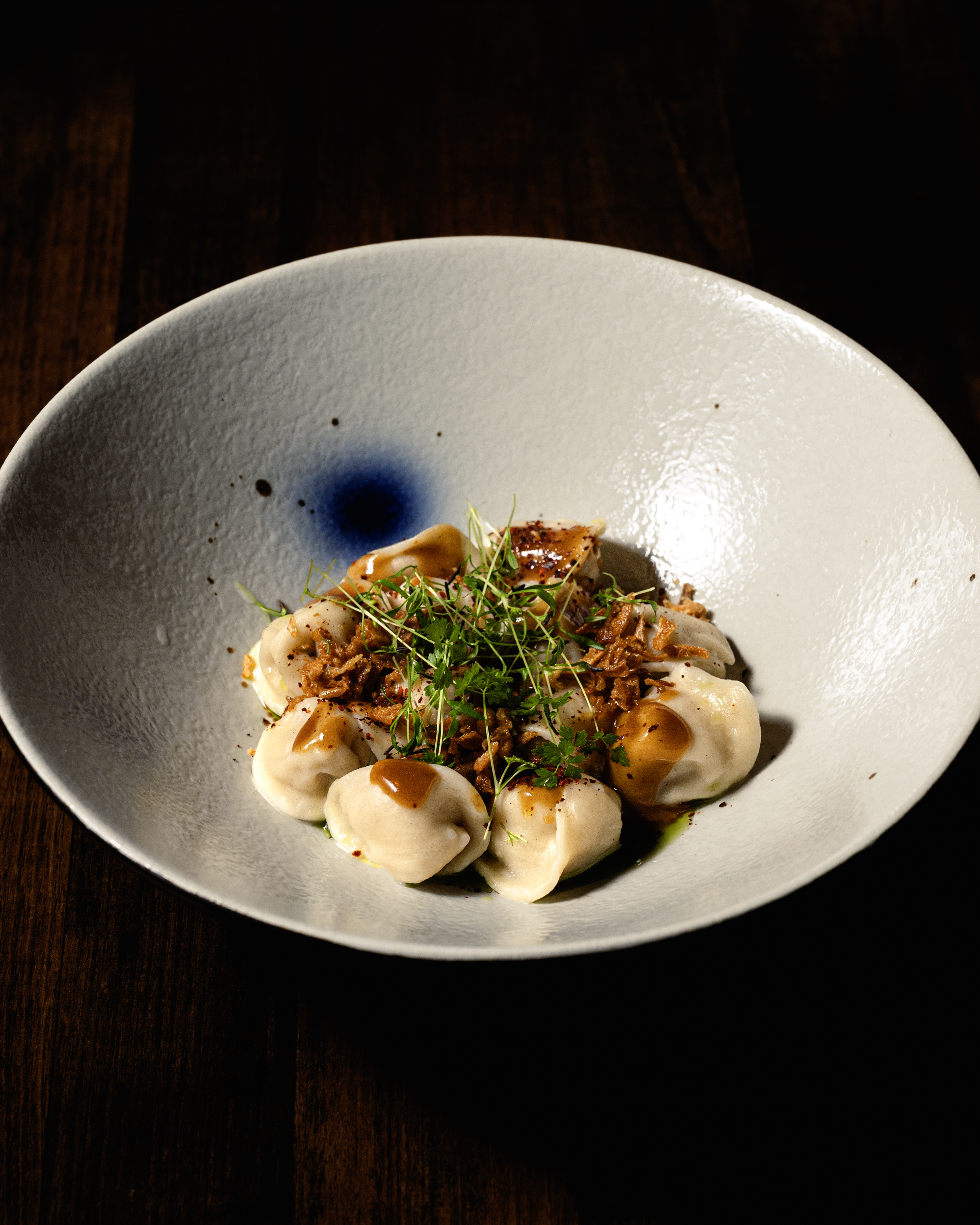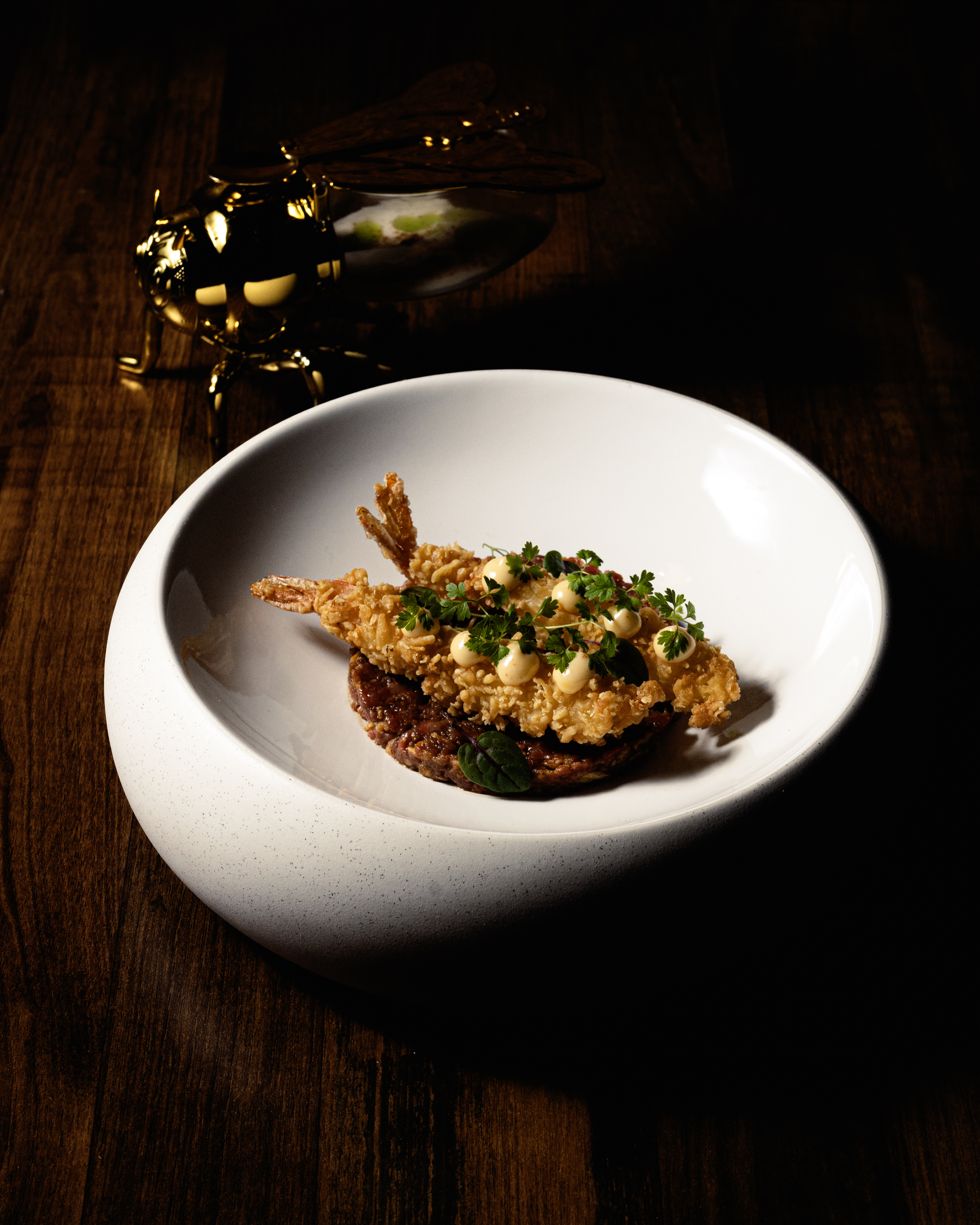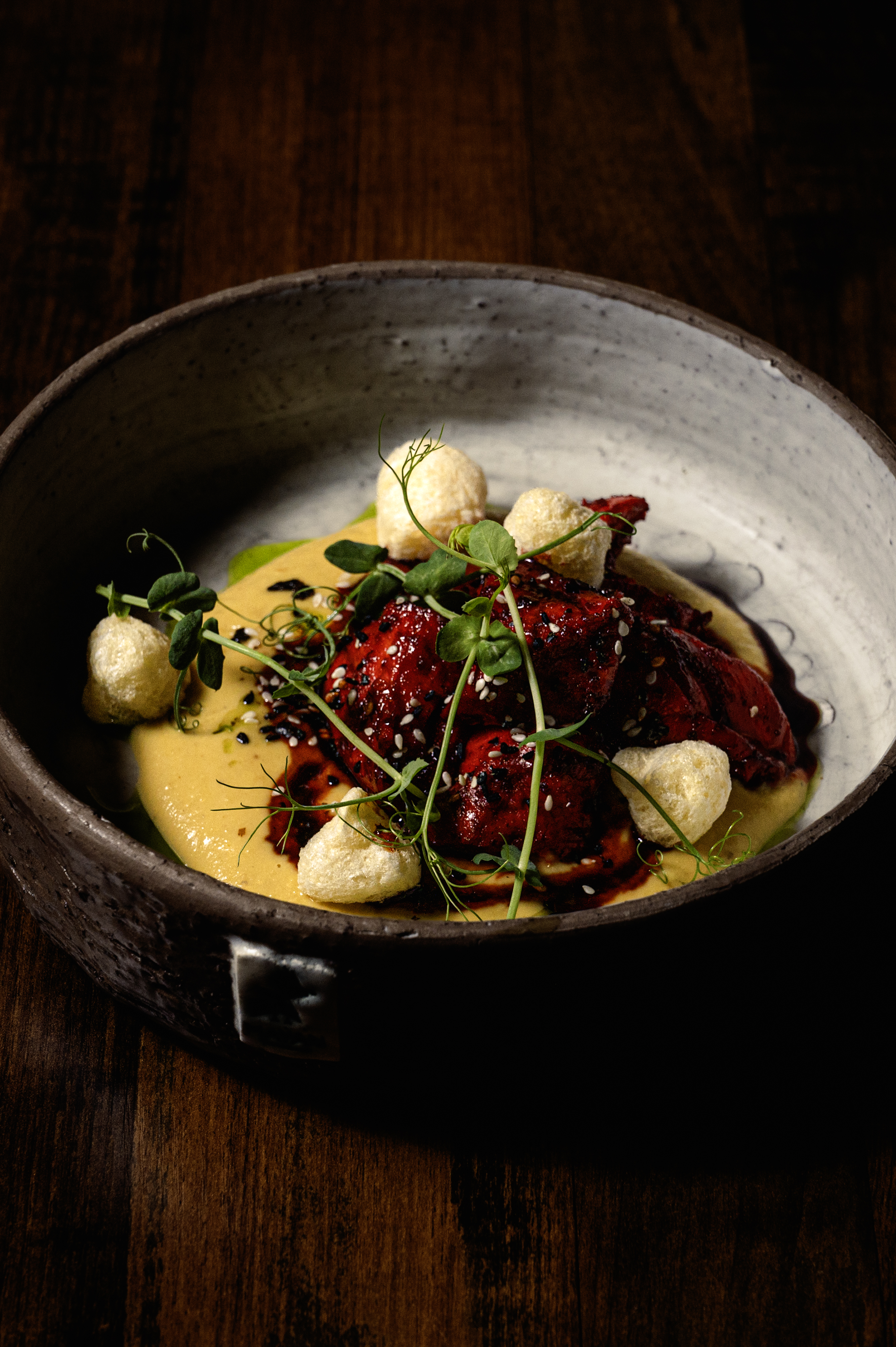
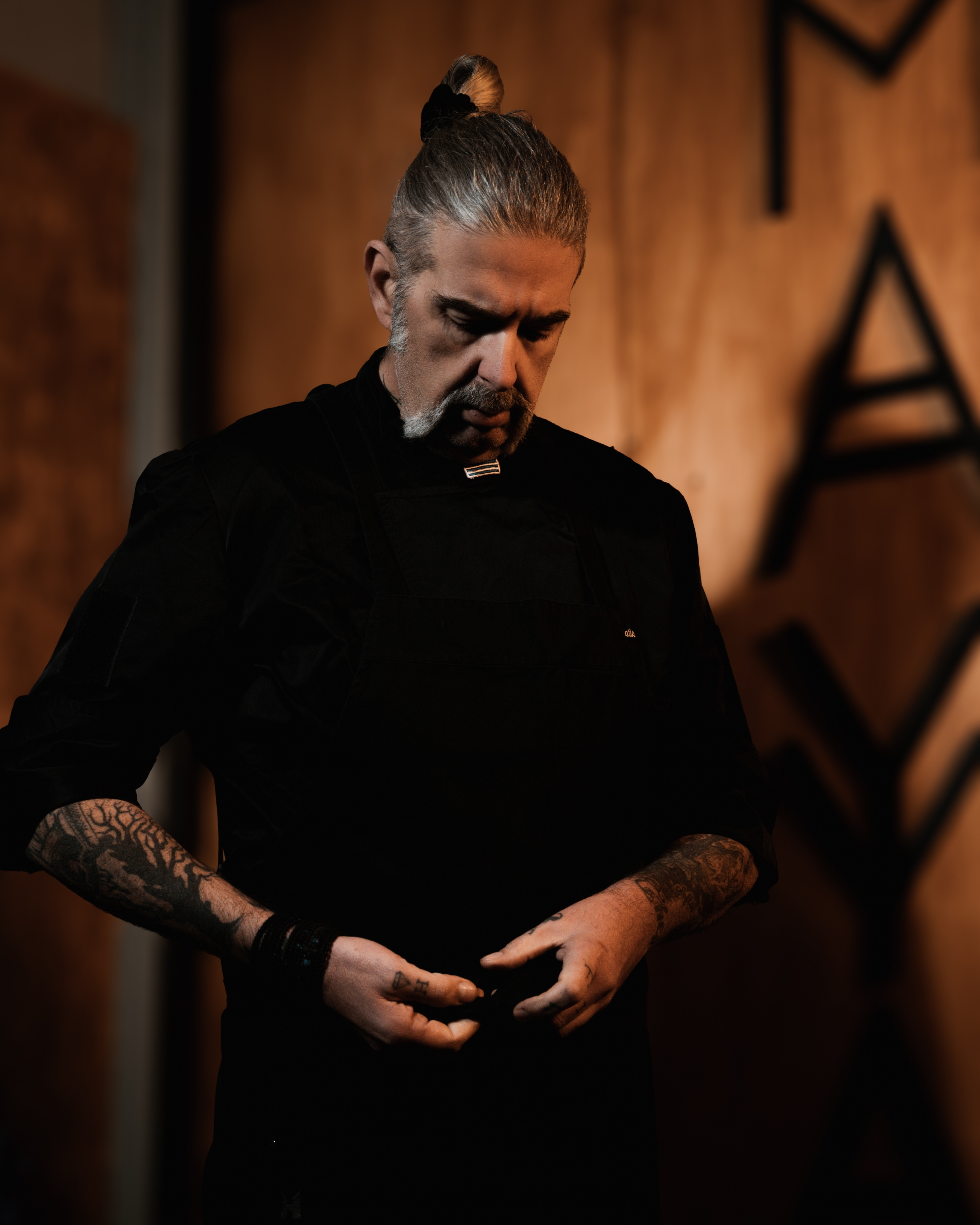
For Stamatis Tsilias, the kitchen is a place of focus, discipline, and honesty, a place where technique, respect for ingredients, and emotional clarity come together on the plate.
Shaped by the precision of Japanese cuisine and the intensity and soul of Peruvian flavors, his cooking is defined by balance, restraint, and intention.
Each dish reflects a deep commitment to simplicity, quality, and consistency, allowing ingredients to speak without distraction.
More than a role, being a Head Chef is a daily commitment to leadership, presence, and authenticity.
Through calm execution and thoughtful creativity, he aims to offer guests something lasting.
An experience that goes beyond the meal and stays with them long after the plate is cleared.
Why did you decide to pursue a career as a head chef ?
I chose this path because cooking has always been the way I understand myself and the world around me.
Becoming a Head Chef wasn’t about titles or recognition. It was about taking full responsibility for what I create, every single day.
I wanted the freedom to cook honestly, to work with respect for the ingredients, and to offer people something real — something that stays with them beyond the meal. The role allows me to be present, focused, and true to my values, even when the work is demanding.
For me, being a Head Chef is not a position. It’s a commitment.
Tell us about yourself and your culinary journey.
My journey in the kitchen began as a need rather than a plan. Cooking became a place of focus, structure, and honesty for me. I learned through long hours, repetition, and silence, allowing the work itself to shape who I am.
Japanese cuisine taught me discipline, precision, and respect. Peruvian cuisine showed me how food can carry emotion, contrast, and intensity. Between these two influences, I found a language that feels true to me.
I cook to create something real. Not to impress, but to connect. My journey continues, guided by curiosity, responsibility, and a deep respect for the craft.
How do you handle the pressure of a busy kitchen?
I don’t fight pressure, I accept it. A busy kitchen demands clarity, not emotion. When things get intense, I focus on rhythm, preparation, and small decisions done correctly.
Pressure becomes manageable when the process is respected. If the mise en place is right and communication stays calm, the kitchen finds its balance again.
I believe leadership in those moments is about stability, staying present, setting the tone, and allowing the team and the food to move forward without panic.
For me, pressure is part of the craft. It sharpens focus and reveals character.
How do you ensure consistency in your dishes and food quality?
Consistency comes from discipline and respect for fundamentals. Every dish is built on clear techniques, precise preparation, and a deep understanding of the ingredients. I focus heavily on mise en place, repetition, and attention to detail.
I believe quality is protected through simplicity. When a dish is clear in its intention, it becomes easier to execute it correctly, again and again. Regular tasting, strict standards, and a calm, focused kitchen environment ensure that every plate reflects the same level of care.
What is your signature dish, and how does it reflect your cooking style?
My signature dish is ceviche. For me, it represents balance, restraint, and intensity, the core of my cooking style. The dish relies on precision rather than excess, where freshness, acidity, and texture must exist in perfect harmony.
Japanese technique brings control, knife work, and respect for the fish, while Peruvian influence adds brightness, contrast, and emotional energy. Every element has a purpose, and nothing is there to distract.
Ceviche reflects how I cook: focused, intentional, and expressive through simplicity.
Which chefs have influenced your style the most?
Virgilio Martínez and Rodolfo Guzmán have shaped the way I approach cooking. Martínez inspires me with his ability to create emotional depth through simplicity, connecting each ingredient to its origin and story.
Guzmán influences me through his creativity and bold interpretation of nature, showing how daring ideas can remain authentic and grounded.
Together, their philosophies guide my own style, precise, intentional, and expressive, balancing control with imagination.
How do you keep up with the latest food trends?
I don’t focus on trends. My priority is creating food that is honest, intentional, and rooted in technique and flavor. I observe what’s happening in the culinary world, not to follow it, but to learn, challenge myself, and refine my own approach.
For me, consistency, respect for ingredients, and clarity in execution are more important than chasing the latest fad. I let my cooking evolve naturally, guided by curiosity and discipline, rather than by trends.
Describe your experience in menu development and curation.
My experience in menu development is built on clarity and intention. I approach each menu as a complete narrative, where every dish has a purpose and a place. Balance, flow, and contrast are essential, not just in flavors, but in the overall experience of the guest.
Curation, for me, means knowing what to include and what to leave out. I focus on seasonality, technique, and emotional impact, refining dishes until the menu feels coherent, focused, and honest.
The goal is always the same: a menu that evolves naturally while remaining true to its identity.
Tsilias Stamatios
Maitre Rotisseur
Mayan’s Chef Patron