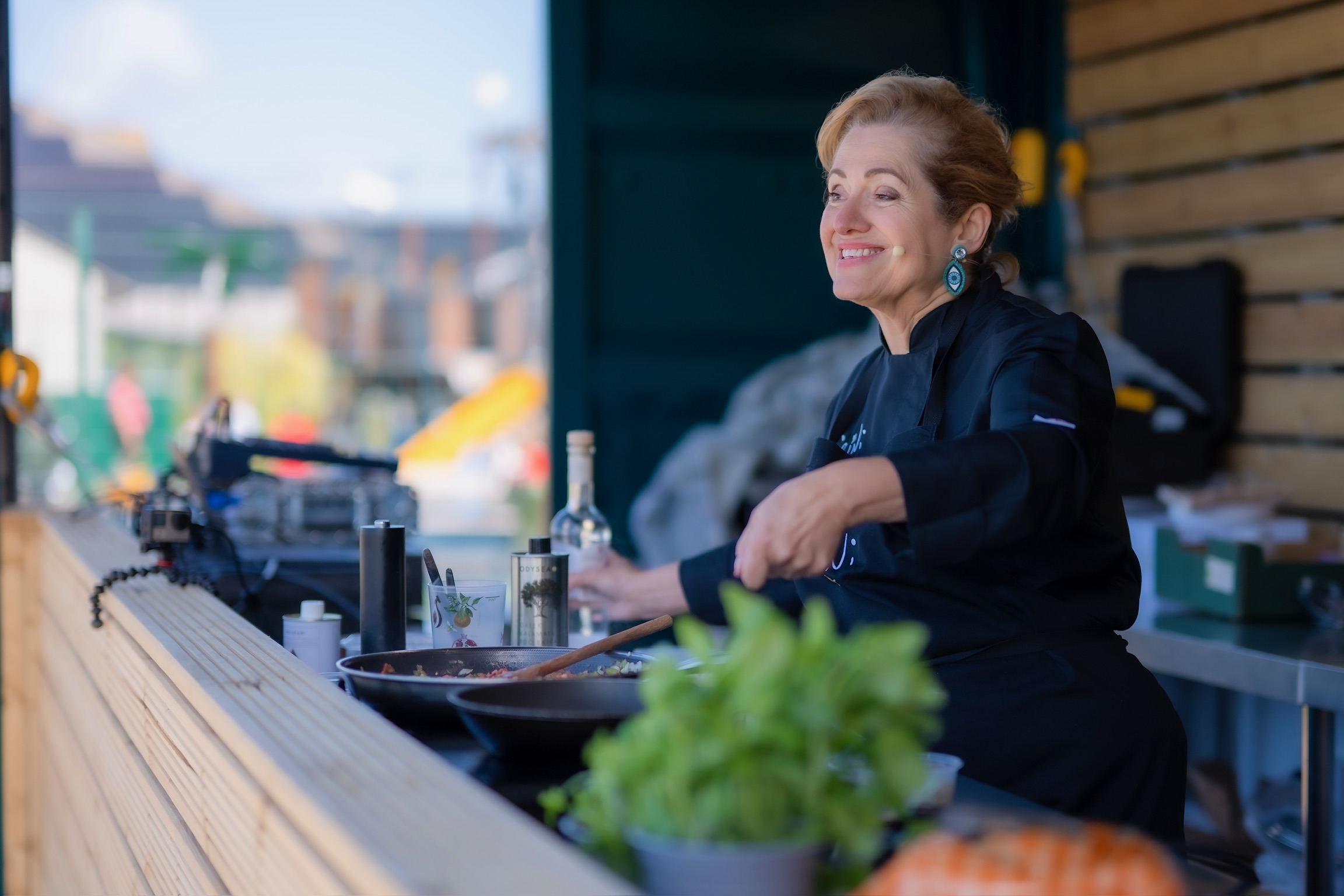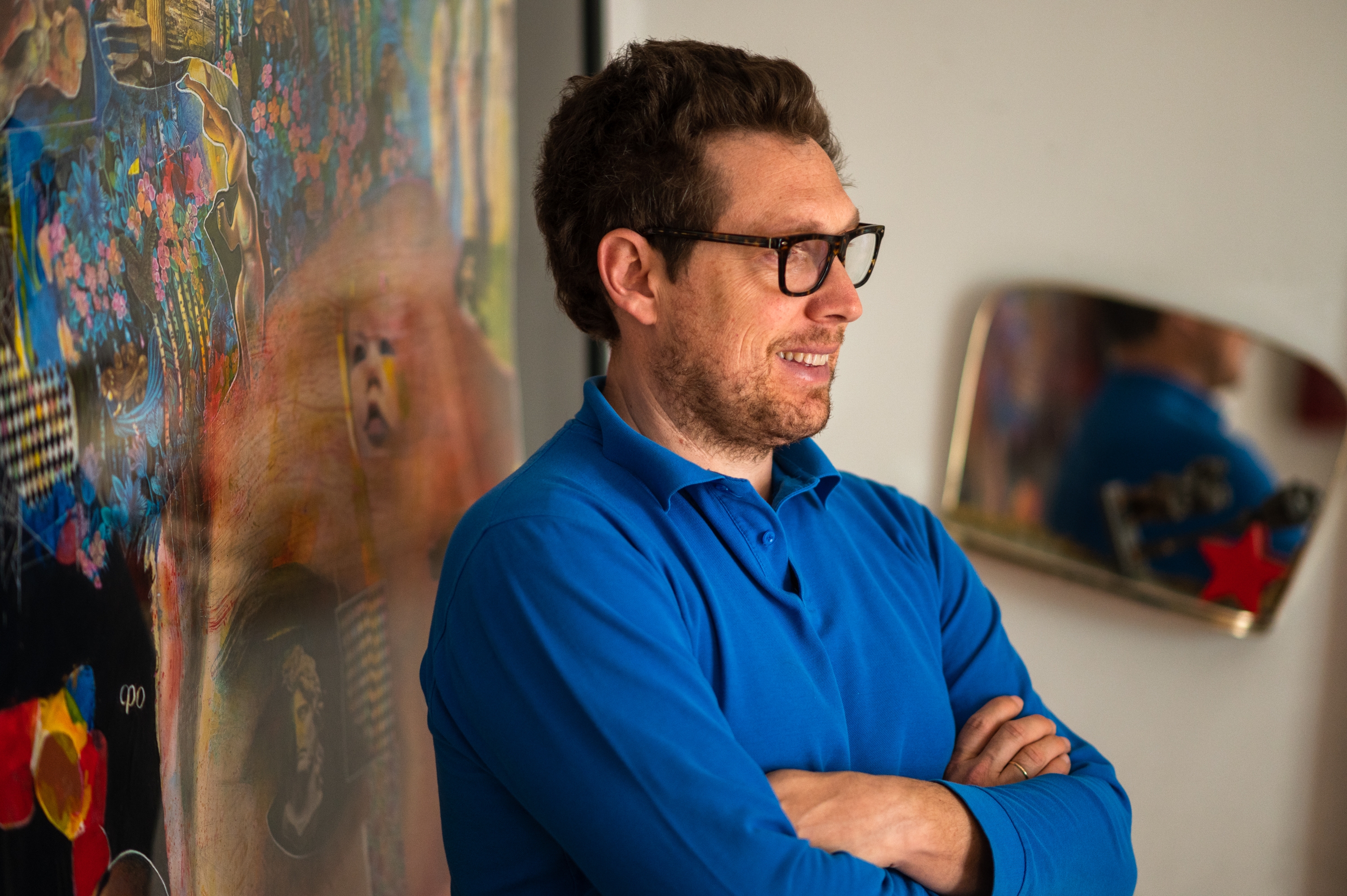
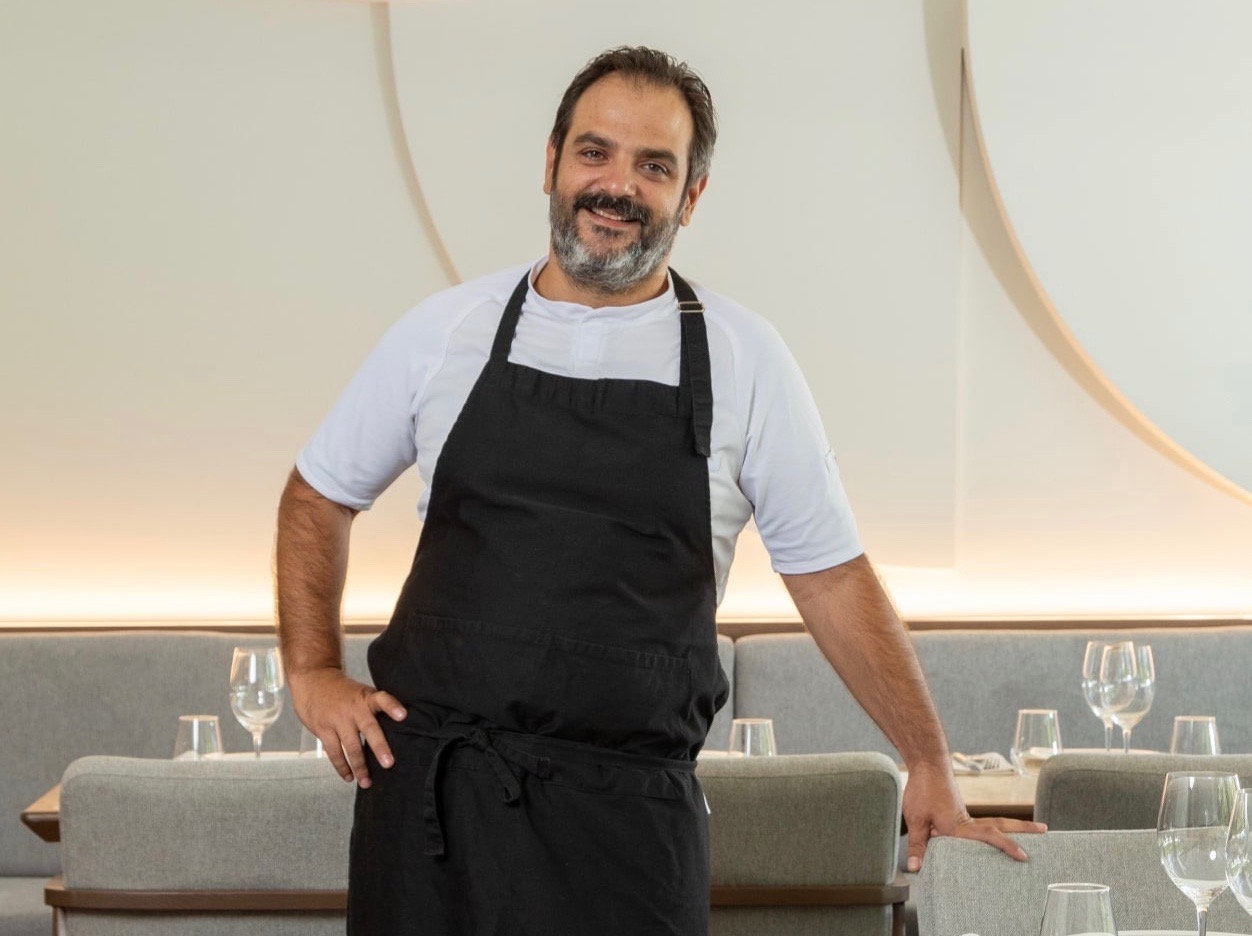
In this interview, Periklis Koskinas, the visionary behind Cookoovaya, shares how the philosophy of “Wise Cuisine” shapes not only his culinary approach but also his leadership model.
Rooted in restraint, seasonality, and deep respect for ingredients, his perspective reframes luxury as clarity rather than excess and sustainability as responsibility rather than a trend.
From ethical sourcing and long-term partnerships with small producers to redefining success beyond awards and rankings, Koskinas reveals how authenticity, purpose, and consistency build a resilient and future-focused gastronomic brand.
You define Cookoovaya through the concept of “Wise Cuisine.” From a leadership perspective, what does wisdom mean in building a sustainable culinary brand today?
At Cookoovaya, “Wise Cuisine” means clarity and restraint. Like the owl in Greek culture, wisdom is about discernment, knowing what truly matters.
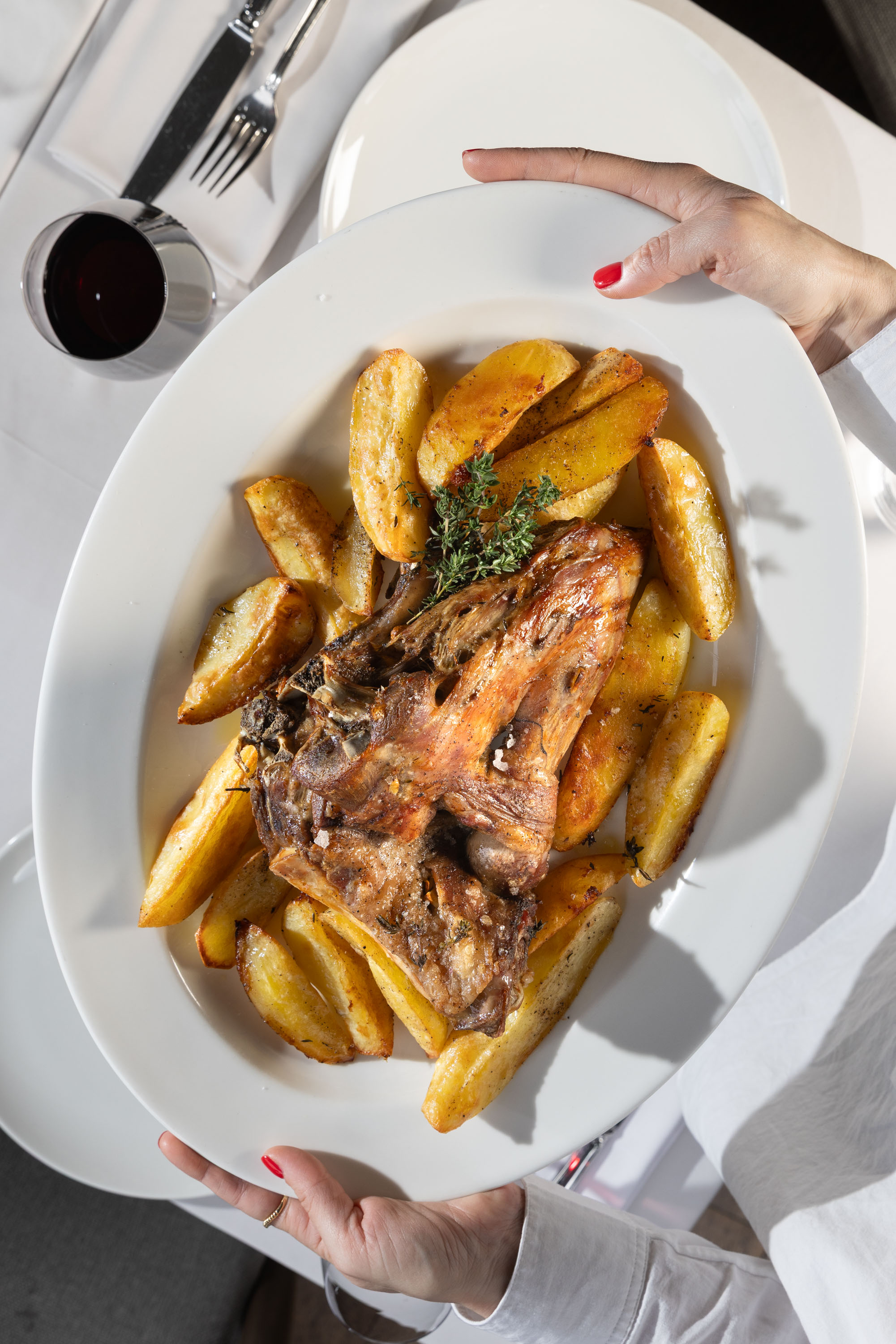
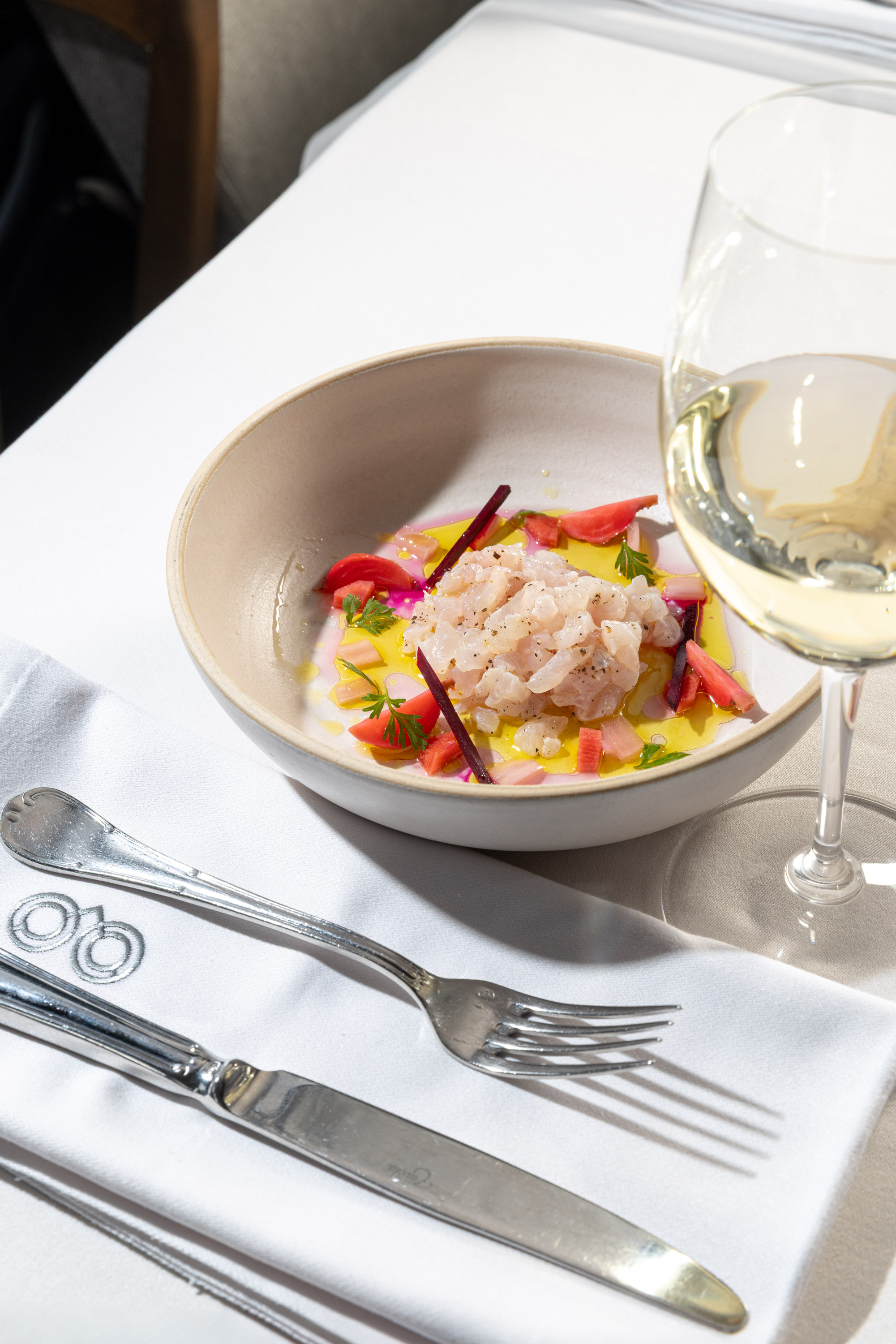
Greek cuisine is inherently wise because it respects seasonality, timing, and the natural integrity of each ingredient, allowing it to shine without unnecessary manipulation and effort.
From a leadership perspective, wisdom means building a brand rooted in authenticity, long-term thinking, strong relationships, and consistency.
Sustainability comes from staying true to your identity, empowering your team, and growing with purpose rather than chasing trends.
Luxury is often associated with excess. How do you redefine luxury through restraint, seasonality, and ingredient
Luxury became associated with excess mainly in the 80s and 90s, when abundance was seen as status.
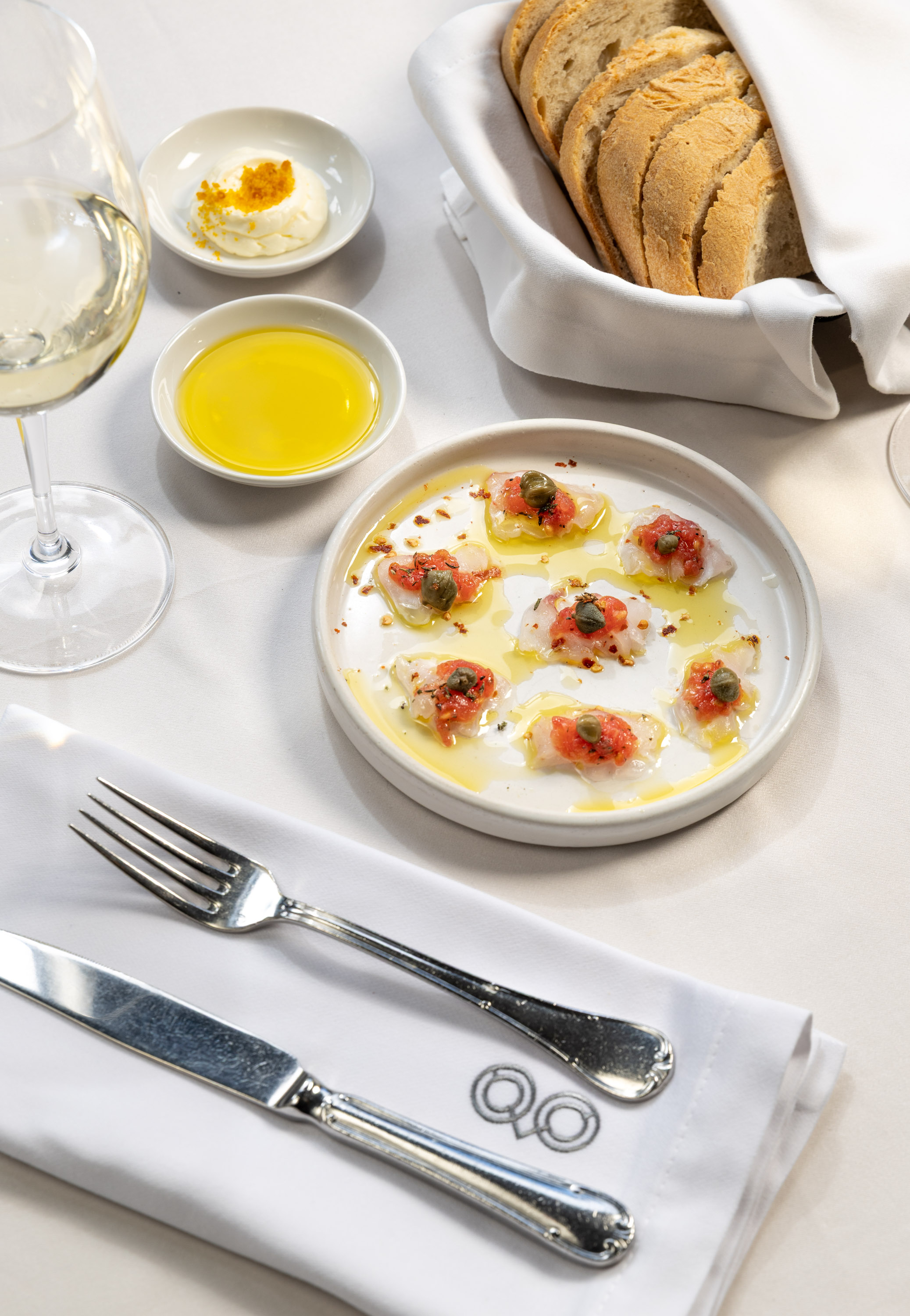
For me, true luxury is the opposite. It is the privilege of enjoying a perfect olive oil, a sweet seasonal tomato, a warm piece of bread, simple things at their absolute best.
Restraint, seasonality, and ingredient integrity redefine luxury as clarity and intention. “Less is more” is not a trend; it is a philosophy. When you respect the ingredient and the right moment, you create something genuinely luxurious without excess.
Sustainability is increasingly a strategic imperative rather than a trend. How have you embedded sustainable thinking into your sourcing, operations, and long-term business model?
For me, sustainability is not a trend — it is inherent in Greek cuisine. Our culinary tradition is built on seasonality, local sourcing, and respect for the whole ingredient, so sustainability is part of its DNA.
We embed this thinking not only in how we source products, by working closely with small producers and choosing ingredients at their natural peak, but also in how we operate: minimizing waste, simplifying processes, building long-term partnerships, and growing at a pace we can truly support.
It is not just about ingredients, it is a holistic business philosophy rooted in responsibility and continuity.
How do you balance cost efficiency with ethical sourcing, especially when working with small-scale, high-quality producers?
In recent years, prices have increased significantly due to rising energy costs, inflation, higher production expenses, and labor shortages.
The lack of sufficient support or intervention has further intensified these challenges, resulting in higher prices across the supply chain.
When working with small-scale, high-quality producers, balancing cost efficiency with ethical sourcing requires flexibility and strategic thinking.
You need to expand your network, step outside your comfort zone, and continuously search for new partners who share your values.
At the same time, you may need to explore alternative ingredients that maintain the same quality standards as the ones you traditionally use.
For me, quality is a non-negotiable red line. If you refuse to compromise on it, then the key is to carefully select products that are sustainable for the restaurant’s financial health while still offering fair value to the guest.
Profitability is essential, but so is ensuring that the guest feels they are paying for quality and not simply paying a premium.
Balancing these factors requires constant evaluation, creativity, and strong relationships with producers, built on trust, transparency, and long-term collaboration.
The Mediterranean diet is globally recognized as both healthy and sustainable. Do you see it as a competitive advantage for Greek gastronomy in the global luxury market?
Yes, absolutely. Greek cuisine is our natural competitive advantage. I have believed that since 2009, when molecular techniques and imported trends were seen as the future of Greek gastronomy. But our strength is not imitation, it is identity.
The Greek way of eating is healthy, sustainable, and deeply rooted in culture. We should build on that and have the confidence to ignore the noise.
All forms of expression are welcome, but it is futile to repeat trends from abroad instead of developing our own voice and succeeding through authenticity.
How do you measure success today, through awards and recognition, financial performance, impact on local ecosystems, or something else?
For me, success is everything but awards. I don’t believe in titles or rankings. They don’t define who we are or what we do.
A successful restaurant is one that is busy, financially independent, and ethically grounded. It operates with clear standards, supports its local ecosystem, and most importantly creates a secure and respectful environment for its people, with all their legal rights fully protected.
If the team feels proud and the guests return, that is real success.