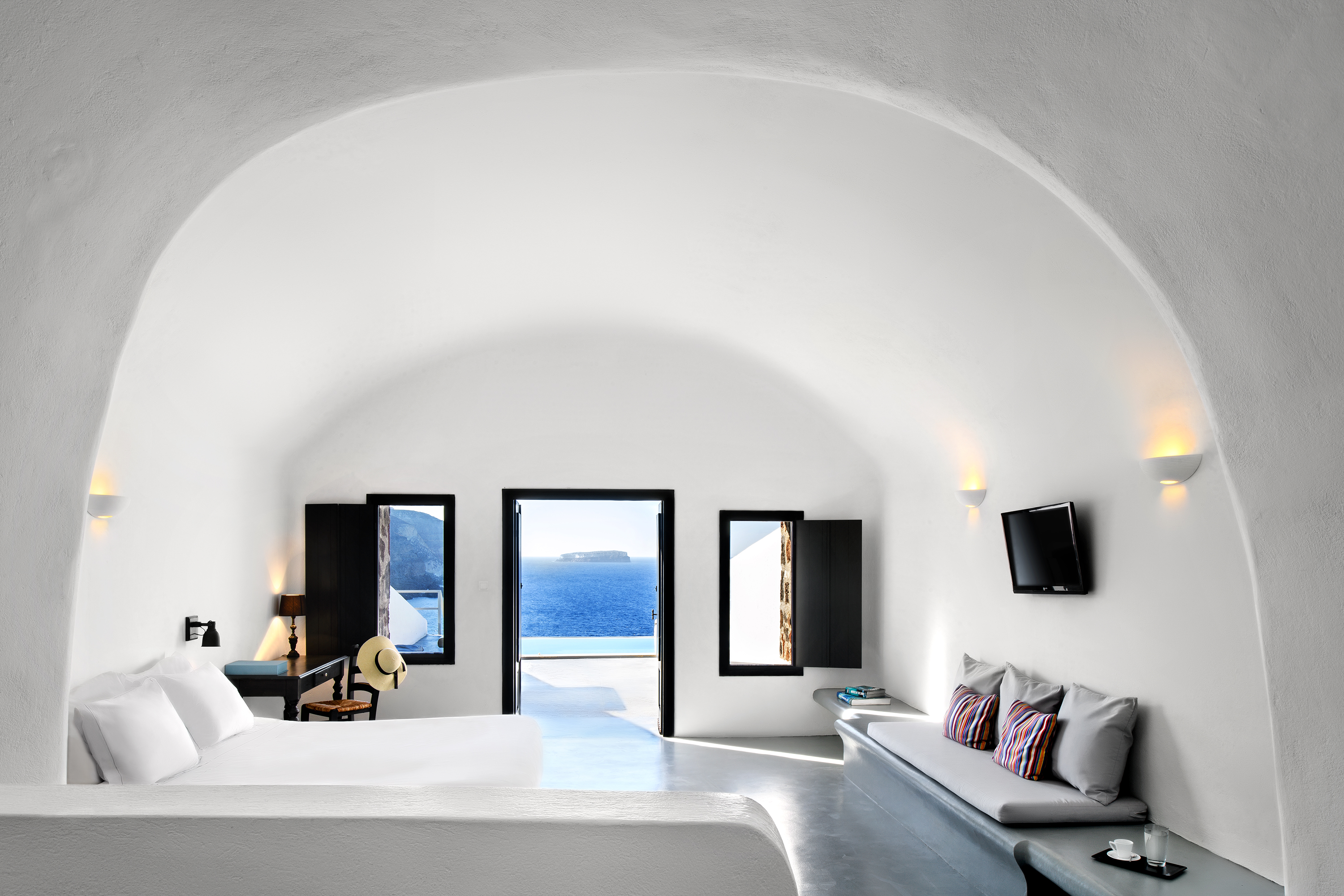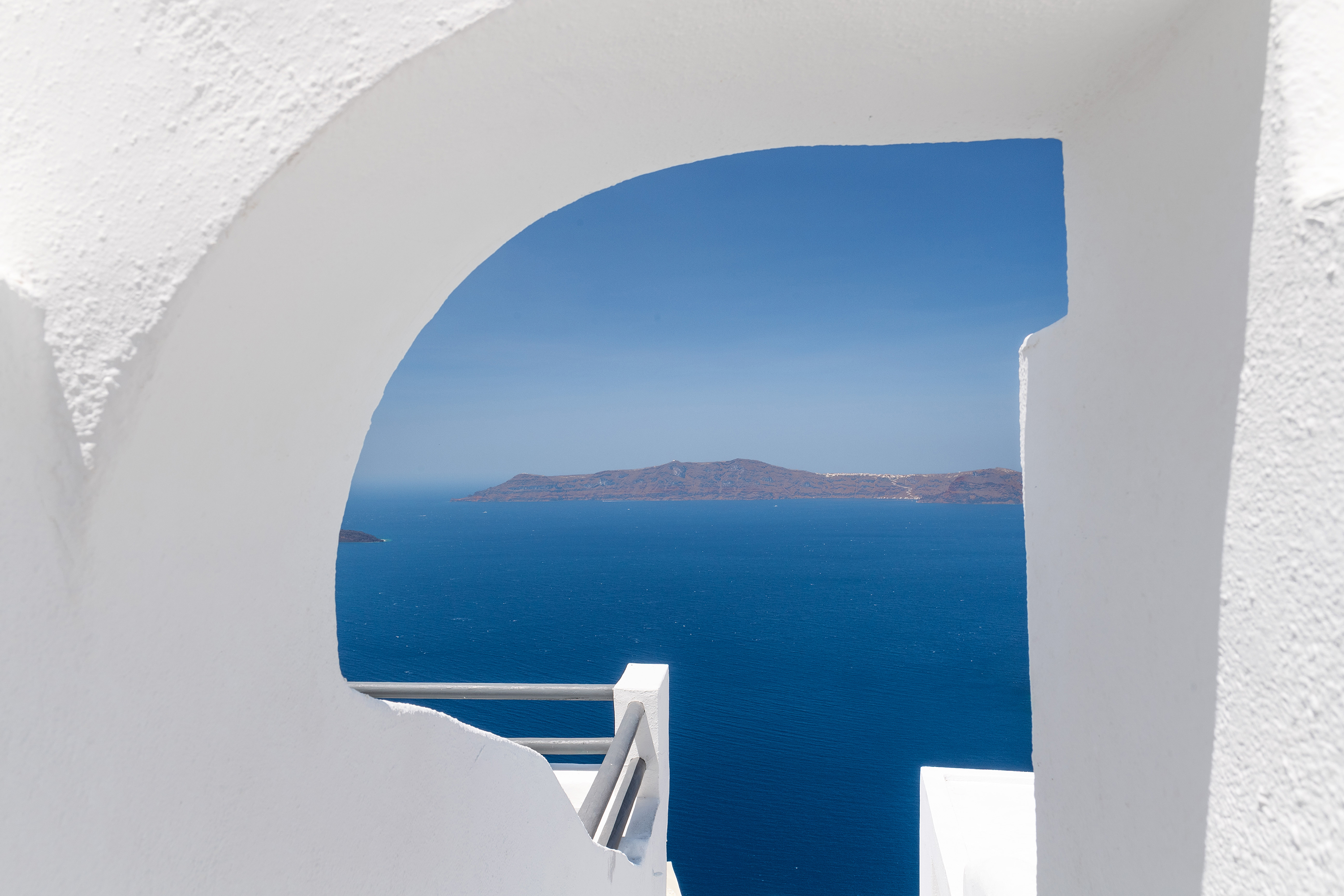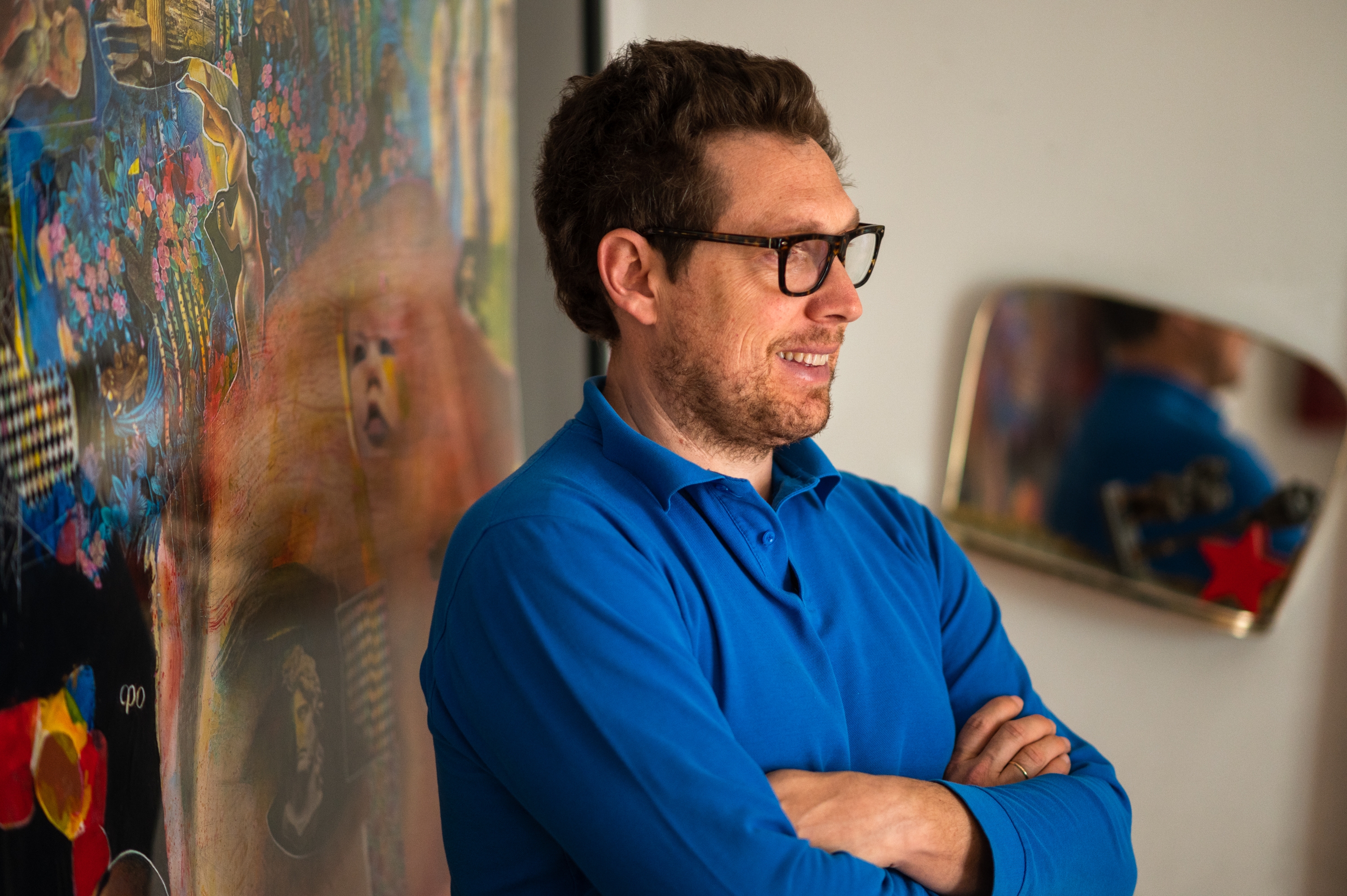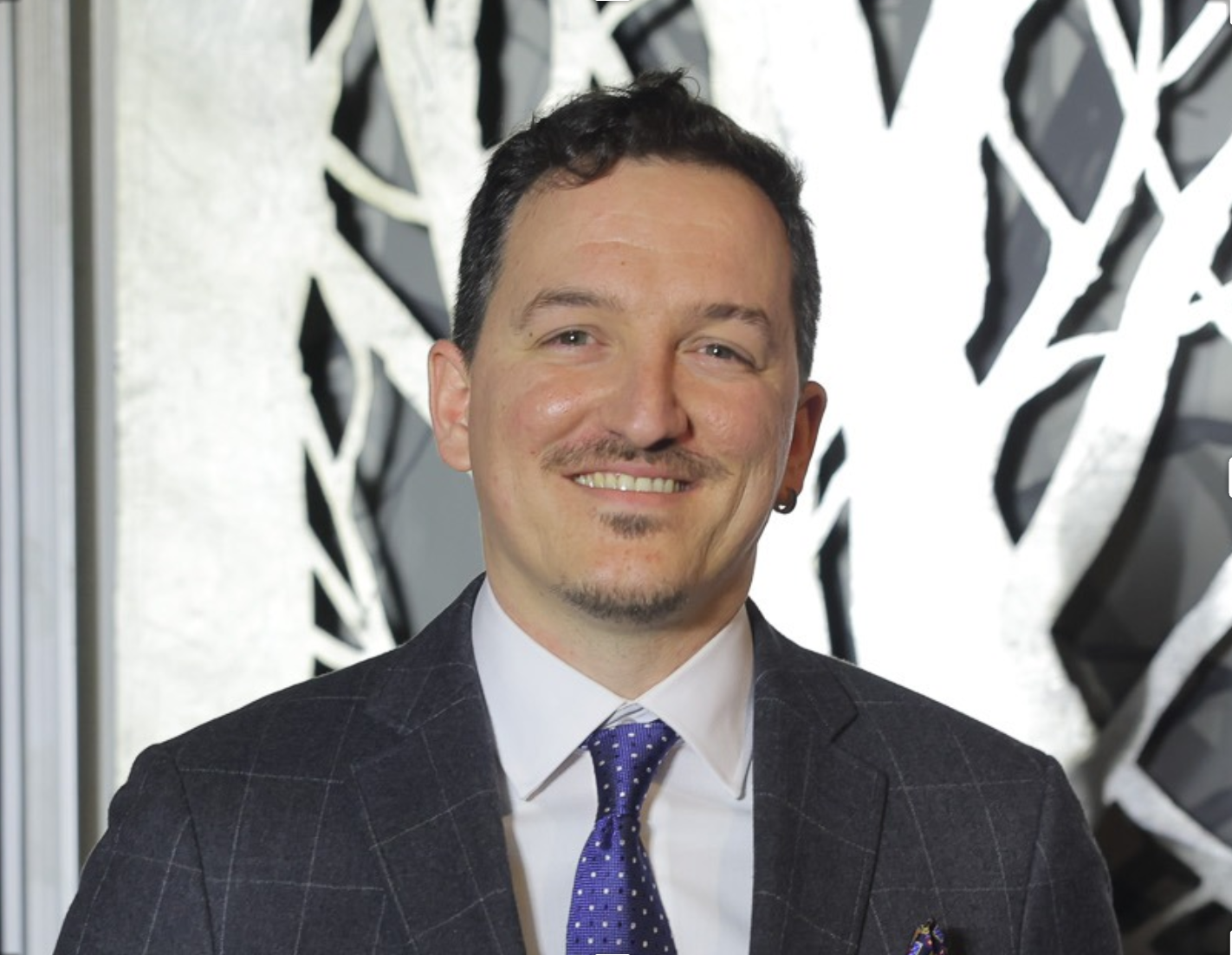
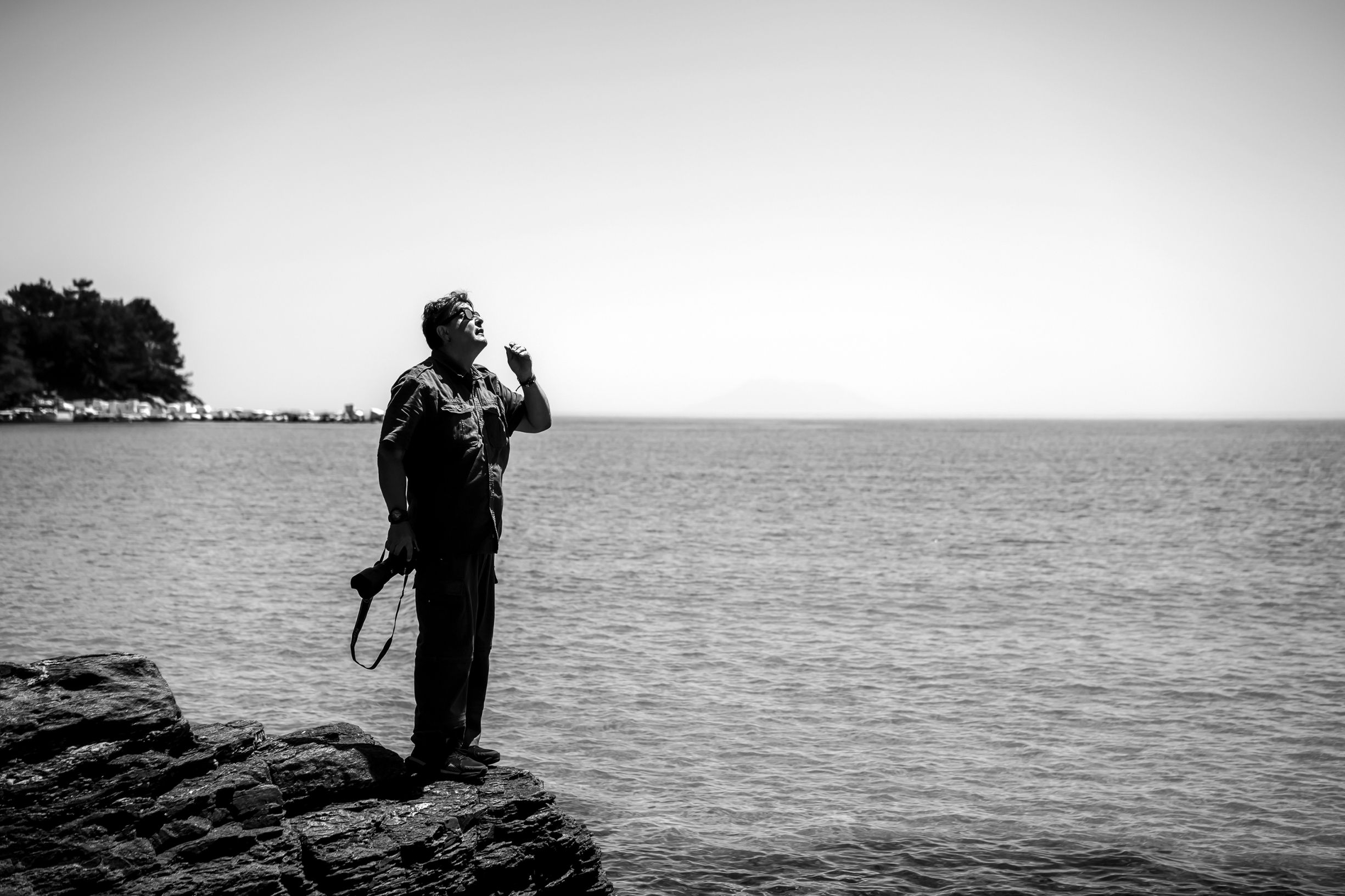
From the contrasting rhythms of Thessaloniki and Brussels, Andreas Sfyridis developed a photographic language where architecture meets human emotion. Specializing in hospitality photography, he sees hotels not as static spaces, but as living stories shaped by light, people, atmosphere, and memory.
Through his lens, visual identity becomes more than aesthetics, it becomes the feeling of belonging. His work captures the essence of modern hospitality: not simply showing a place, but allowing viewers to imagine themselves already there.
You began your journey in Thessaloniki and shaped your eye in Brussels. How did those two cities converse within you, and how do they still echo in the way you frame a hotel space today?
I arrived in Brussels to study photography at a School of Fine Arts, during a time when the city was defined by a certain introspection and an almost deafening quietness in its everyday rhythm.
In complete contrast, Thessaloniki —and its people— radiated, and continue to radiate, extroversion, vibrancy, warmth, immediacy, and authenticity.
Within this duality, further intensified by the distinctly different weather conditions of the two cities, I found myself constantly navigating between opposing emotional states.
This contrast did not hold me back; on the contrary, it became a catalyst. It led me to selectively absorb elements that resonated with my temperament and the aesthetic language I was shaping as a student at the time.
Brussels offered me structure and visual awareness. It was there that I learned to truly see light, geometry, balance, the relationship between space and people, and the discipline of composition. I was trained to move unnoticed, to capture the moment within space and time.
The aesthetic foundation I developed allowed me to understand that every frame is a decision — not merely a depiction. It echoes the philosophy of the “decisive moment,” as defined by Henri Cartier-Bresson.
The discipline of European photographic education helped me transform instinct into a conscious tool.
On the other hand, Thessaloniki gave me emotion. It is a deeply experiential, human, and hospitable city, where everyday life and authenticity are ever-present.
There, I learned to observe people, to notice fleeting moments, and to understand that the warmth of a space is not defined solely by its aesthetics, but by how it is lived.
Today, when I frame a hotel space, these two “voices” operate simultaneously.
On one hand, I seek architectural clarity, light, and balance. On the other, I strive to capture the relationship between architecture and hospitality to visually translate the emotions and experiences that a viewer will feel even before check-in.
In essence, Thessaloniki taught me what to feel, and Brussels taught me how to express it.
And for me, hotel photography exists precisely at that intersection: the transformation of an image into emotion.
After years in advertising, you chose to dedicate yourself entirely to hospitality. What did hotels offer you that other subjects couldn’t, and what story were you finally able to tell there?
Hotels and tourism were always part of my work during my years in advertising photography. However, 2005 marked a defining turning point, the moment I chose to fully dedicate myself to the hospitality industry and evolve as a specialized hotel photographer.
At that time, tourism was going through a significant transformation. It was gradually moving away from the traditional 3S model (Sea, Sun, Sand) and shifting toward more experiential concepts such as “Home away from home” and “Temporary Local.”
Communication was no longer centered solely on showcasing facilities and services. It was becoming about capturing emotions, shaping expectations, and creating a sense of experience even before arrival.
At the same time, the role of the destination was elevated, forming a deeper, inseparable connection with the accommodation, while gastronomy also evolved into a key experiential component.
What truly drew me in was the realization that hotels are not static structures, they are living organisms. They evolve, transform, and redefine themselves from season to season. My role is to translate this ongoing transformation into visual narratives that evoke emotion.
Unlike commercial photography, where subjects are often inanimate, hospitality photography connects me with places, people, and cultures. I encounter stories, traditions, and authentic ways of living.
I don’t just observe, I temporarily become part of the place.
My approach is inherently human-centric. I don’t focus solely on the space, but on the people who bring it to life, guests, staff, collaborators, and even the owners themselves.
The essence of my work lies in how these individuals are directed and positioned within their environment. How they move, interact, and inhabit the space. This need led me to further explore disciplines such as directing and scenography.
Through visual storytelling, my goal is to portray people as they truly are — welcoming, genuine, natural, and authentic.
Because ultimately, the story I tell through hotels is not about the space itself. It is about the feeling of belonging.
And all these stories share one common thread: the Greek invitation — “Kopiáste” — you are welcome, come in.
When you walk into a hotel for the first time, before the camera even comes out, what are you listening for? What does a space whisper to you?
My first encounter with a hotel happens without a camera. It is a quiet, almost intimate process.
During the location scouting phase, I move discreetly through the spaces, observing the architecture, the light, the textures, the flow, the style, and the decorative elements.
I use my phone to capture details—not as final images, but as reference points that will later be shared and interpreted with the team during the Pre-Production Meeting.
But the hotel truly begins to “speak” at dawn. At that hour, before the space fills with movement and sound, it reveals its most authentic self. I pause and listen.
I listen to its rhythm, its silence, the subtle details that shape its identity. It whispers the stories of its people, the habits that define it, the flavors that characterize it, and its connection to the surrounding destination.
One moment, I may be in the restaurant where breakfast is being prepared; the next, by the pool, in the lobby, on the beach, at the spa, even in the laundry room.
Because behind every stay, there is a layer the guest never sees, but always feels.
In hospitality, excellence is not only what is visible. It resides in what operates quietly behind the scenes.
That is what I seek to uncover through these “whispers.” And ultimately, to translate into images that allow the viewer not just to see a place, but to feel themselves already there.
You describe yourself as a “visual storyteller.” In a world flooded with images, what transforms a hotel photograph from documentation into narrative?
I don’t depict spaces. I tell stories of lived experiences through emotionally driven imagery.
My work is grounded in the psychology of identification and anticipation transforming the viewer into a guest before arrival.
At the core of my photography lies one defining element: emotion. It is what activates connection and evokes the feeling of “I could be there.” Because when an image fails to create identification, it rarely creates a booking.
My visual narratives invite the viewer to project themselves into the space moving them from passive observation to active participation.
Many hoteliers still see photography as a technical necessity rather than a creative investment. In your experience, what truly changes for a hotel when it embraces a professional photoshoot?
There is still a segment of hoteliers who perceive professional photography as an additional expense rather than what it truly is: an investment intrinsically linked to the property itself.
They continue to “sell rooms,” while today’s guests are buying experiences. As a result, room images remain descriptive rather than experiential. They show the space, but they don’t tell its story.
They present the aesthetics, but they fail to convey emotion.
In today’s hospitality marketing landscape, investing in professional photography rooted in visual storytelling where content responds to the emotional needs, expectations, and desires of the guest, is not a decorative element.
It is a strategic tool for positioning, differentiation, and conversion.
In other words: One image is not worth a thousand words. Ιt is worth a thousand bookings.
If a hotel neglects its visual identity, what does it lose, not just in bookings, but in emotion, memory, and presence?
A hotel exists in two forms: the physical and the digital. The physical form is its real presence within the destination, its architecture, its spaces, the experience it offers.
It is stable, not easily altered except through substantial interventions such as renovations or expansions. And most importantly, it can only be experienced once the guest is already there.
The digital form is its presence in the online world. It is the first point of contact, the first impression, the guest’s first “journey” before arrival.
Unlike the physical form, it is flexible, evolving, and global. And at its core lies visual identity.
Visual identity is the bridge between what a hotel truly is and how it is perceived online. It is not only about how a hotel looks. It is about how it feels and ultimately, how it is chosen.
When this identity is neglected, a hotel does not only lose bookings. It loses something far more fundamental: its place in the mind and emotions of the modern traveler.
It loses the ability to make someone imagine themselves there. To be remembered in a world of endless options. And ultimately, to be chosen.
When imagery is weak, inconsistent, or merely descriptive, it creates doubt. And the guest does not take the risk even if the hotel offers a high level of service.
Because quite simply, they cannot “see” it.
They cannot feel it.
They cannot trust it.
A hotel may be present online but in reality, it is absent.
In a world saturated with images, only what evokes emotion is remembered. When that emotional connection is missing, the viewer encounters the hotel’s digital presence without feeling anything.
And a hotel without a strong visual identity is not rejected. It is simply… forgotten.
You’ve followed tourism trends closely and spoken at major industry events.
From the moment I decided to specialize, I understood that in order to keep pace with the trends and rapid evolution of the tourism industry, continuous learning was essential. I immersed myself in lectures, workshops, seminars, and conferences dedicated to the sector.
Over the years, my role gradually evolved -from attendee to speaker- as I became an active contributor to the industry’s ongoing dialogue.
The pace of change has been remarkable. What I have observed is a profound shift in the way tourism is visually communicated: from straightforward depiction to immersive, authentic experience.
Today’s travelers no longer wish to remain passive spectators; they seek to temporarily live as locals within a destination.
Hotels, in turn, have also redefined their focus. They have moved away from the traditional model of selling beds, linens, or physical amenities. Instead, they emphasize the unique, personalized experiences they offer and more importantly, how these experiences are perceived and emotionally lived by the guest. The moment a viewer identifies with an image, the moment they see themselves within it, is often the moment that leads to a booking decision.
At the same time, the explosive rise and dominance of TikTok has accelerated the production and consumption of video content, such as reels and stories, influencing platforms like Instagram and Facebook.
Moving image is no longer a complementary asset; it has become a core component of strategic marketing within the tourism industry.
Your work sits somewhere between photography and directing. How much of a hotel photoshoot is about capturing reality, and how much is about carefully orchestrating a dream?
The way I approach and execute the projects I undertake is inherently cinematic. This mindset led me to repeatedly attend seminars in directing and production design.
I work in a way that allows the images I create to consciously align with the “direction” of the dream they portray without becoming unrealistic or detached from reality.
A highly staged photograph is not always an effective one when it comes to emotionally engaging the viewer and convincing them to transform their search into a booking.
An image needs to retain a sense of realism while still capturing attention.
Today’s traveler is visually educated and can immediately recognize when the imagery they encounter does not align with their basic expectations.
This is one of the reasons why, during casting, I intentionally select models whose appearance and body type feel closer to the “person next door.”
Excessive staging, rigid poses, artificial smiles, overly perfected bodies, heavy makeup, and lifeless imagery create unrealistic expectations. They reduce brand credibility and ultimately distance rather than attract the audience.
Contemporary hotel photography no longer needs to impress through exaggeration or manufactured perfection.
On the contrary, maintaining authenticity and minimizing the gap between visual promise and real experience, now requires meaningful visual storytelling—storytelling capable of transforming the visual promise of a dream into a genuine hospitality experience.
After decades behind the lens, what still surprises you? Is there a moment (perhaps in light, in silence, or in human presence) that still feels impossible to fully capture?
As I mentioned earlier, hotels are living organisms. They awaken in spring and fall into hibernation during winter. What continues to fascinate me is witnessing these two extreme states: the transition from winter to spring.
During this period of “hibernation,” everything changes dramatically. The spaces become empty, covered, lifeless, stripped of all vitality. Pools without water, rooms without mattresses or linens, kitchens dark and abandoned. Images that are almost indescribable. Unique.
The atmosphere feels melancholic, surreal, deserted, silent. With the reopening of the hotel, all the familiar images of summer return to memory.
The scenes that only a short time ago resembled something from a Hitchcock film gradually transform into what they were truly designed to be: spaces created to offer joy, calmness, relaxation, rest, wellness, and pleasure.
It is the hotel’s own “spring.” Sounds, scents, laughter, smiles, voices, and conversations begin to fill the atmosphere once again. Waiting has ended and given way to anticipation. The new summer season stands just beyond the door.
This collision between the two states is so powerful that it cannot truly be captured in images. It is this transition—from silence to rebirth—that, even after so many years, still feels almost impossible for me to translate photographically.
As artificial intelligence begins to generate images that feel almost real, where do you believe the human eye and the human presence still holds its irreplaceable truth in photography, especially in the world of hospitality?
Artificial intelligence can now generate images that appear remarkably real. What it still cannot replicate, however, is the authenticity of lived experience, because it lacks emotions, one of the most fundamental qualities of human nature.
In hospitality, an image is not merely an aesthetic construction. It is a promise. And that promise must be rooted in something genuine, something that has existed, been experienced, and left an emotional imprint.
The difference between a space that simply exists and a space that truly sells lies in the story it tells.
The human eye carries memory, intention, and judgment. It does not merely decide what to include in the frame, but also what to leave outside of it.
And that decision is deeply connected to the understanding of the space, the people, and the experience one aims to communicate.
Human presence introduces something that cannot be fully simulated: authentic interaction. A glance, a movement, a subtle imperfection, these are the elements that make an image feel alive and, above all, believable.
In the world of hospitality, where trust plays a decisive role in the booking decision, authenticity is not optional, it is essential.
Artificial intelligence may create flawless images. Perfectly polished. But it does not feel.
Only the human perspective can create emotionally driven imagery that truly persuades, precisely because it carries the unique quality of being “carefully imperfect.”
At the end of the day, guests do not evaluate a frame. Nor are they searching for perfection.
What ultimately wins them over is emotion, the feeling that allows them to identify, connect, and emotionally immerse themselves through experiential and interactive hospitality imagery, rather than through beautifully staged depictions of spaces, facilities, and services alone.
Long before they ever experience it in person.
(Thank you Andreas)