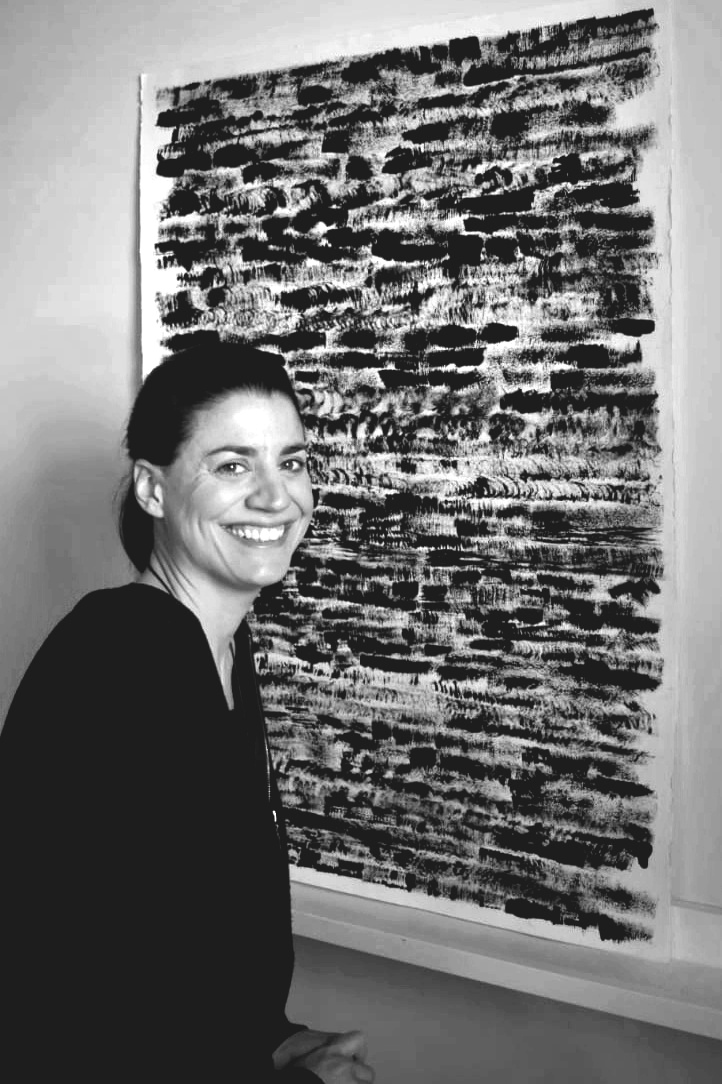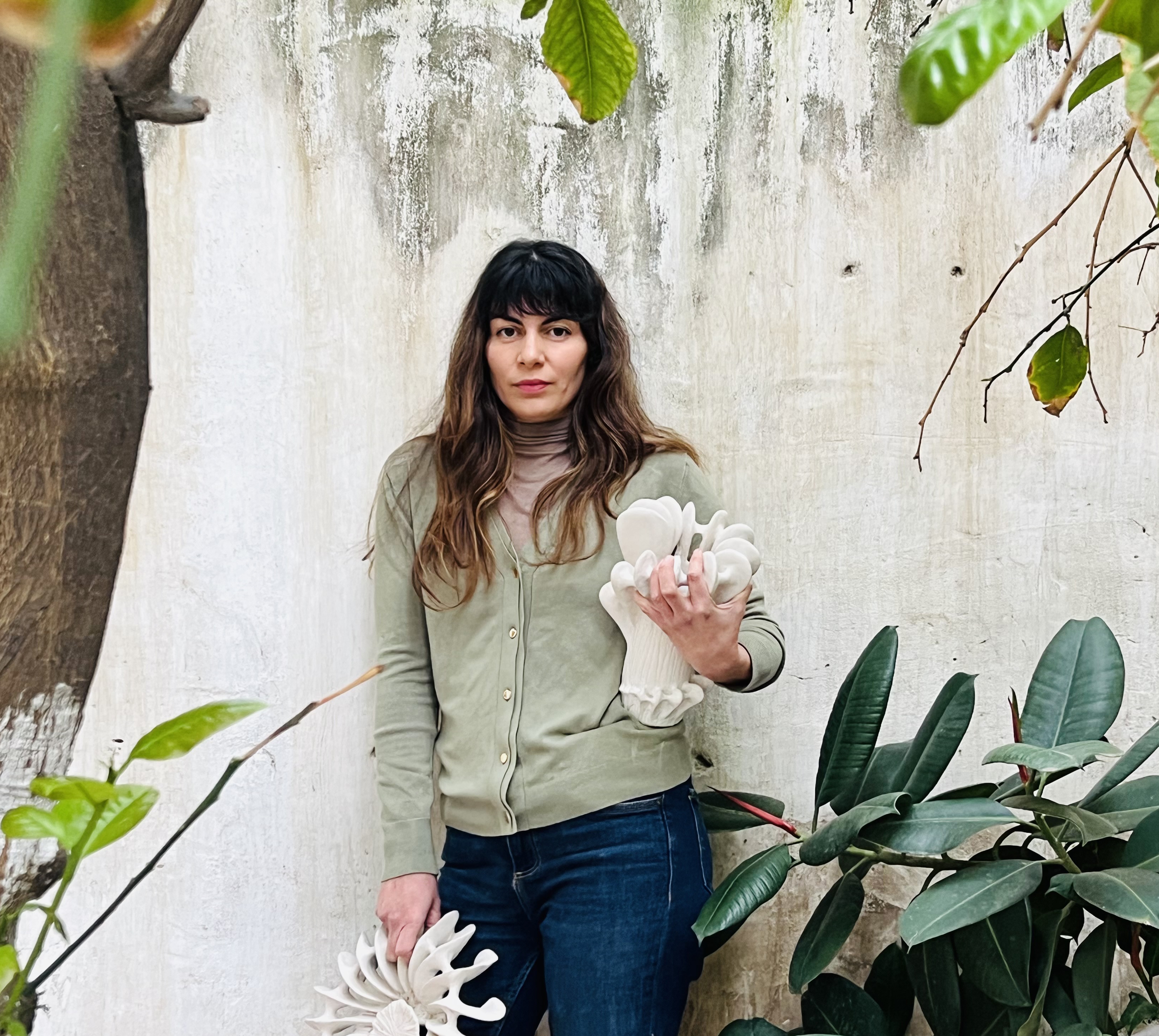
Despina Theodoridou is a visual artist with a background in graphic design and photography. She was born in 1977 in Athens, where she currently lives and works. She began her professional career as a photographer, specializing in travel reportage and interior and exterior photography.
From 2004 to 2008, she focused on creating paintings and art objects, collaborating with museum gift shops.
Since 2008, she has dedicated herself exclusively to painting, developing her unique artistic style through experimentation with various techniques and materials.
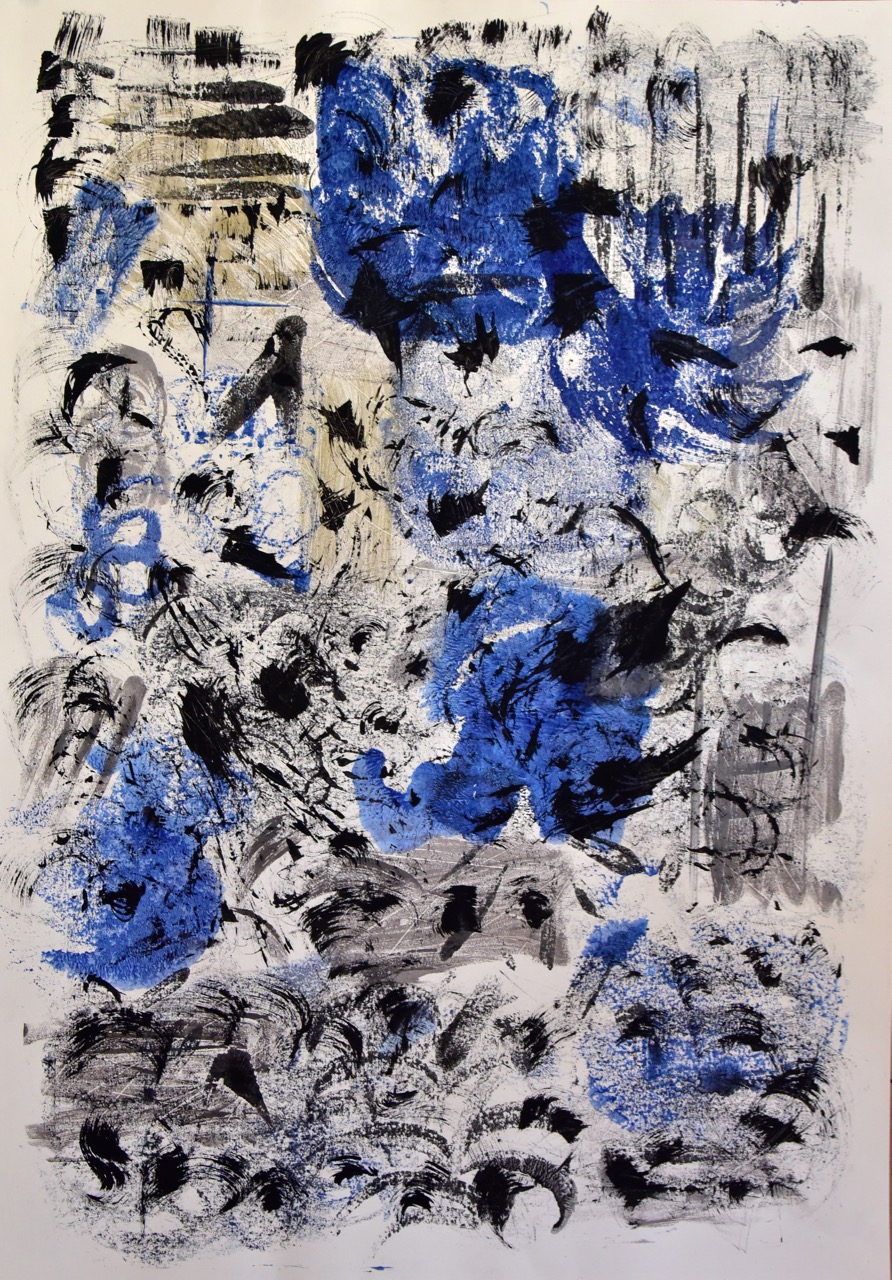
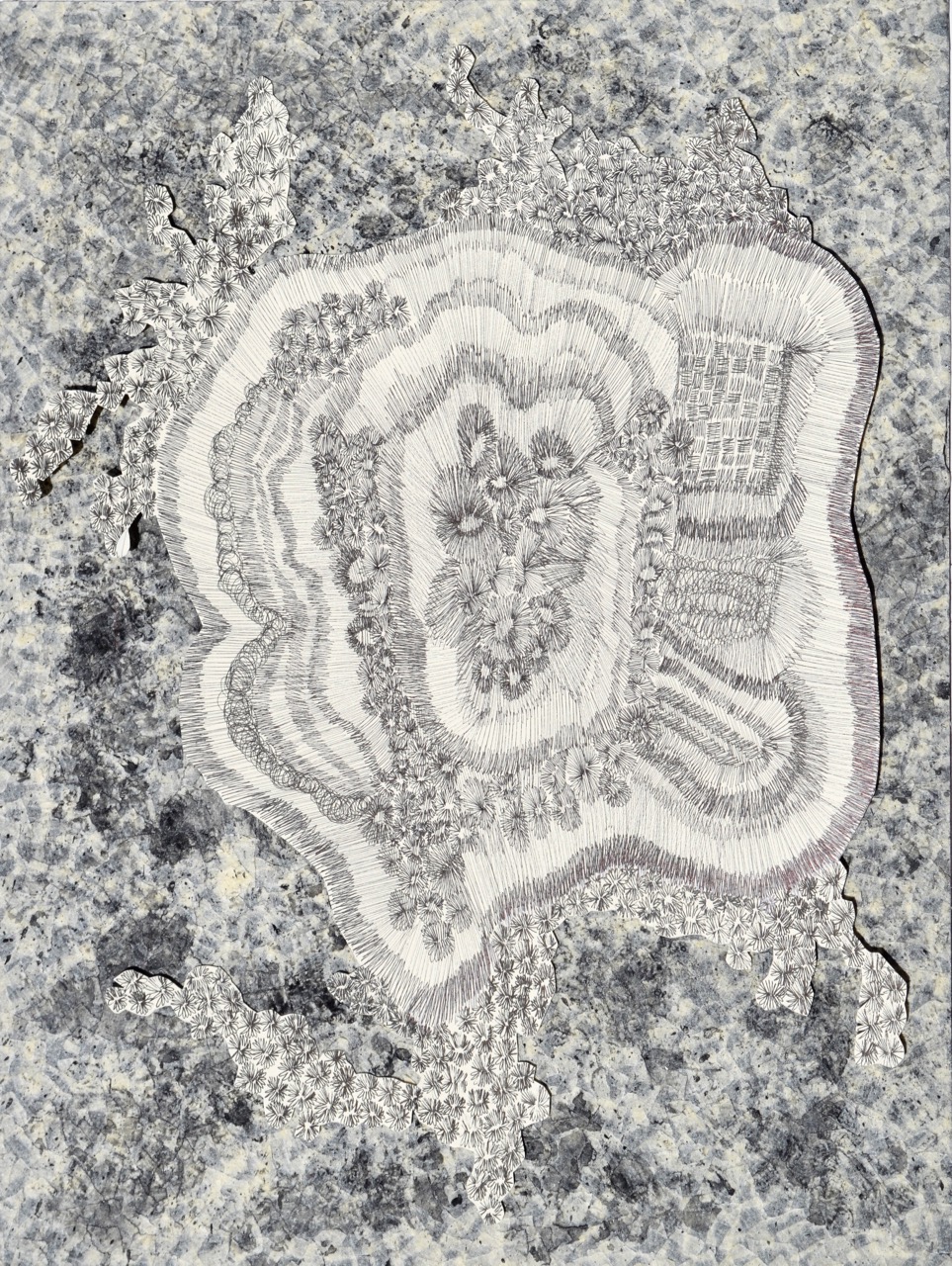
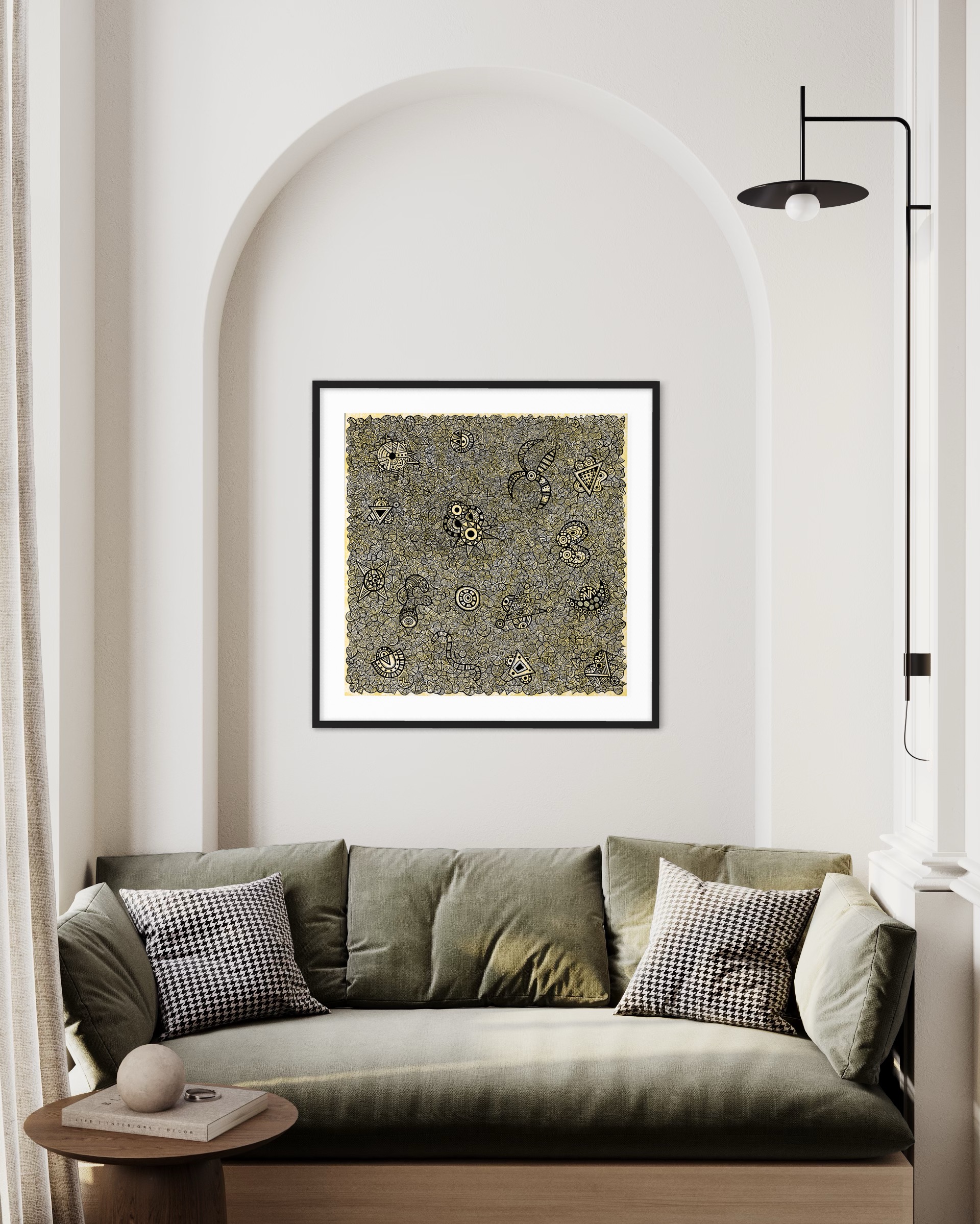
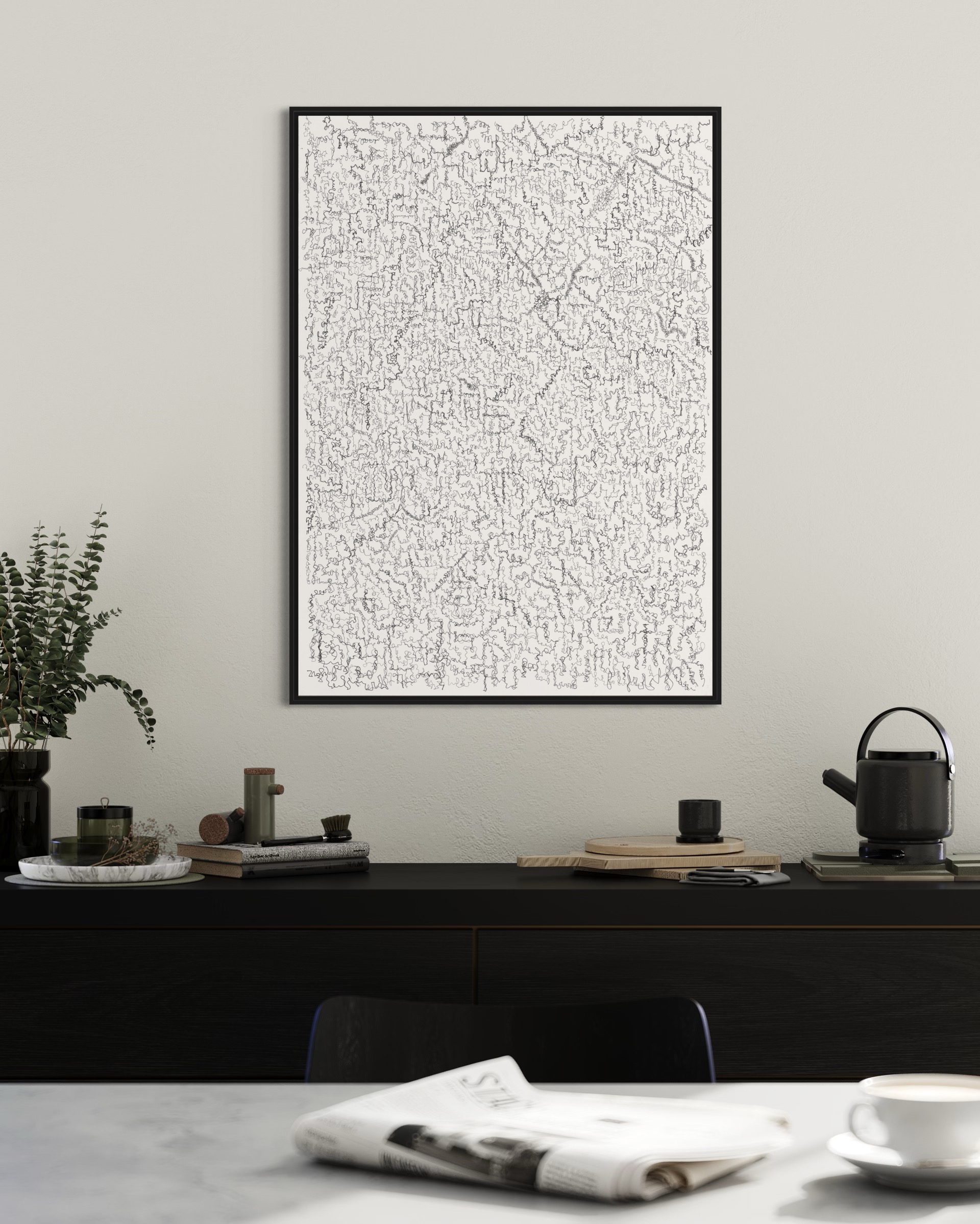
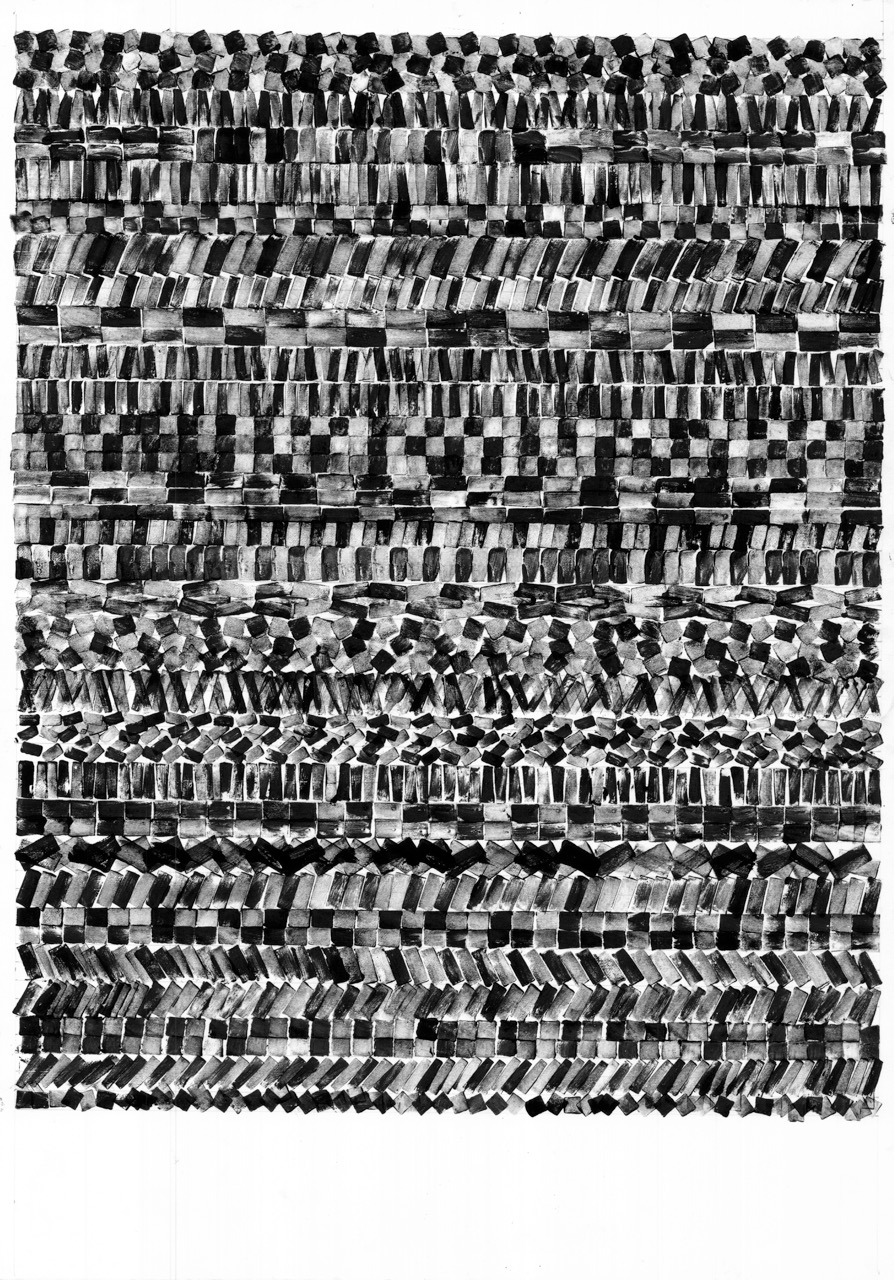
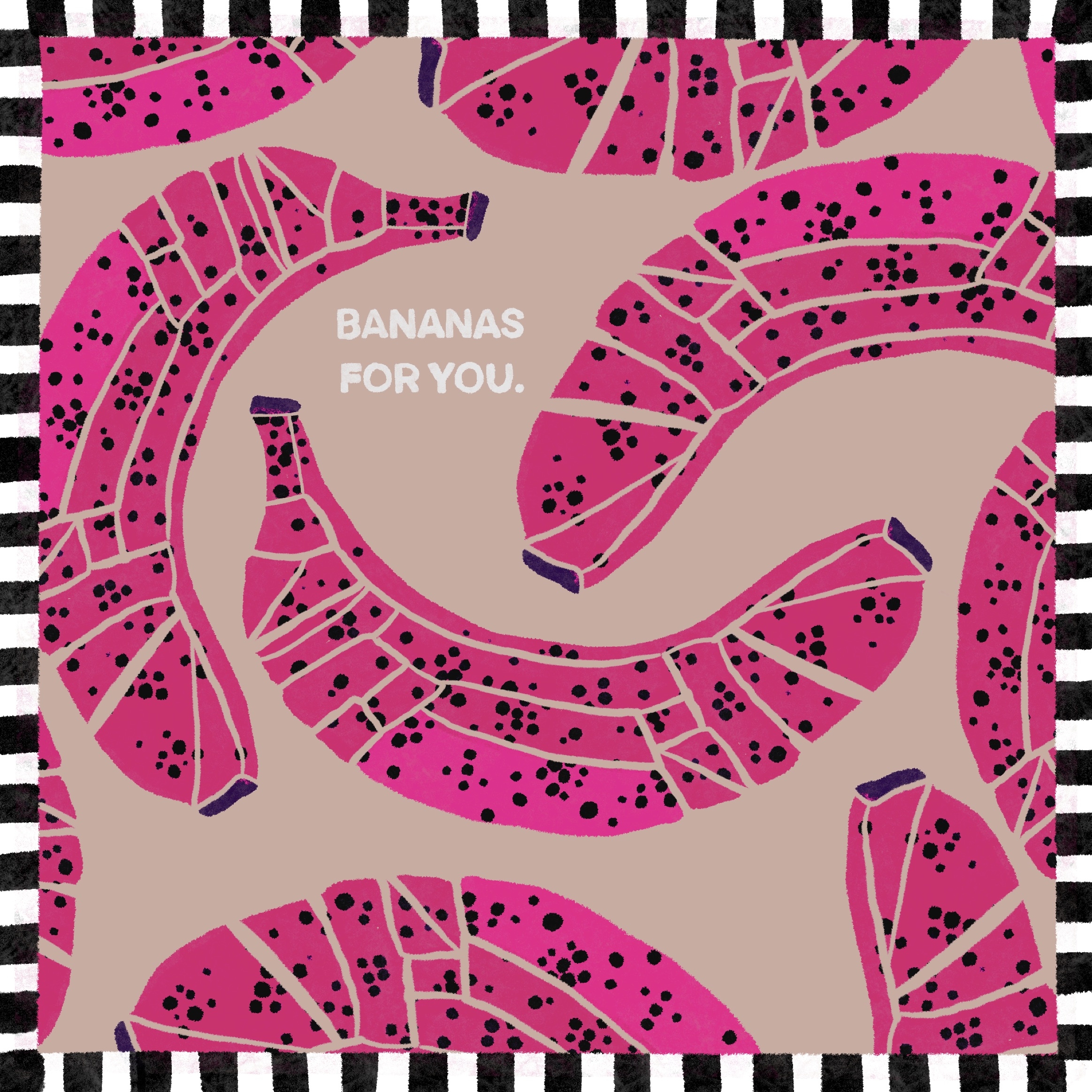
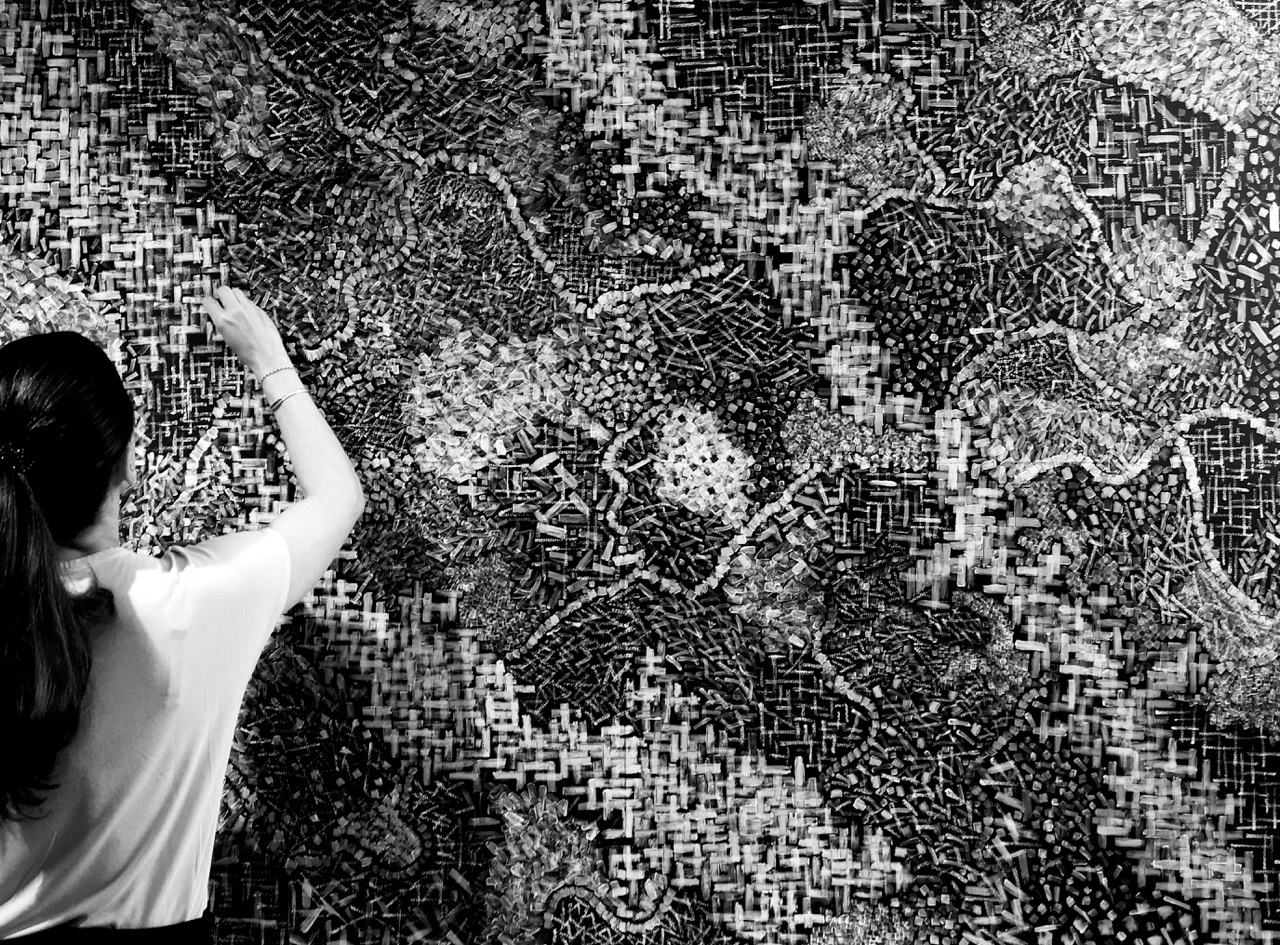
''I create original artworks, commissioned pieces, and limited edition prints — bridging fine art with applied forms. My practice focuses on abstract compositions on paper and canvas, blending brushwork with recycled materials and everyday objects.
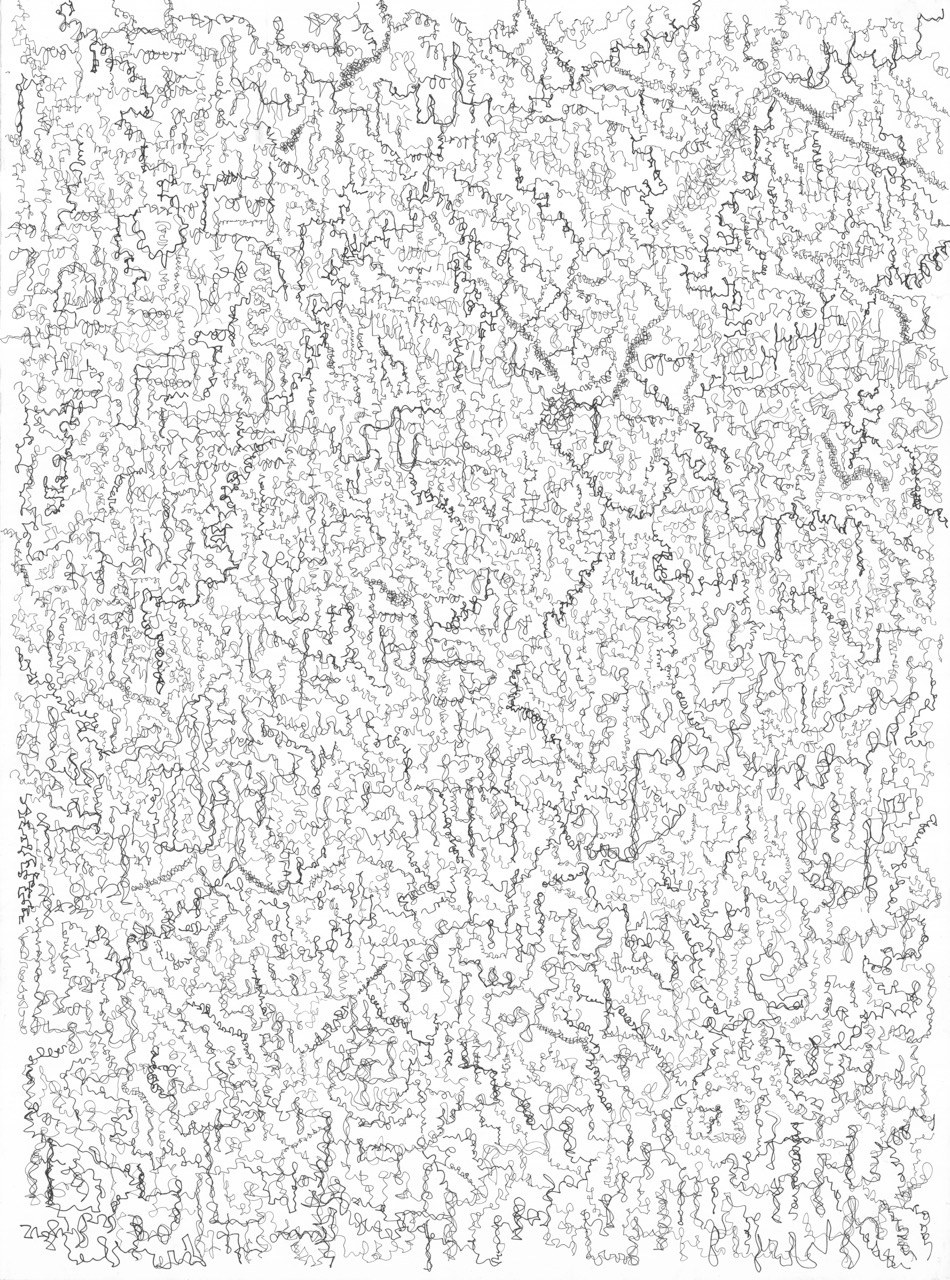
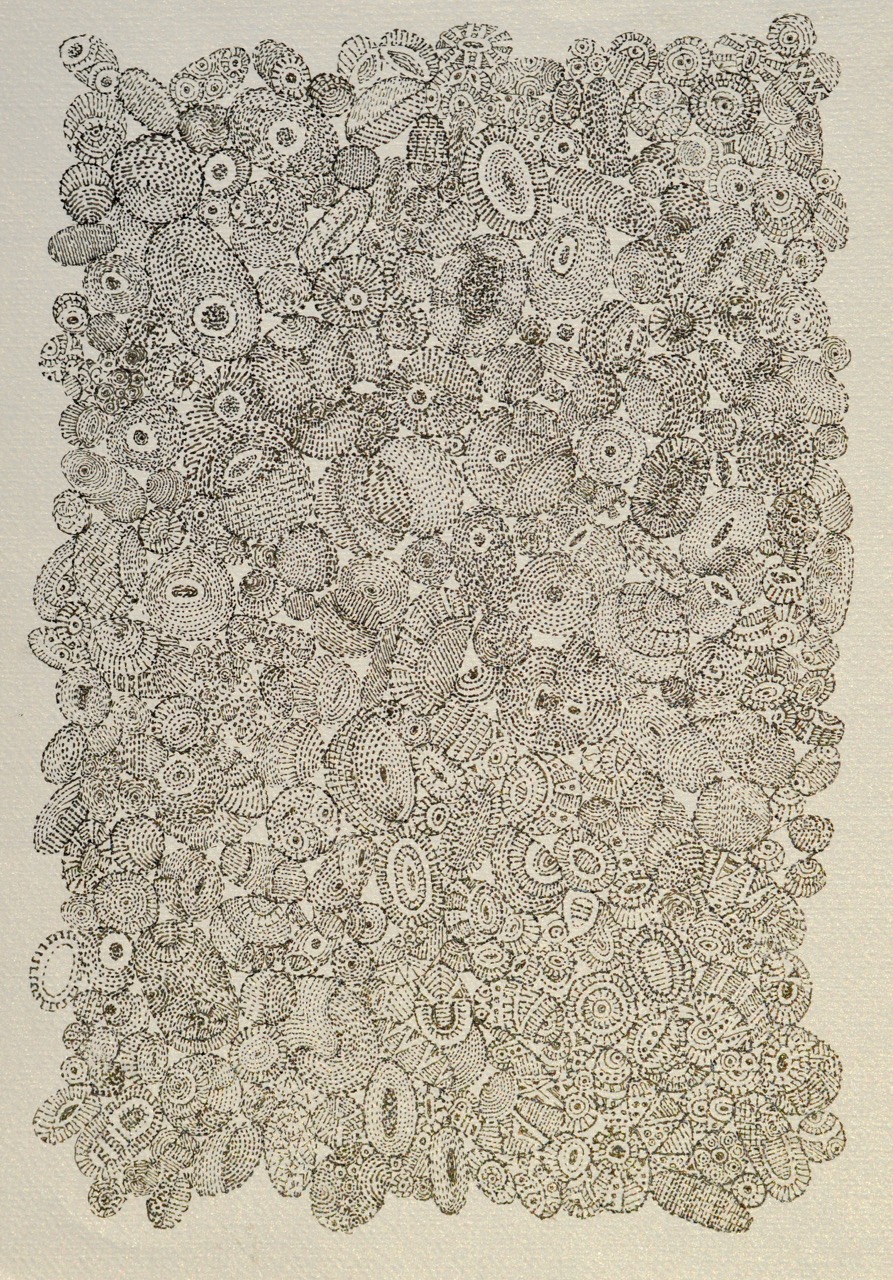
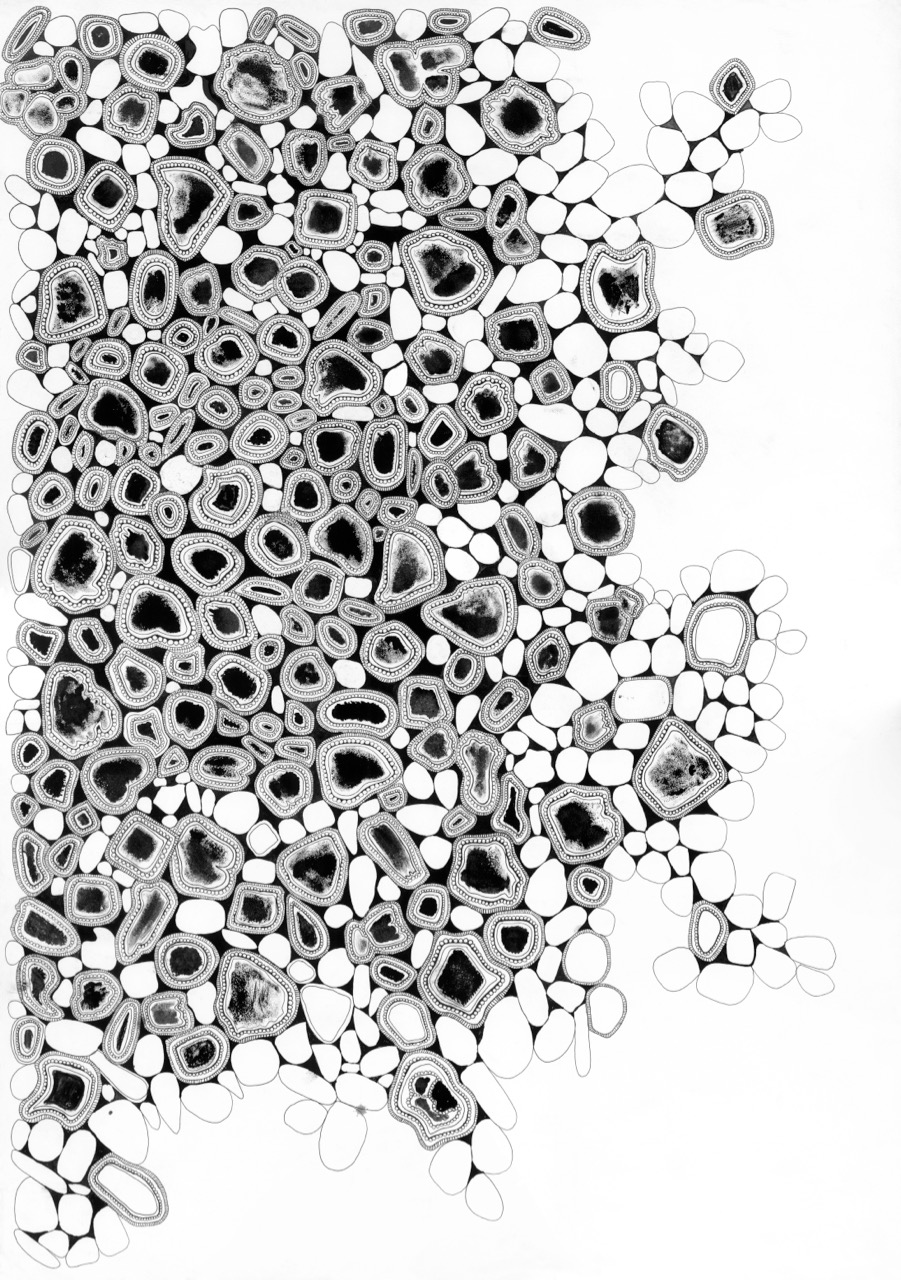
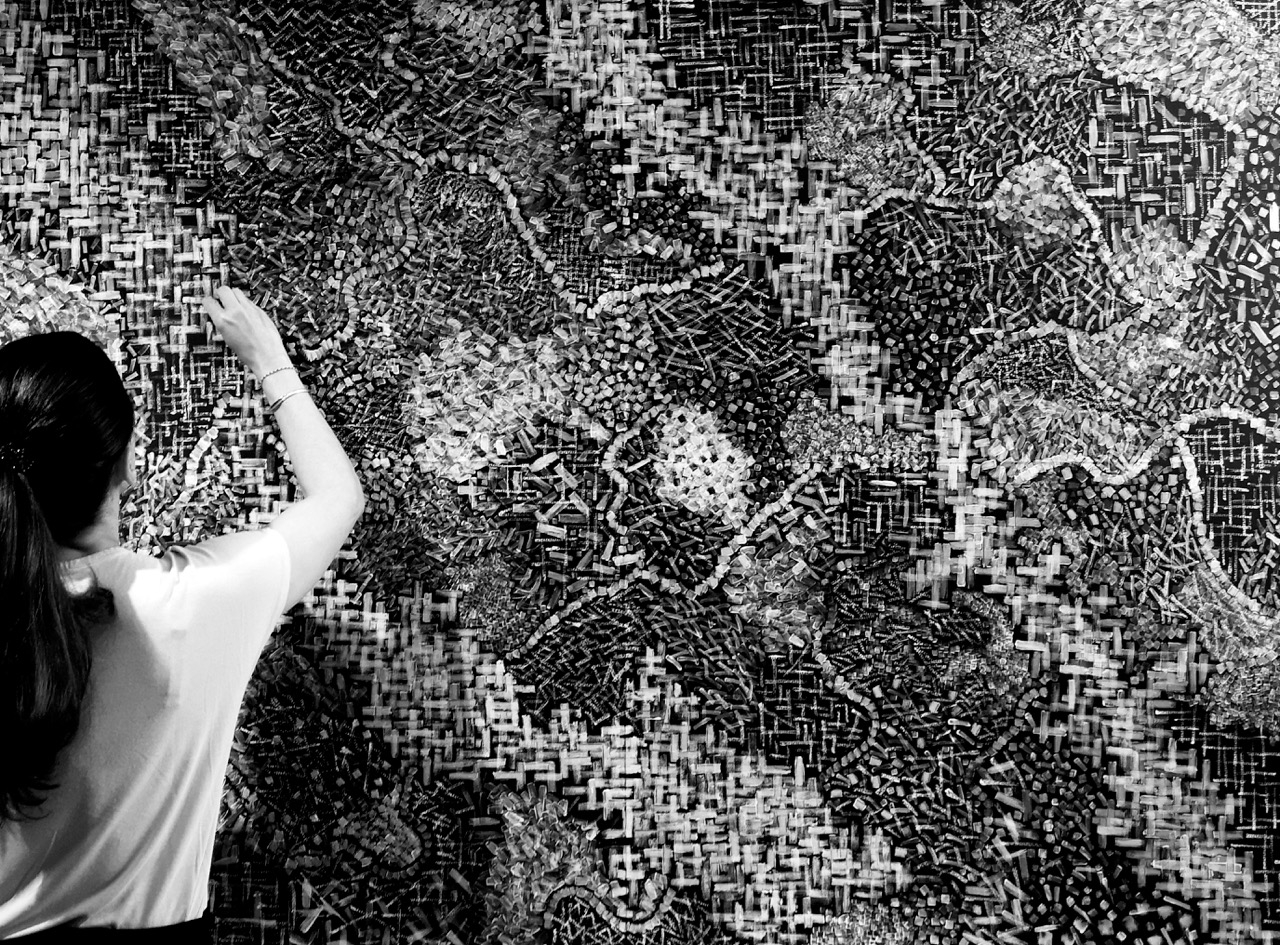
The textures and imprints of these elements shape rhythmic, organic surfaces filled with repetitive traces.
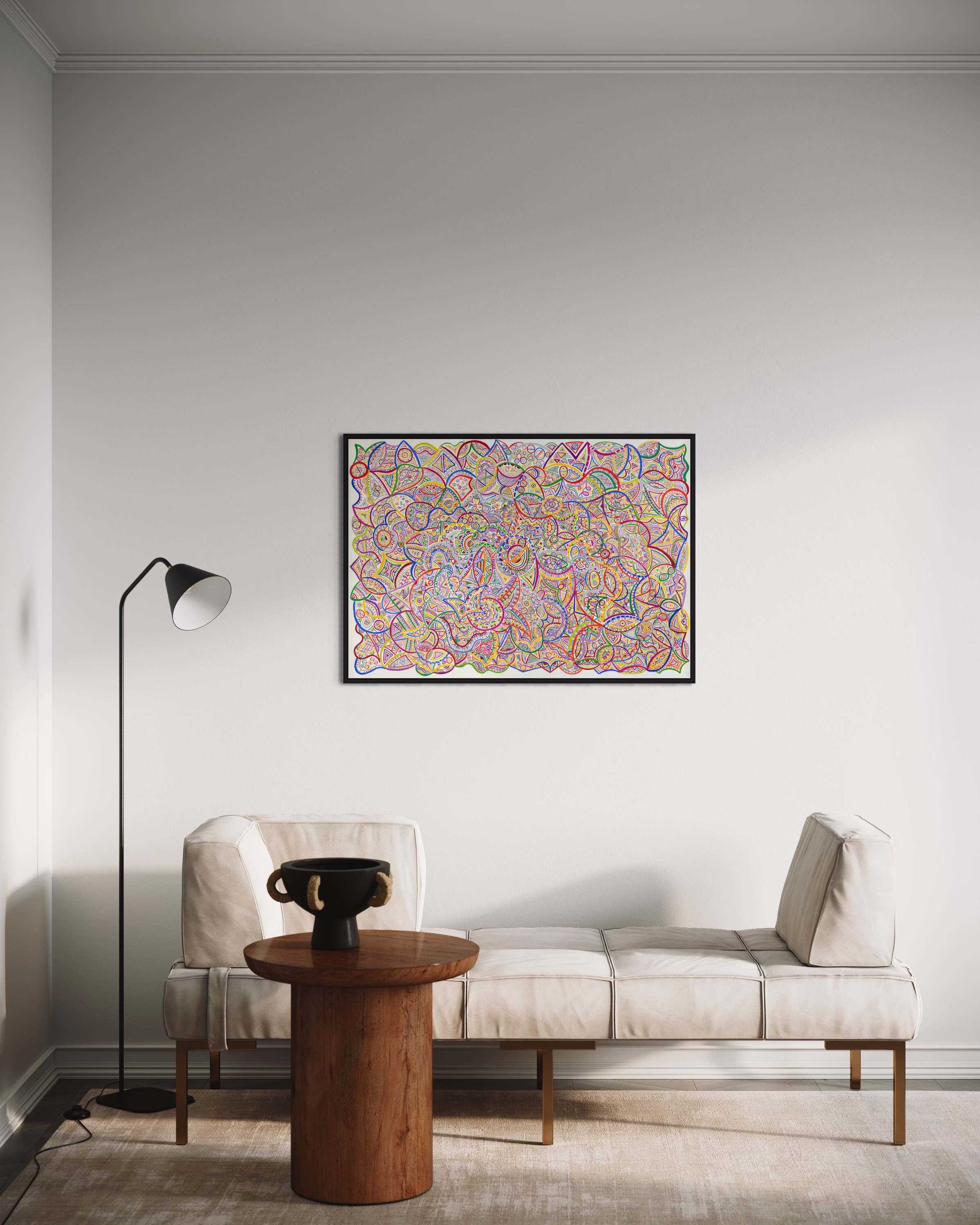
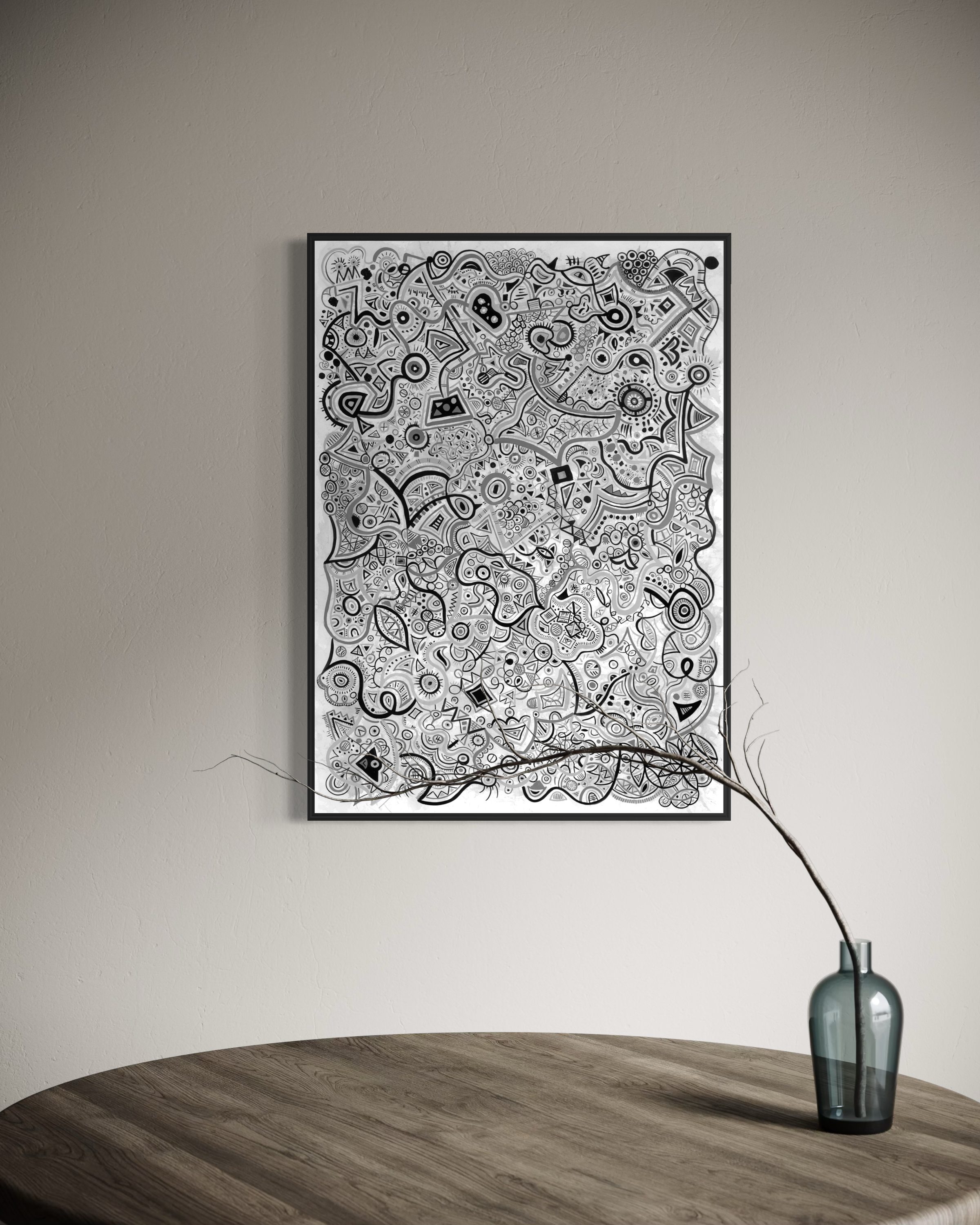
I paint as a way of realigning myself, of finding stillness and returning to my centre. It is a way of retreating and creating a world of my own, transforming emotions into images and abstract forms. These forms become labyrinths, webs, and networks of the psyche—sometimes monochromatic, sometimes saturated with colour -constantly searching for balance and for an “emergency exit” back into reality.
There is nothing particularly profound behind my work. Painting is simply my way of expressing and releasing, of confessing without words. It is my own personal code. Instead of language, I use colour, shape and gesture to construct and record my stories.
I work across different formats and scales, from small intimate pieces to larger surfaces. I primarily work on paper, but also on canvas, using brushes and gouache. I am drawn to the physicality of paint as it moves across the surface -to its texture, density, and the unpredictable traces that emerge through the process itself.
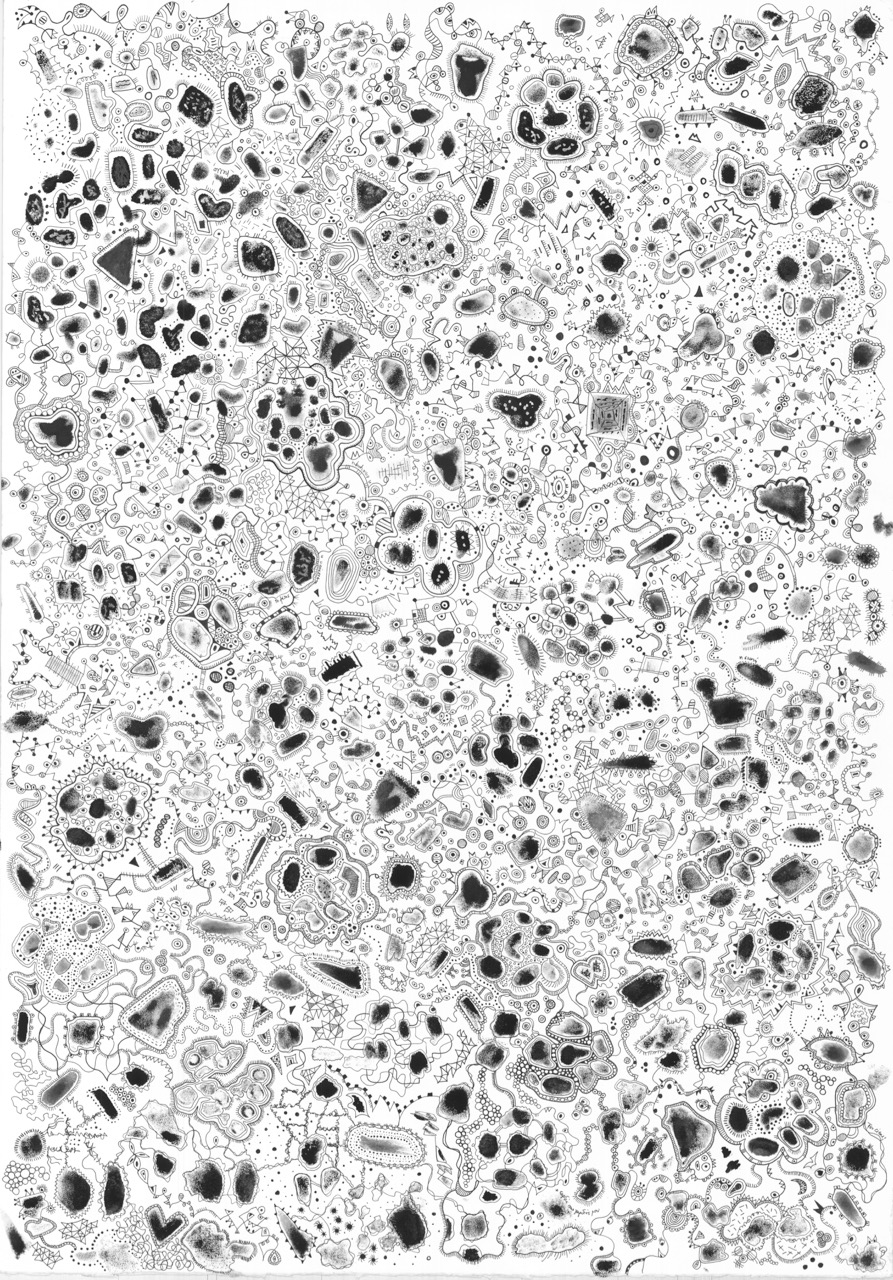
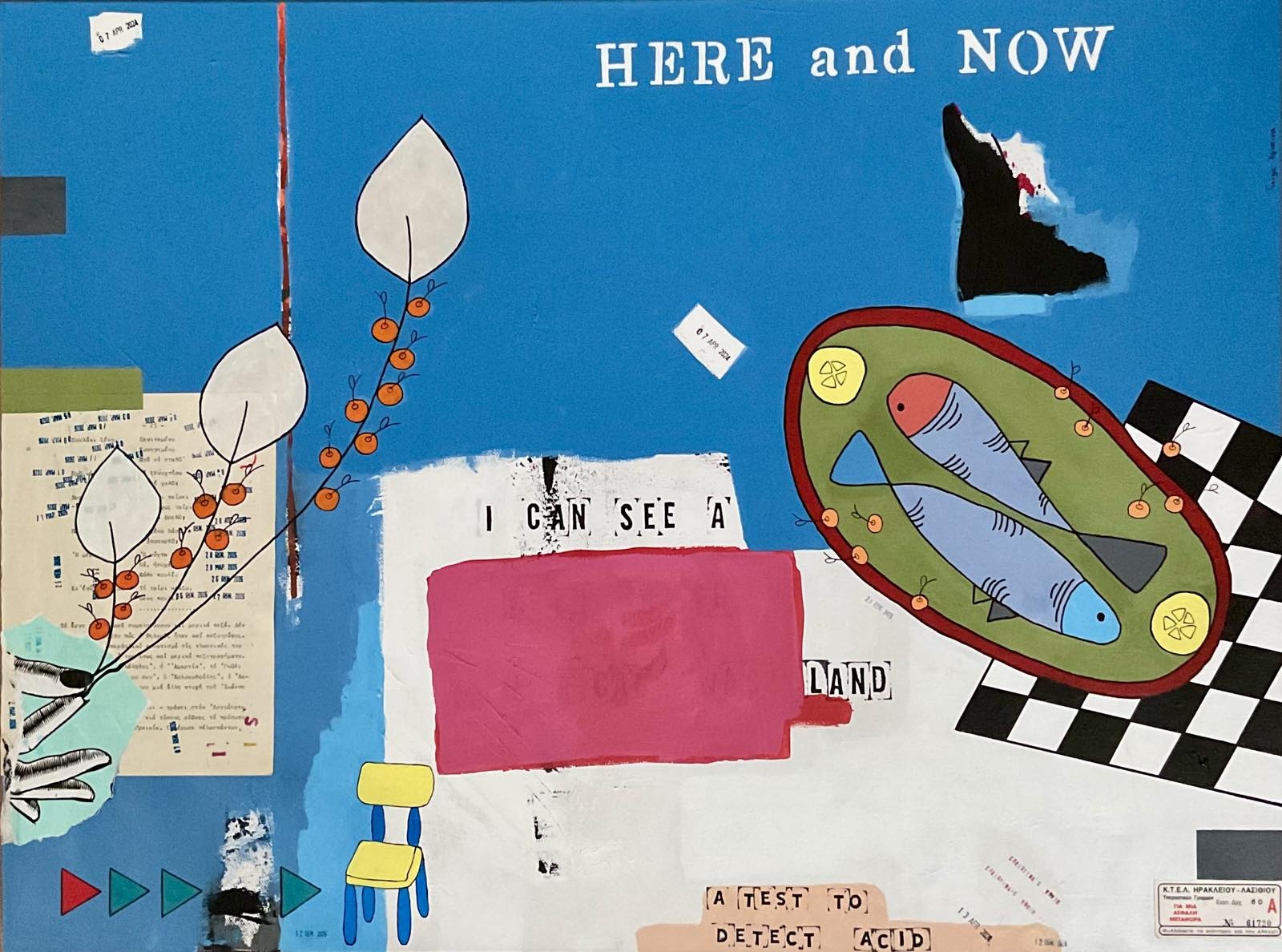
I enjoy experimenting with shifts in colour, background, size, and scale, while also concealing small faces, words and symbols within the compositions.
These elements often reveal themselves gradually, inviting a closer and more attentive reading of the work.
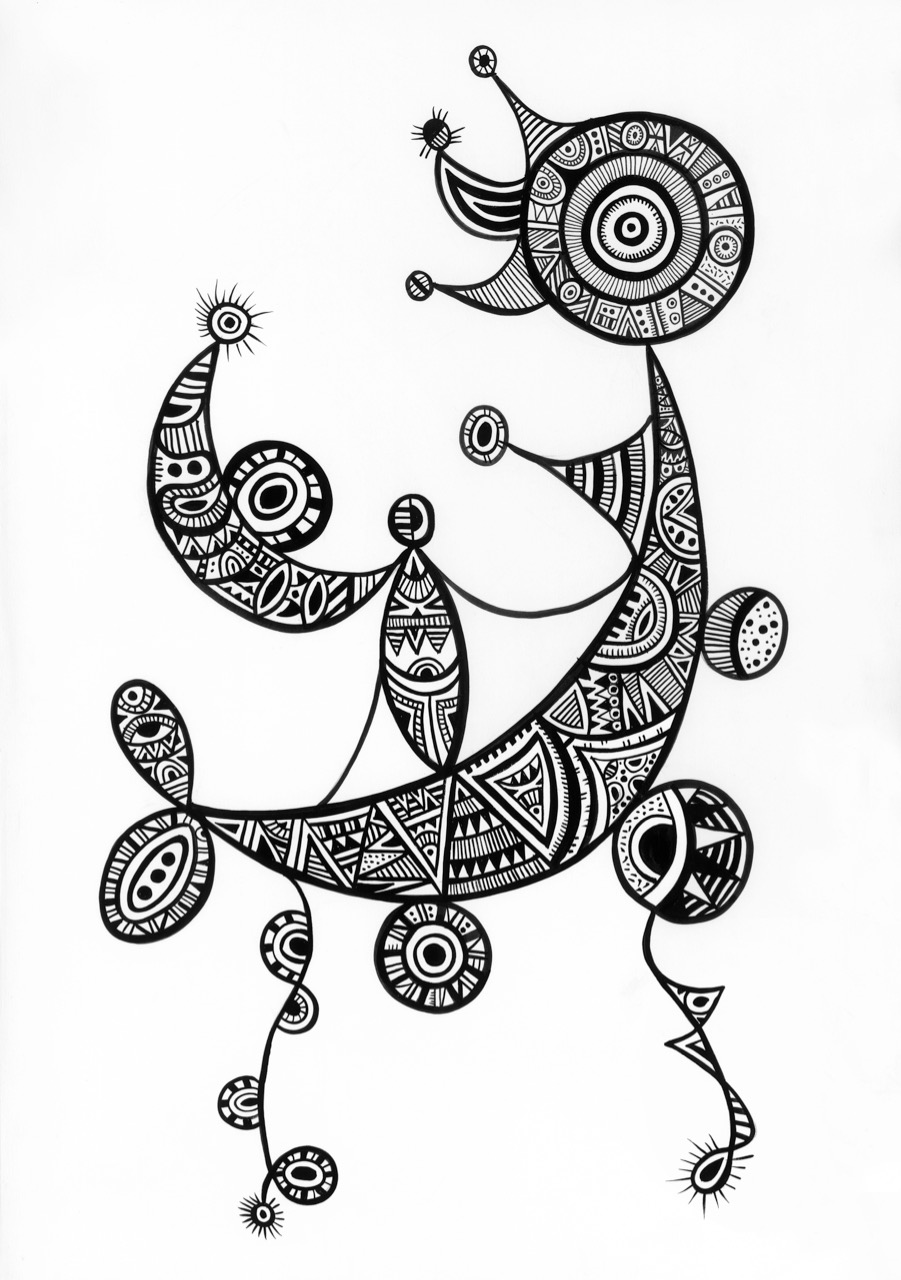
Repetition is central to my practice. Whether expressed through bold, gestural strokes, as in the “doodles,” or through accumulated traces and marks, as in “Gear,” the act of painting becomes rhythmic and almost meditative.
The hand moves with a certain autonomy, allowing the image to gradually unfold.
I am drawn to the fact that, when I step away from a work, I continue to think about it and feel the urge to return.
There is a particular sense of fulfilment in reaching the point where a work feels complete, even though there is no fixed formula for getting there. Equally important is the challenge of failure—the possibility of beginning again, trying differently, and finding success in the next work.
Often, before one painting is finished, I have already begun thinking about the next.''