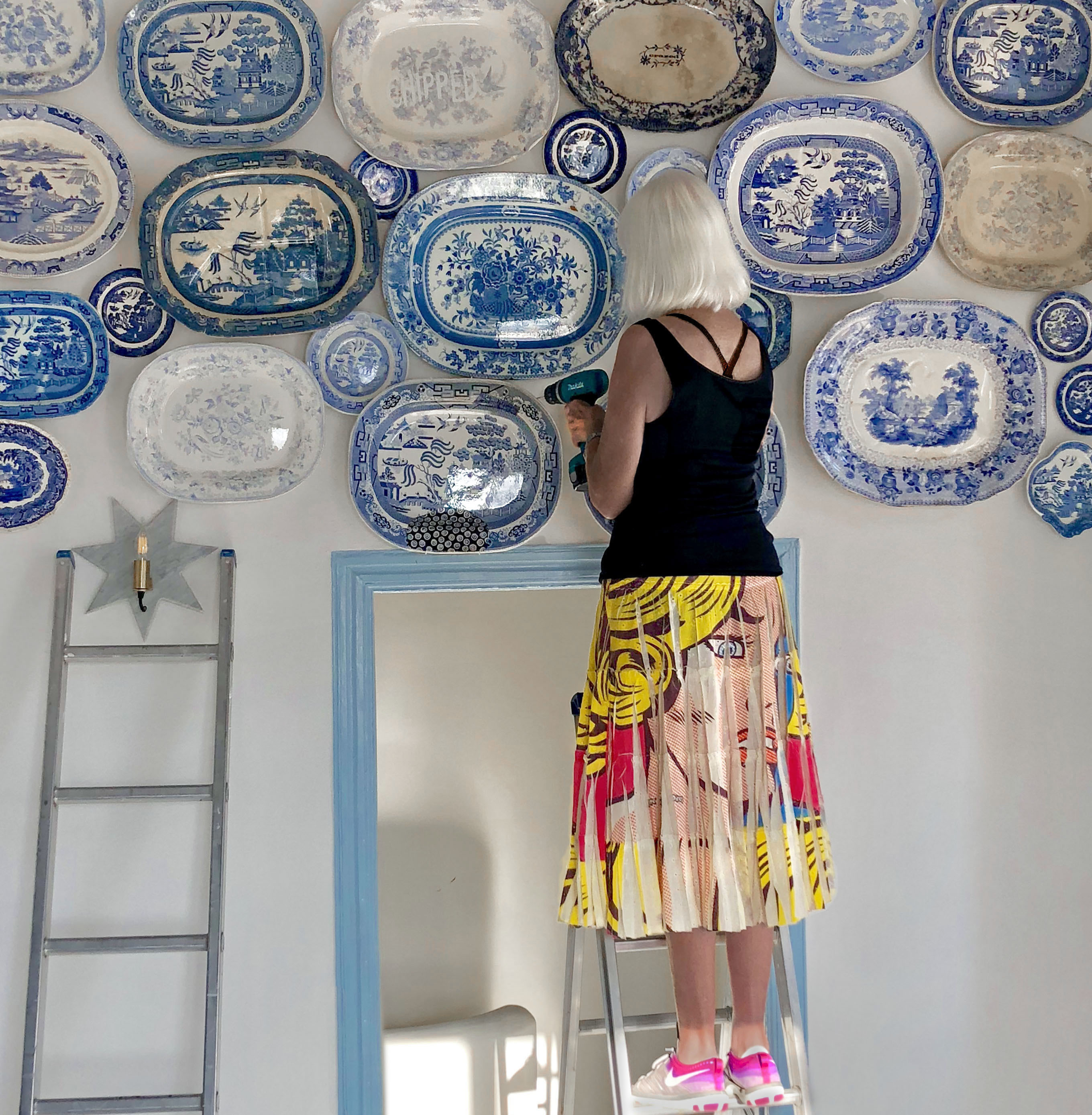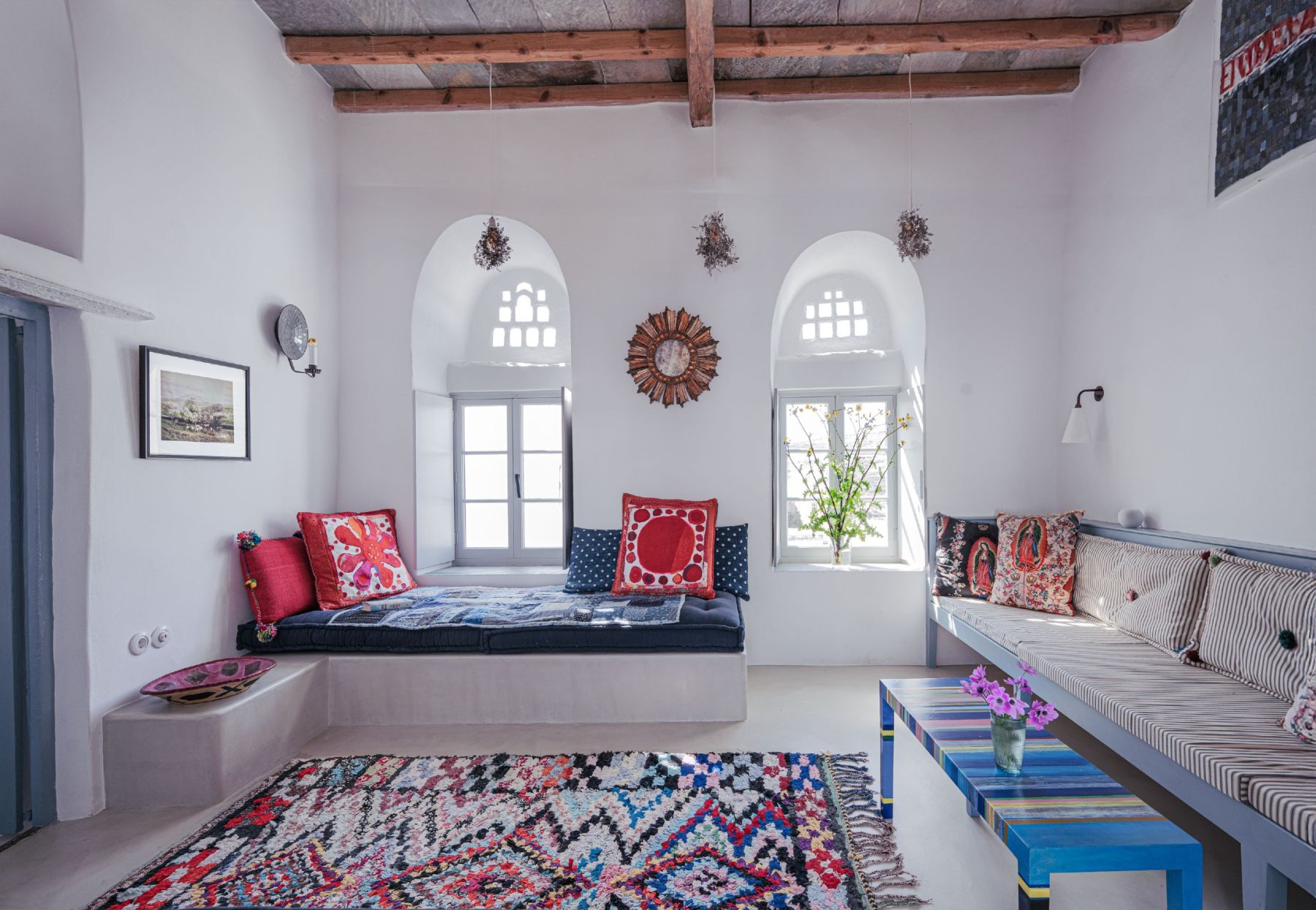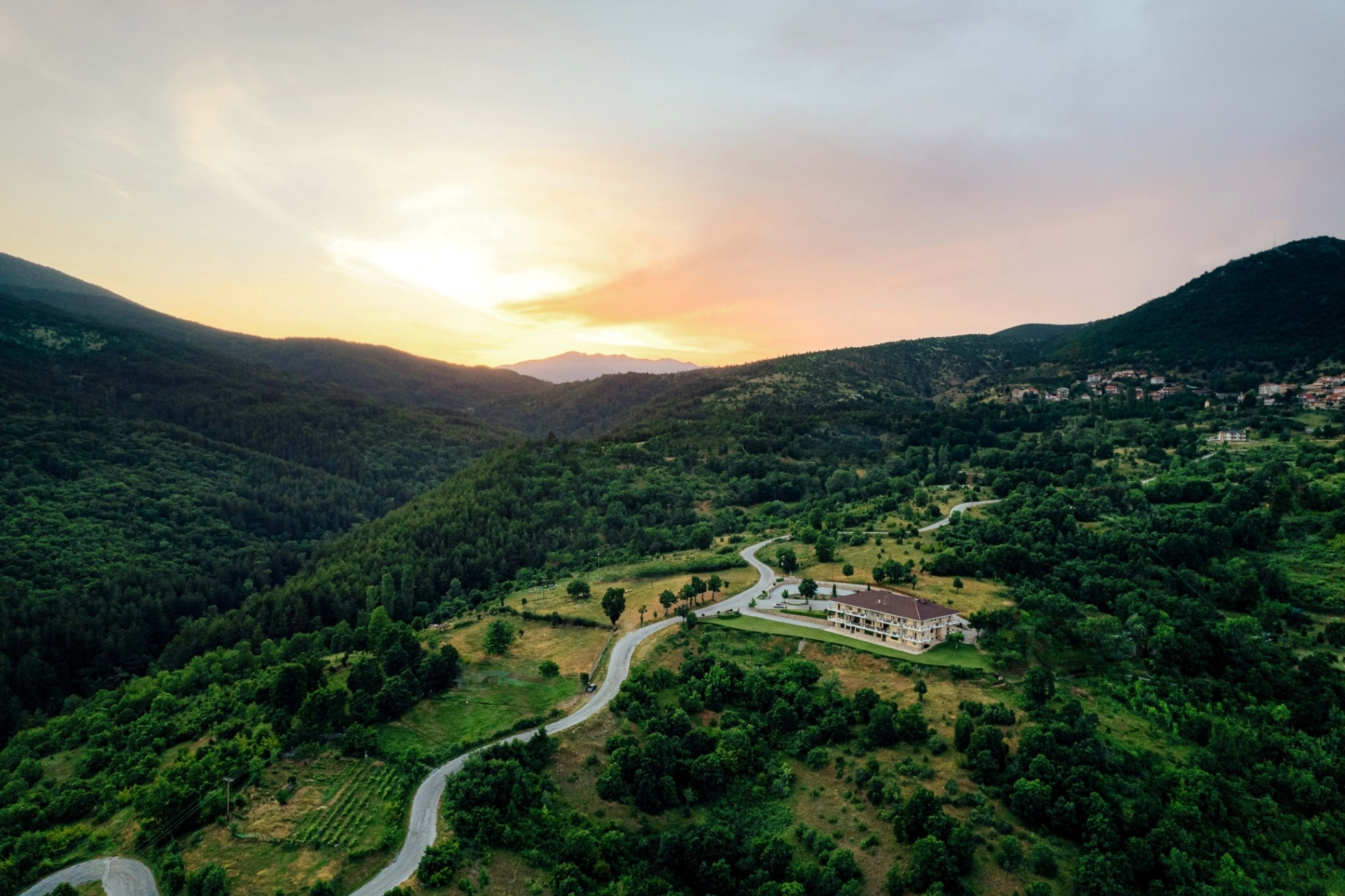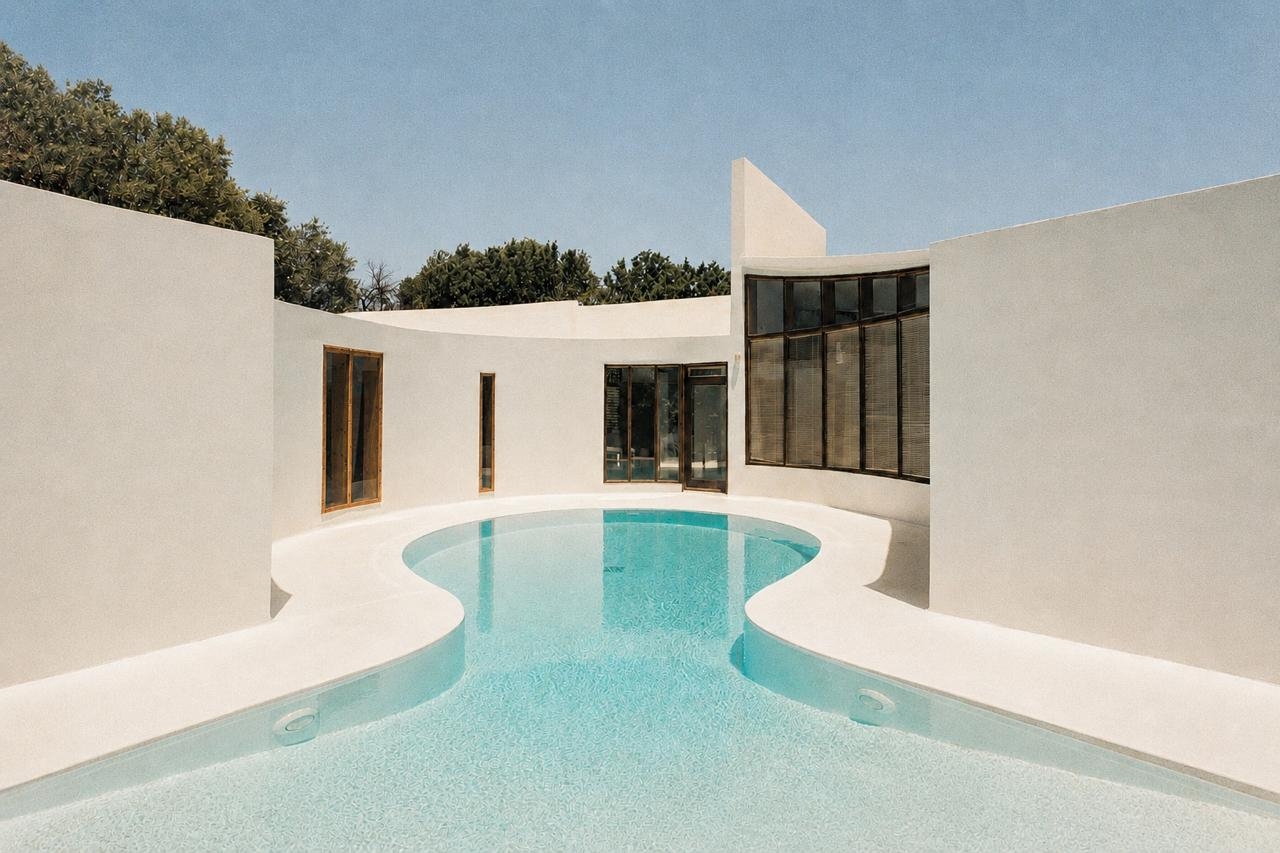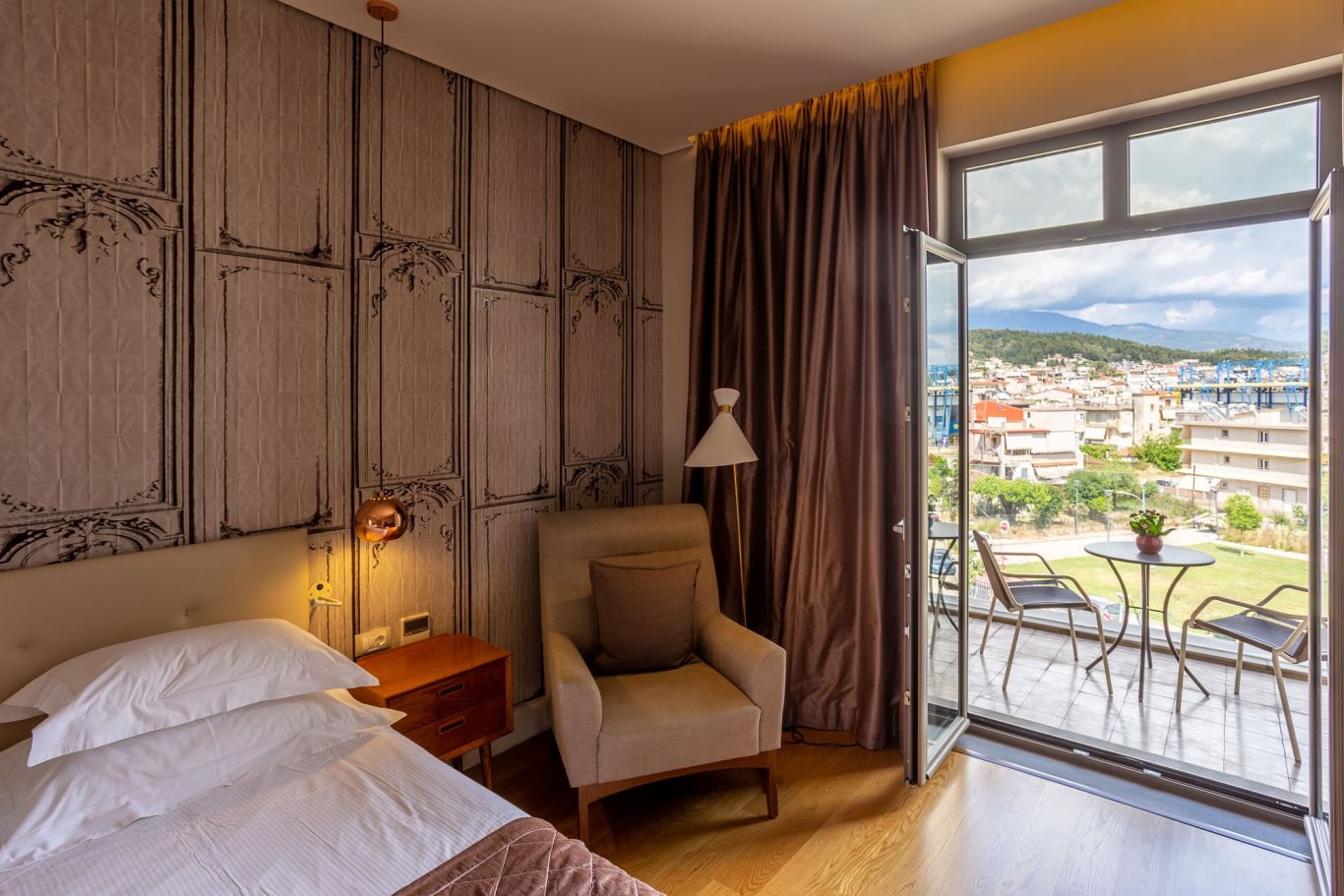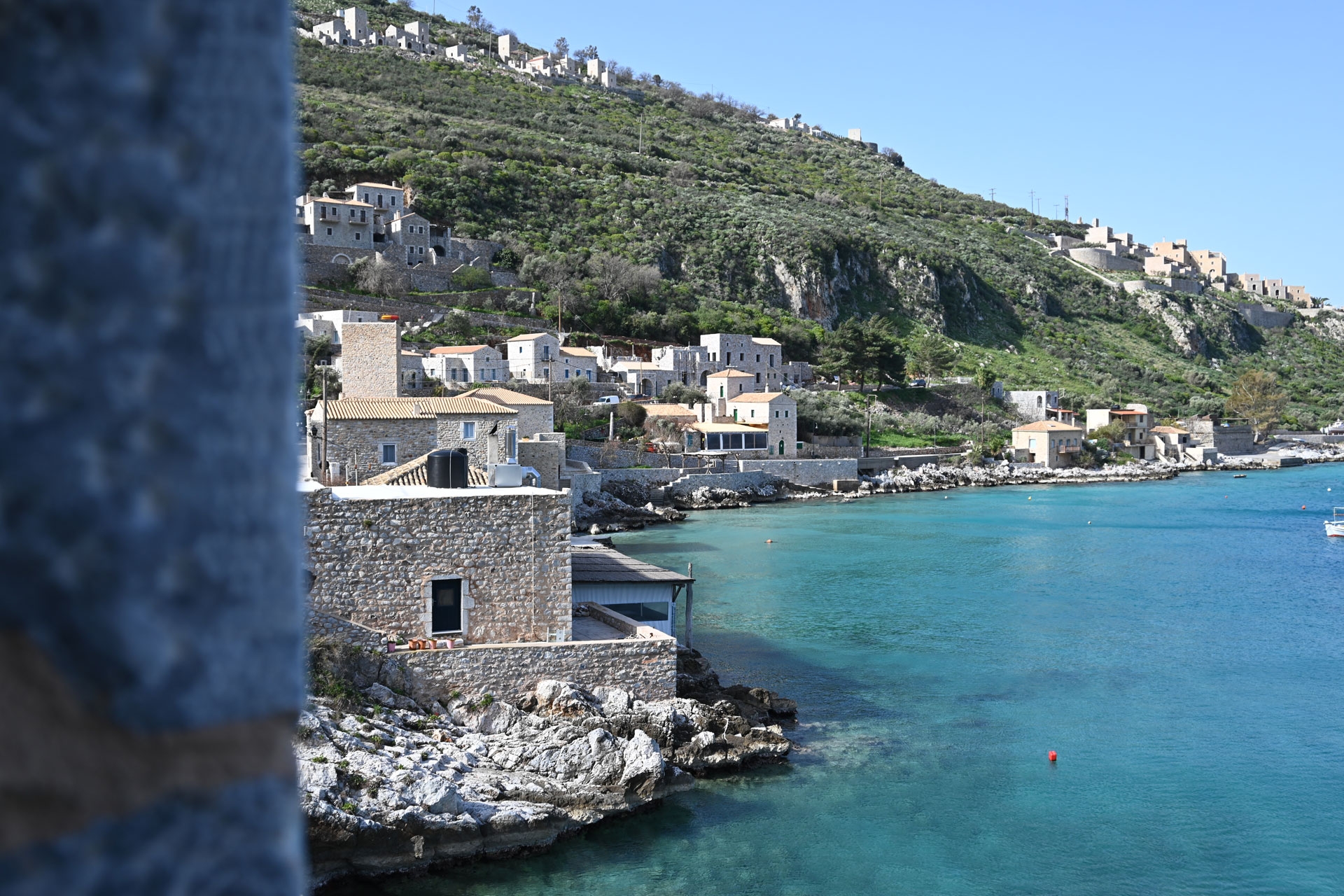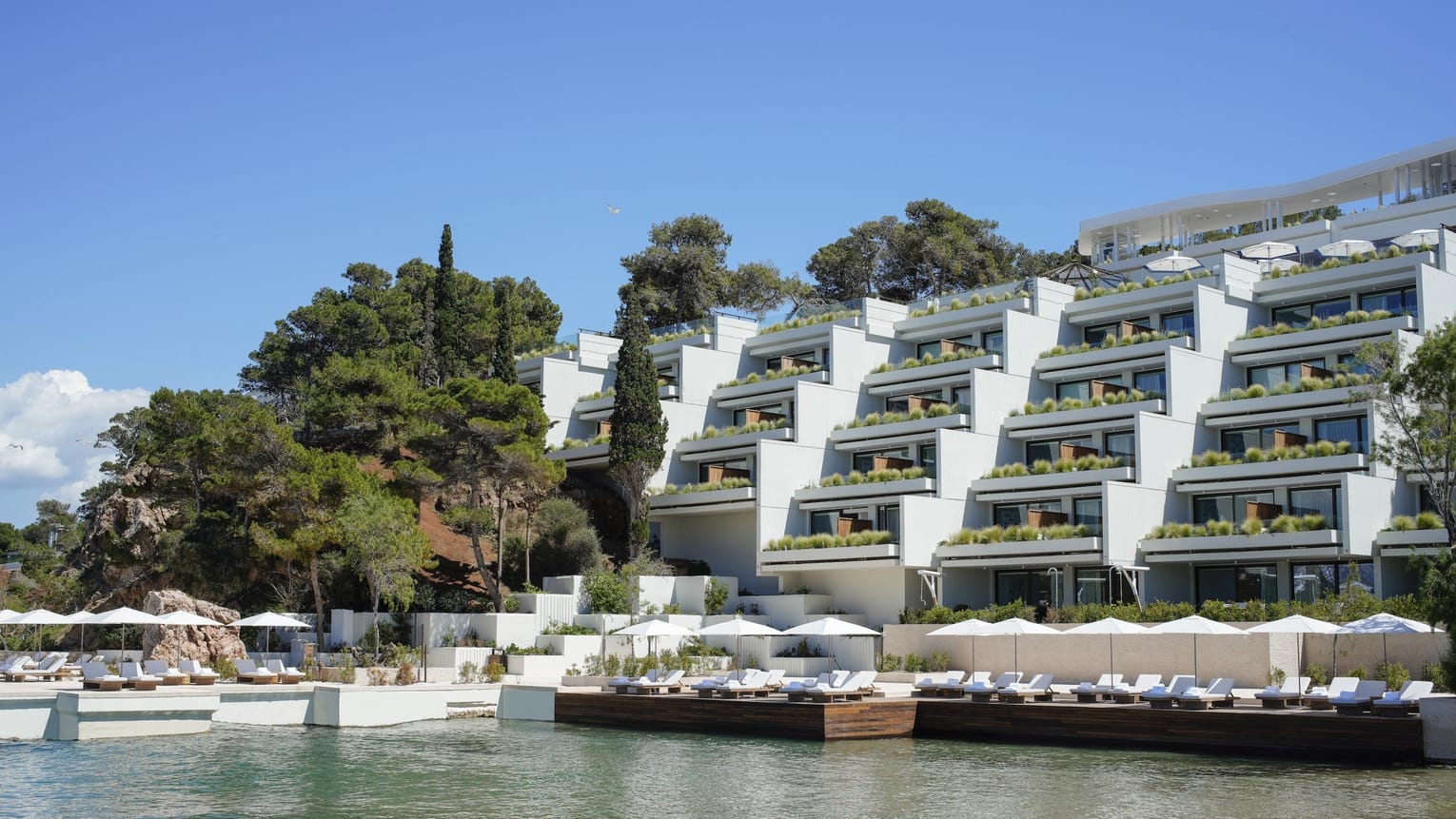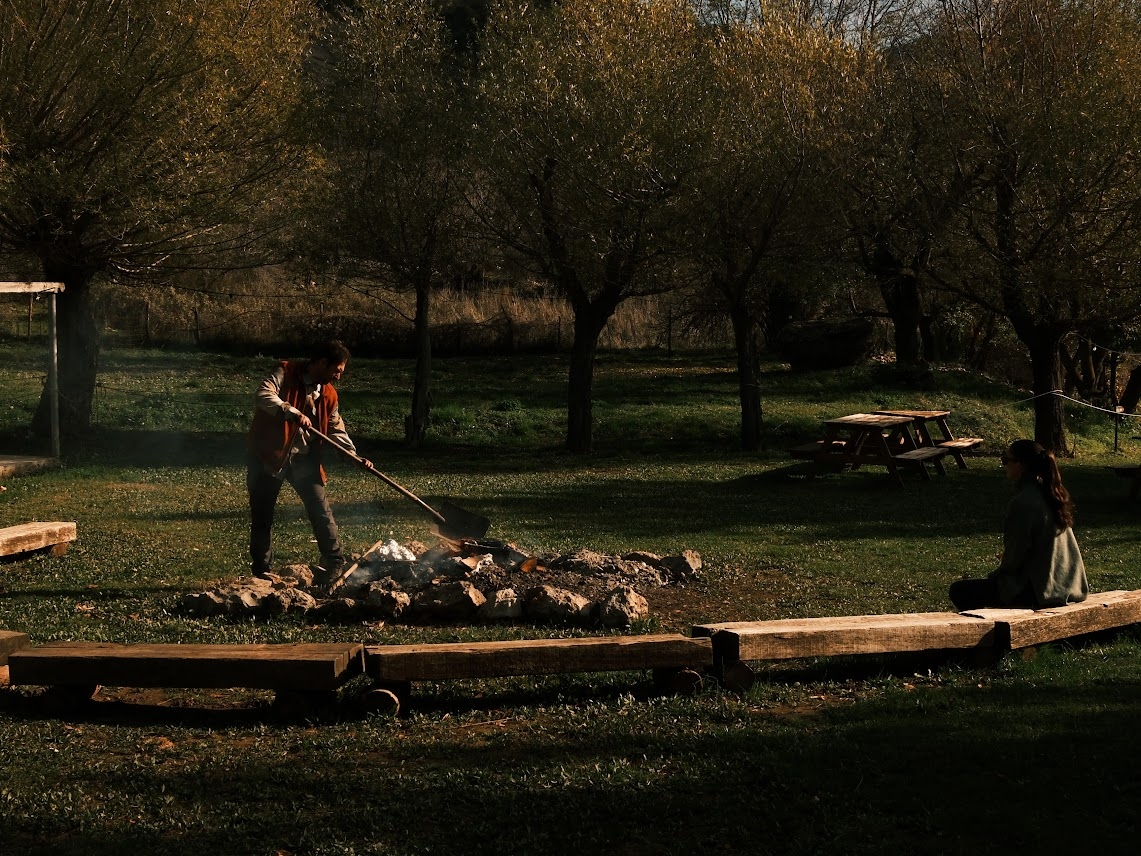
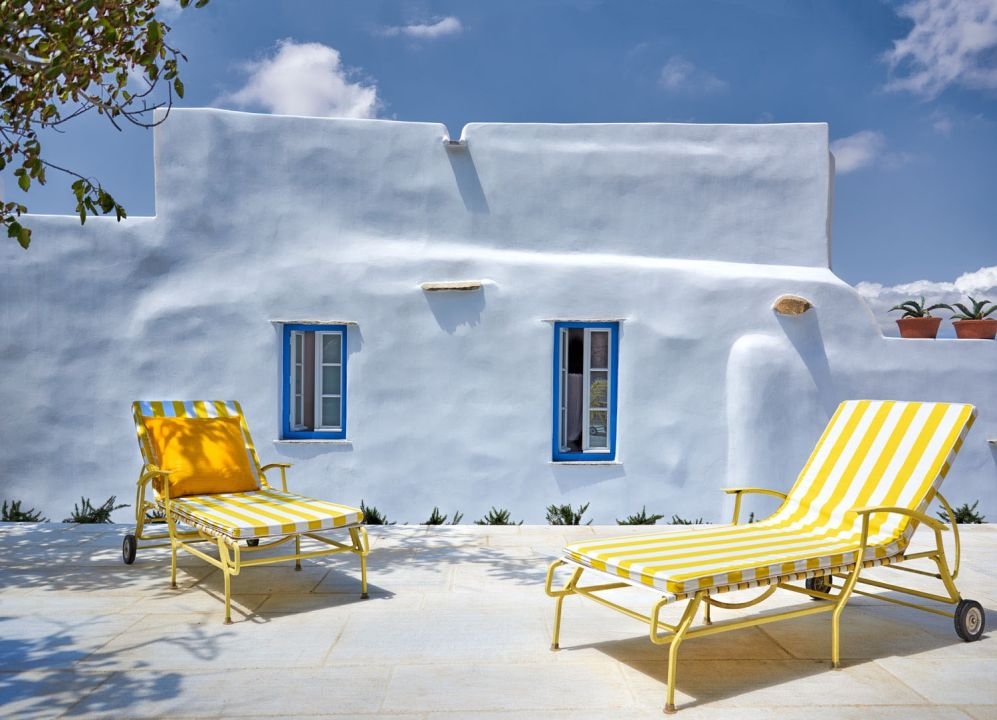
''A relaxed island home on beautiful Tinos, Xinara House is two ancient adjoining villas to book separately or together.
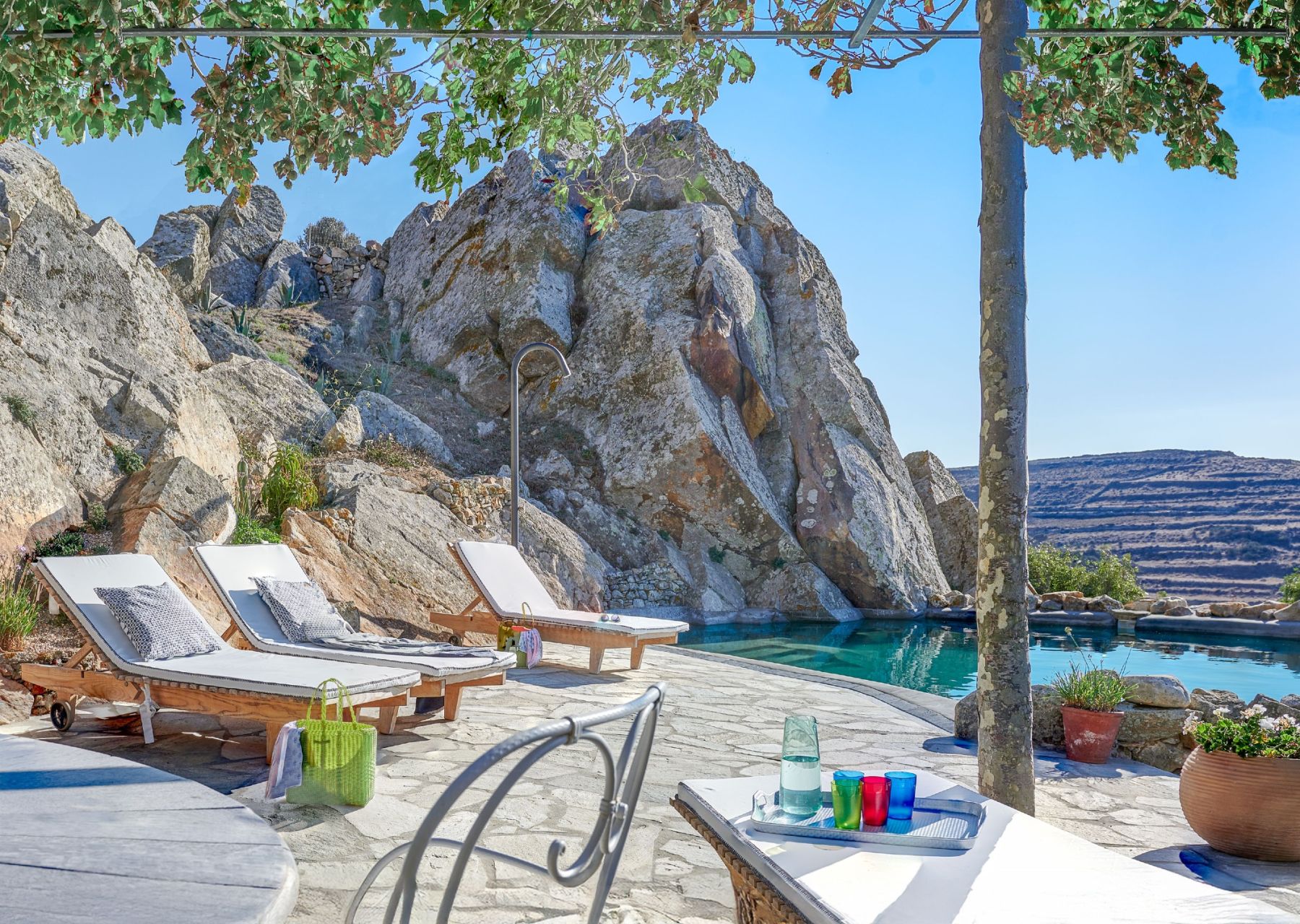
Susan & Peter Marston restored the historic houses in a dazzling setting beneath Exomvourgo mountain, and created extensive gardens with a pool and terraces.
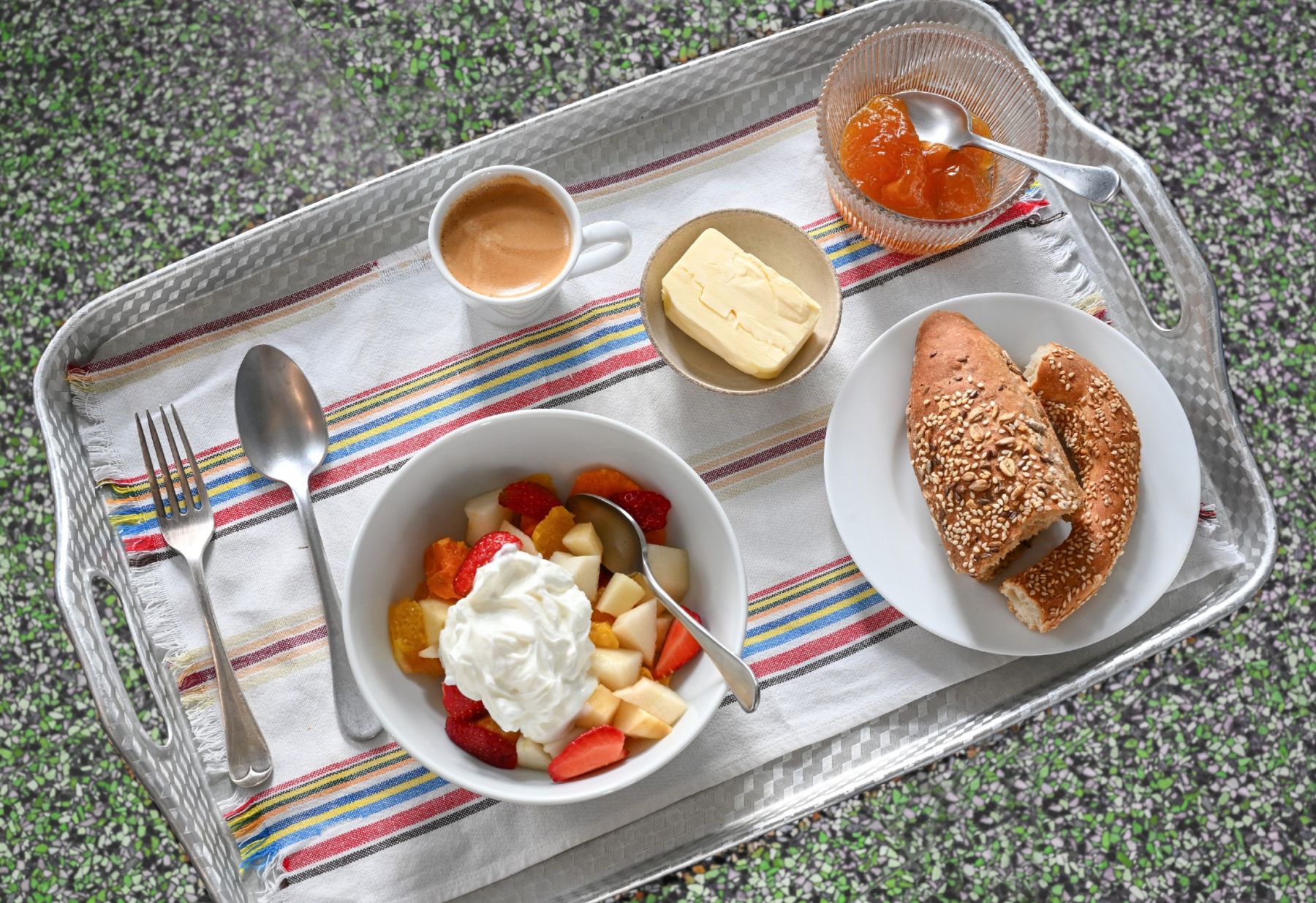
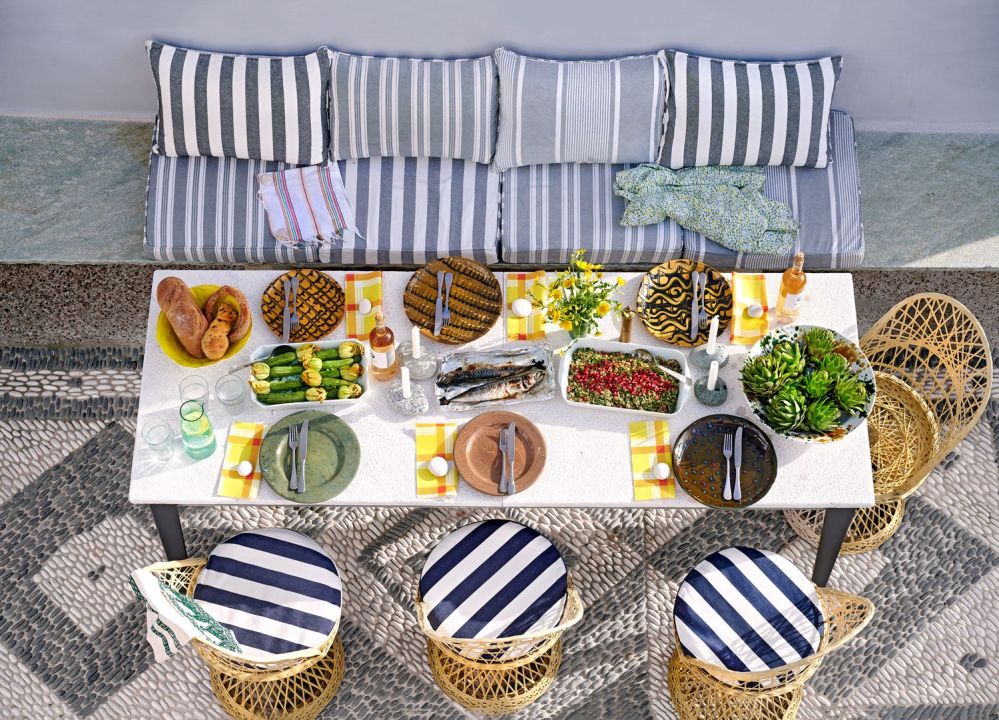
Laze in our pretty terraced gardens. Create outdoor meals with our organic vegetables & delicious local produce and wine. Enjoy family parties, or simply retreat to quietly read, swim, do yoga and pilates.
Visit exceptional nearby beaches and restaurants, hike Tinos’s ancient paths & villages and explore nearby islands.''
In the Cyclades, architecture is more than style; it is a way of living shaped by light, landscape, and time. Stone-built houses, marble details, white-washed walls, and quiet terraces reflect a tradition of simplicity and authenticity that has endured for centuries across the Aegean islands.
Rooted in craftsmanship and respect for nature, Cycladic spaces are designed to exist in harmony with their surroundings. Local materials, handmade elements, and open-air living create environments that feel timeless, calm, and deeply human.
Every path, courtyard, and shaded terrace invites a slower rhythm of life, one connected to the sea, the mountains, the changing light, and the seasons.
Equally important is the spirit of hospitality that defines island life. Genuine, warm, and unpretentious, it is expressed through shared meals, meaningful conversations, and a sense of belonging that turns visitors into friends. Here, luxury is found not in excess, but in simplicity, silence, beauty, and the freedom to slow down.
In a fast-moving world, the Cycladic way of living offers something increasingly rare: space to breathe, reconnect, and experience life more consciously and more fully.
The Story
Several years ago London-based Peter and Susan Marston chanced on Tinos Island waiting for a delayed flight at Mykonos. They were curious; travelling the Aegean for years no one had spoken of the beautiful quiet island nearby.
Charmed, they viewed impossible ruined houses, then spotted an old mansion in a pretty village, sadly neglected, sheltered beneath a beautiful mountain. It was love at first sight. People said it was the old Bishop's house, unoccupied for decades, and there were 17 shared owners. A year later, somehow, miraculously, the Marstons owned it and work began. And, equally miraculously a year later it opened for visitors. It had become a passion for Peter and Susan, designing, making and creating for the project. Local Tinos people helped and many new friends were made.
Reconstruction
The buildings date from the 18th century. In the 1820s Xinara House was the home of the Cyclades Bishop, Ioannes Kollaros (the house bears his coat of arms).
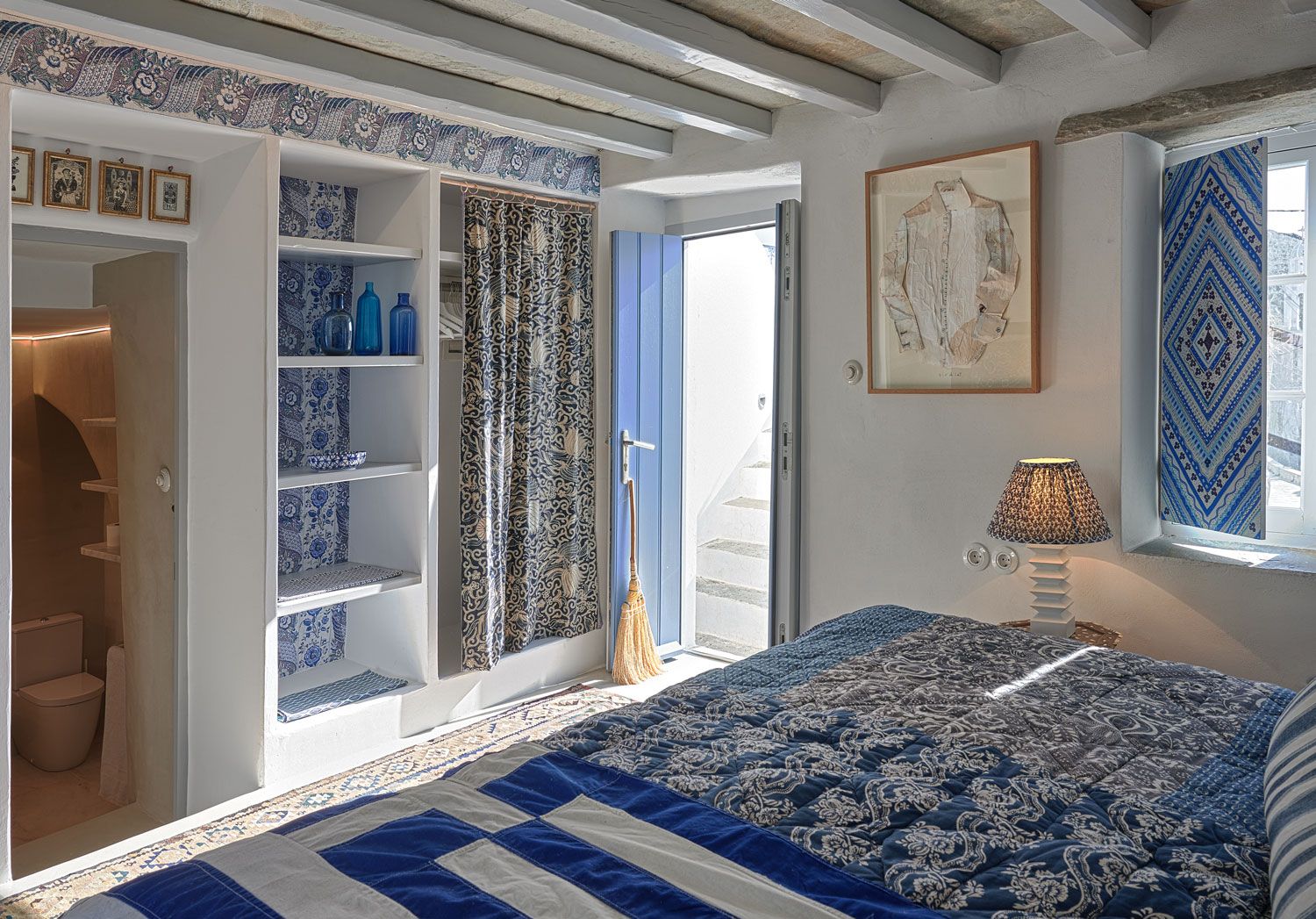
Meticulous restoration was essential, and fortunately Tinos retains marble quarries and exceptionally skilled workers who made the floors, tables and even solid-marble basins for the bathrooms and kitchen.
Traditional island pebble-patterns were laid on the terrace (below). The exterior is repainted with natural lime-wash to which is added 'loulaki', old-fashioned laundry blue, in time-honoured fashion. Inside it is refreshed, comfortable and full of light.
The project was supported by the EU, and won The Greek Villa Awards for its 'philosophy, aesthetics and services'.
Gardens
Outside on the rebuilt stone terraces stepping up toward the mountain are ancient mulberries (silk was produced at the house), cedars, walnuts, almonds and fruit trees.
A vineyard has been planted to produce rosé starting in 2026, and new vegetable gardens stock the kitchens.
Several sheltered sun terraces have been created, and a beautiful wild garden of Mediterranean species is now established on the uppermost terraces, where old tracks lead off around the island.
Environment
Tourism inevitably impacts local communities and the wider environment, so from the start our challenge has been to minimise Xinara House’s effect on these.
First was finding a new use for an existing, abandoned buildings rather than building new.
We insulated, fitted low-energy heat-exchangers for cooling and heating, our power is with green electricity, and we collect rainwater. A clean mountain spring supplies the taps, we grow organic produce, and minimise single-use plastics.
Our lighting is entirely LED. Last but not least, we support local employees.
(Thank you Peter Marston for the positive vibes!)