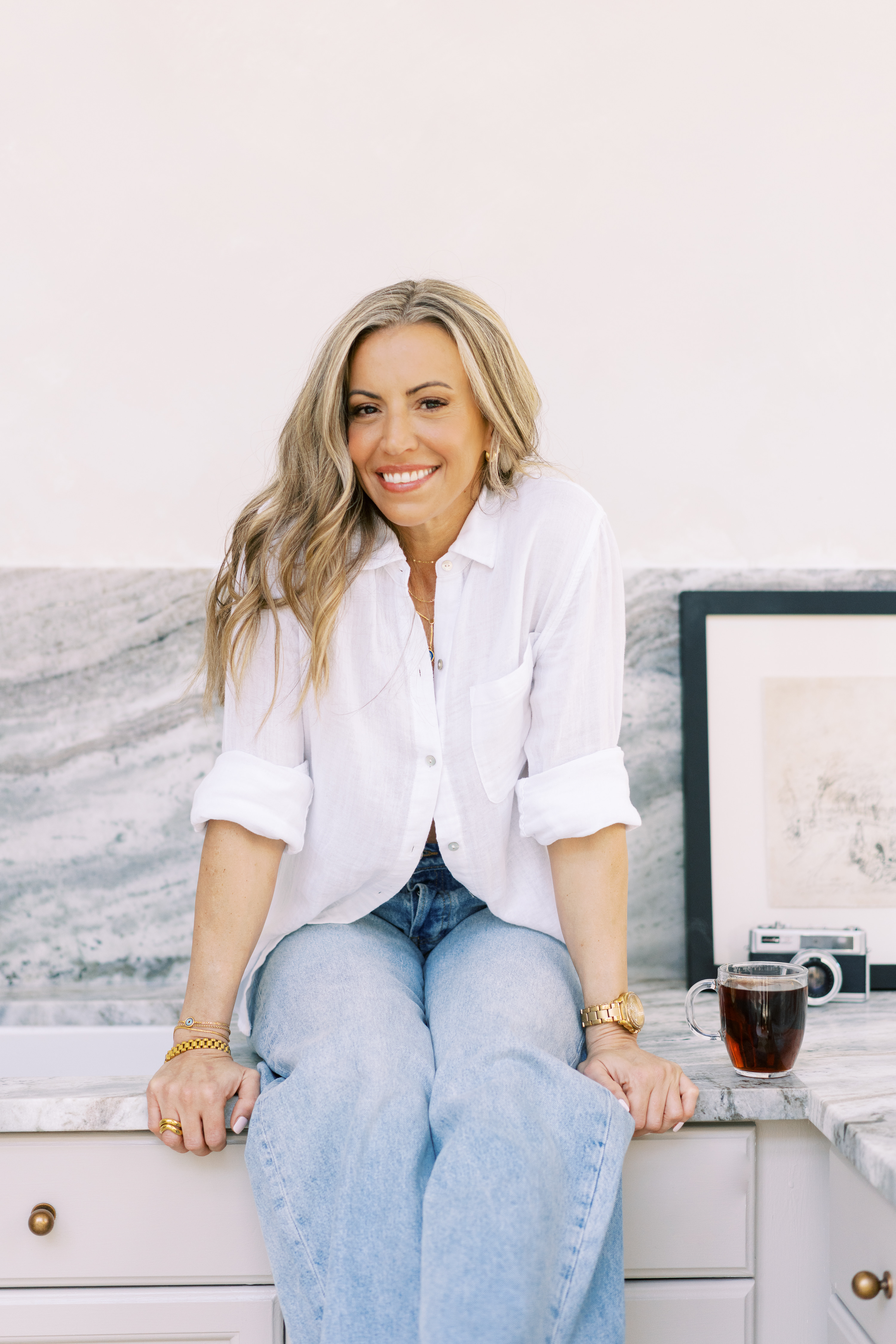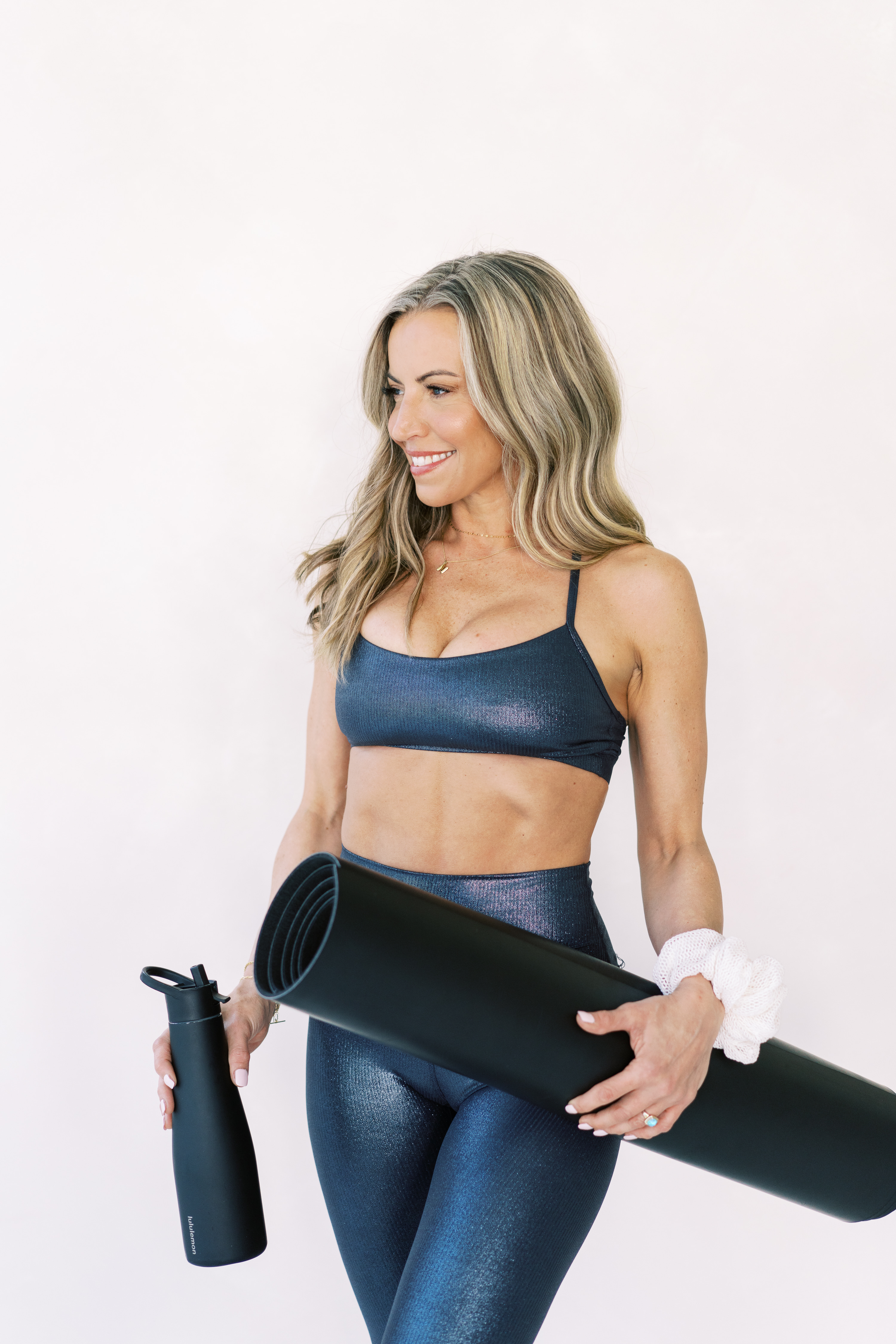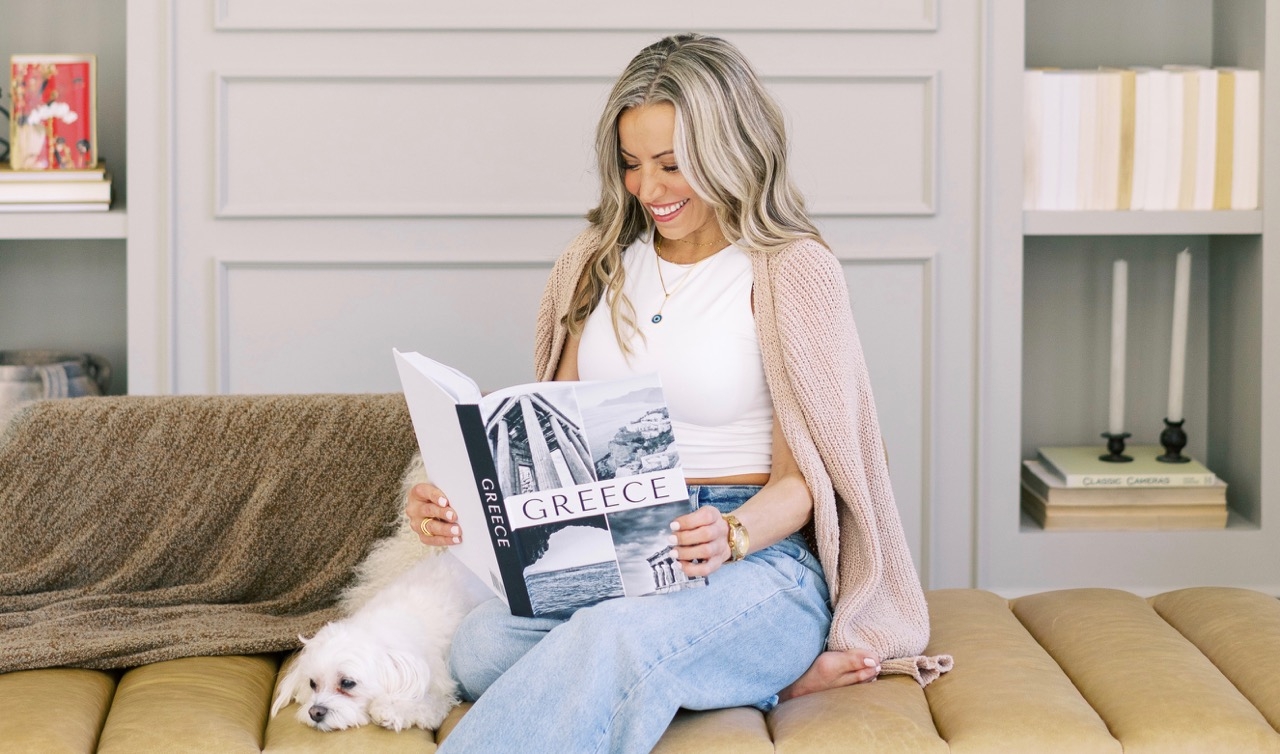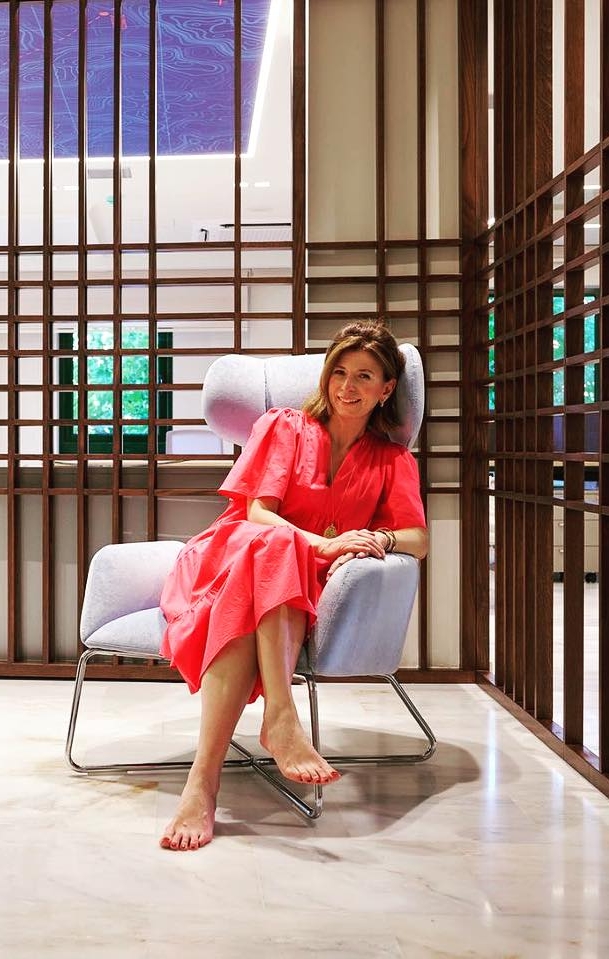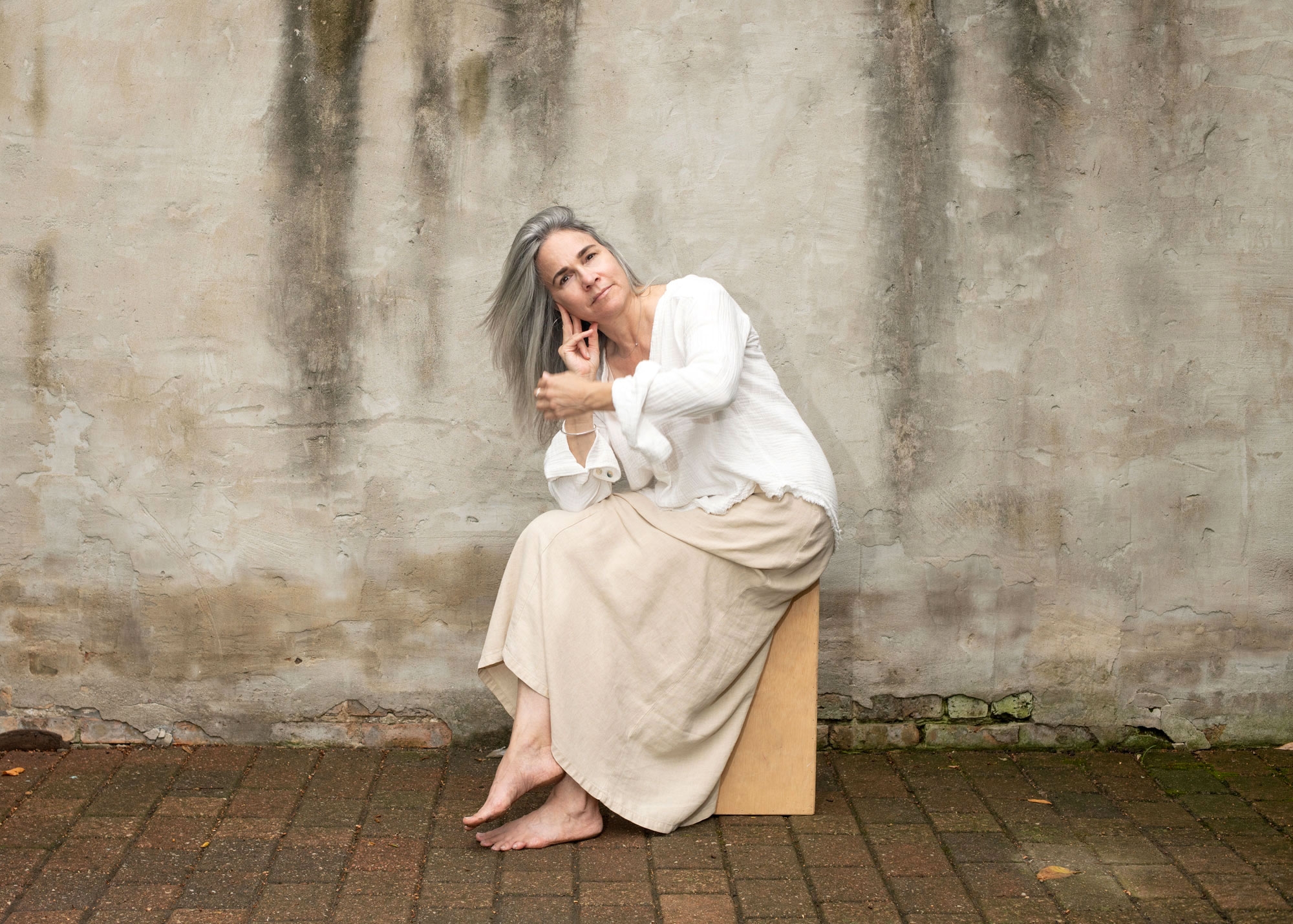
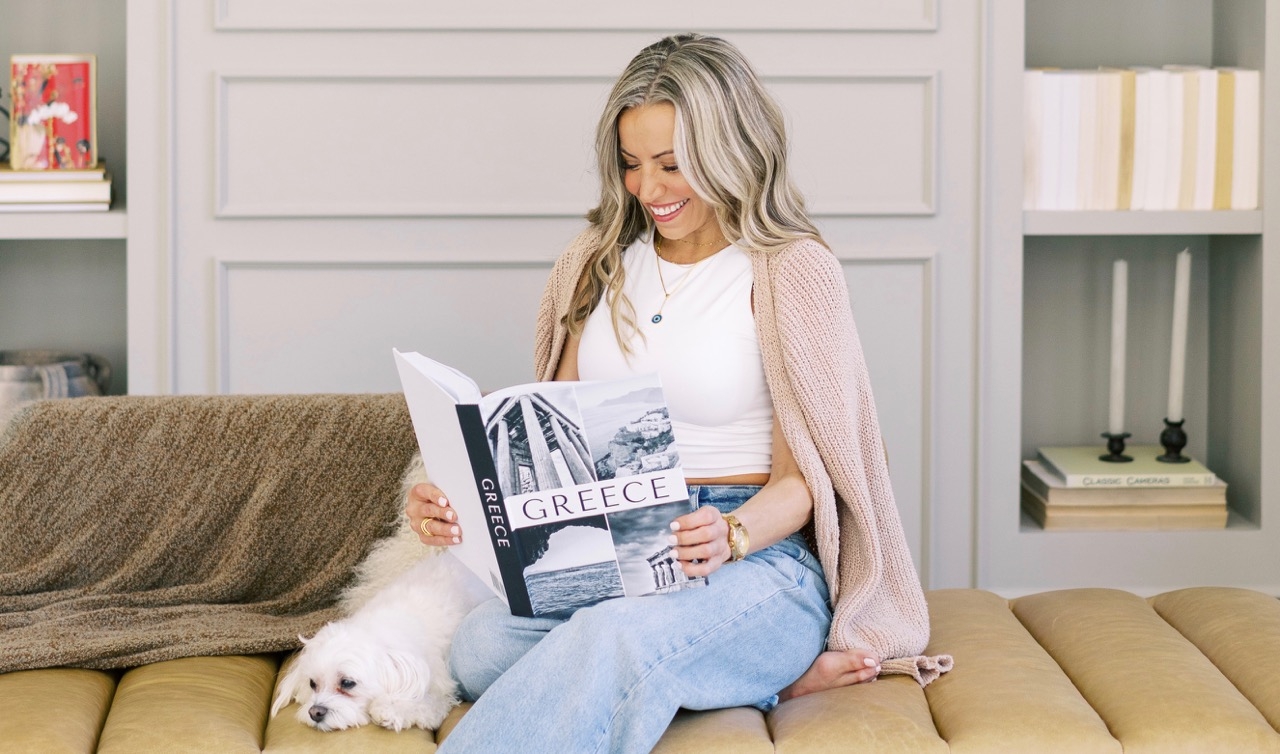
From Chicago to Chania, Nicole Shubalis shares a deeply personal journey of rediscovering her Greek roots and rebuilding life with intention. Raised with family ties to Ioannina and Patras, she found more than heritage in Crete, she found belonging.
Through food, slow living, yoga, and everyday moments in the streets of Chania, Nicole describes how the island transformed her understanding of home, identity, and presence.
Her story is not only about returning to Greece, but about creating a new life shaped by simplicity, connection, and the quiet wisdom of Crete.
You grew up in Chicago with Greek roots from Ioannina and Patras. When did those roots first feel like more than just heritage, and start pulling you toward Greece in a deeper way?
For most of my life, my Greek roots felt like something I had rather than something I was, the food at family gatherings, the names, the church on Sundays, the stories passed down. They lived in my imagination more than in my experience.
That changed when I came to Crete for my 40th birthday with my family. While everyone else relaxed, I kept slipping away to wander the streets of Chania alone, completely enchanted by the history, the architecture, the way the light fell on the harbor in the late afternoon.
By the end of that trip, I had made it my mission to make this place home. The moment I got back to Chicago, I hired a lawyer and started the citizenship process.
The two summers that followed, I returned solo. And it was on that second trip back, hiking the Samaria Gorge, that everything cracked open. Somewhere along that trail, surrounded by those towering walls of stone, I was overcome with the strangest, most powerful feeling, like I had walked this path before. Tears came out of nowhere. It wasn’t sadness, it wasn’t even joy exactly. It was recognition. Some part of me, older than this lifetime maybe, knew this land. That was the awakening. From that moment on, there was no question, I wasn’t choosing Crete. Crete had already chosen me.
What did Crete give you emotionally or spiritually that you didn’t realize you were missing before you arrived?
Permission to slow down. I didn’t know I was missing it until I felt it. Back in Chicago, I was always moving, building a business, running a kitchen, producing, executing, next-ing. There was no room for stillness, and I’d convinced myself I didn’t need it. Crete called my bluff.
There’s a depth here, in the mountains, in the sea, in the way people look you in the eyes when they speak. that asks you to be present. It taught me that sitting with a coffee for two hours isn’t wasted time, it’s the whole point.
The land itself has been holding wisdom for thousands of years, and somehow, just by being on it, you start absorbing some of that quiet knowing. I didn’t realize how loud my life had been until Crete made it quiet.
Was there a specific moment when you realized, “this is home now,” rather than just a place you loved? What shifted inside you?
The mission to move here was set in motion years before I actually arrived, so by the time I landed with Bubba with my life packed into two suitcases, I already loved Crete deeply. But loving a place and being home in it are two different things.
The shift happened in the small, ordinary moments after the move, the ones I couldn’t have planned for.
One evening, I was walking Bubba through the Old Town, and a yiayia I’d seen a few times waved me over and pressed something into my hand from her basket. Just a smile, a nod, no big exchange. But the gesture said everything: of course you’re here, of course this is yours too.
That was when something inside me settled. Home stopped being the place I had fought so hard to get to and became the place that was quietly claiming me back.
What shifted was a sense of belonging without having to prove anything. I didn’t have to earn my place. I just had to keep showing up, and Chania kept showing up for me too.
How did your practices yoga, cooking, and your connection with animals evolve, as you transitioned from your life in the U.S. to your life in Crete?
Everything became less performative and more lived. My yoga used to be very studio-based, very structured — class times, mats, playlists. Here, it’s softer. I practice on my balcony in the morning light, or I take long walks that feel just as meditative.
Cooking transformed the most, which is funny because that was my entire career. I ran Le Koko Cuisine in Chicago for nearly 15 years, a personal chef & catering business, I was deep in food cost, margins, logistics, production.
I cooked from systems. In Crete, I cook from what’s in season, what the laiki has that day, what my neighbors press into my hands. The food here teaches you that simplicity is its own kind of richness, good olive oil, a tomato, fresh bread, that’s a meal.
As a chef, I thought I understood food. Crete taught me I’d been overcomplicating it.
And with animals, especially having Bubba here, I’ve noticed how integrated they are into daily life. Dogs and cats are part of the village. Bubba has more friends in the neighborhood than I do.
Moving countries often reshapes identity. What parts of your “Chicago self” did you hold onto, and what parts did you let go of?
I held onto my work ethic, my directness, and the way I love hard, those are very Midwestern things, and I’m proud of them. I held onto my eye for systems and execution, which serves me every day in what I’m building now. What I let go of was the urgency. The constant feeling that I had to be optimizing, achieving, climbing toward some next thing. I let go of the idea that busy equals worthy. I also let go of a certain kind of armor I didn’t realize I was wearing, that big-city sense of always being ready to defend your time, your space, your energy. Crete softened me without making me smaller.
You describe your life as one built around intention. Was that always the case, or did Crete teach you a different rhythm of living?
I always thought I was intentional, I had goals, I had plans, I had vision boards, but looking back, a lot of that was reactive, not intentional. I was responding to a culture that told me what I should want. Crete stripped that away.
When you live in a place where life is built around seasons, meals, family, and the sea, you start asking yourself what you actually want, not what you’ve been told to want. Intention here means choosing presence over productivity.
It means deciding that a slow morning is sacred. That’s a rhythm I’m still learning, but it’s the truest one I’ve ever known.
What unexpected challenges or doubts did you face during this transition?
The romanticized version of “moving to Greece” leaves a lot out, so I want to be honest about this. The bureaucracy is humbling. The language, even with Greek roots, is its own mountain to climb. There have been lonely stretches, when I see life back in the States moving on without me and I wonder if I made the right call. I’ve also rebuilt my entire income from scratch here, which is its own kind of mountain.
Going from running an established culinary business in Chicago to building a personal brand and digital business in a new country at 40+ is not for the faint of heart. There have been real moments of doubt about whether it will all come together.
But every time I come close to questioning it, Crete offers me something: a sunset, a conversation, a meal with strangers who became friends. The challenges don’t disappear. They just stop feeling like warnings and start feeling like part of the build.
Looking back, do you see your journey as a return to your roots, or as the creation of something entirely new? How do you define “home” now?
It’s both, and I think that’s the whole point. I returned to roots I didn’t fully know I had, and in doing so, I’m building a life that is entirely my own. Not a replica of my grandparents’ Greece. Not a continuation of my Chicago life. Something new growing from old soil.
Home, for me now, isn’t a place on a map. It’s the feeling of being recognized by a landscape, by a community, by myself. It’s Bubba asleep at my feet while the church bells ring. It’s the smell of bread from down the street. It’s the gorge that knew me before I knew it.
Whatever I build from here, a piece of Crete will always come with me, and a piece of me will always belong here.
(Thank you Nicole)